
When welcoming a newborn home, choosing the right bathing products is one of the first major decisions you will face. If you are considering QV Baby products, you are likely wondering whether they are approved by the Health Sciences Authority (HSA) in Singapore and if they are safe for daily use on your baby’s delicate skin.
The short answer is that while general cosmetic baby washes do not receive an individual “HSA approval” stamp in the same way prescription medicines do, legally imported QV Baby products are fully compliant with local regulatory notification requirements. Their safety for daily newborn baths depends on the specific product variant, proper usage, and your baby’s unique skin sensitivity.
Quick Answer: HSA Status and Newborn Suitability
In Singapore, the Health Sciences Authority (HSA) regulates cosmetic products, including baby washes and lotions, through a notification system rather than a formal pre-market approval process. This means that while the HSA does not issue an explicit “approval” certificate for standard baby cosmetics, the importer must notify the HSA before selling them locally. Therefore, whether a specific QV Baby product is suitable for your newborn depends heavily on the product variant you choose and the specific claims printed on its official packaging.
Products mentioned in this guide
![[Bundle of 3] QV Baby Gentle Wash 500g x 3](https://img.lazcdn.com/g/p/2cbd7ddaf7fd9b22191b7ff8ace9a414.jpg_400x400q80.jpg_.webp)
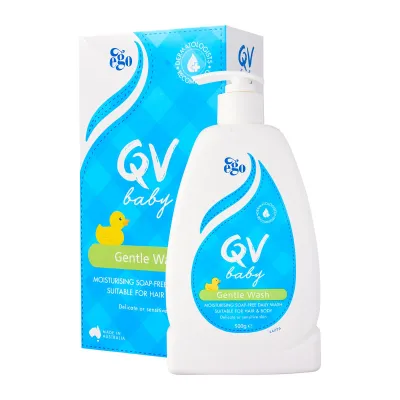
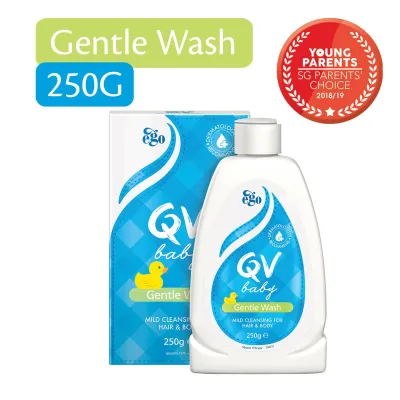
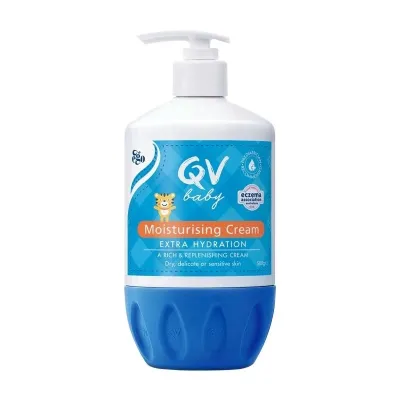
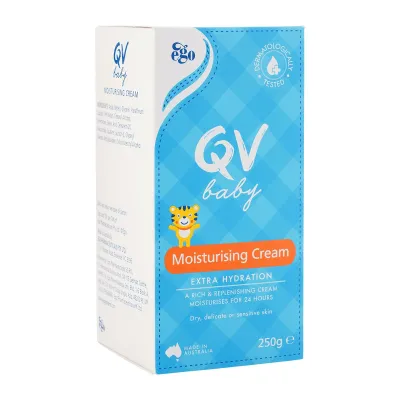
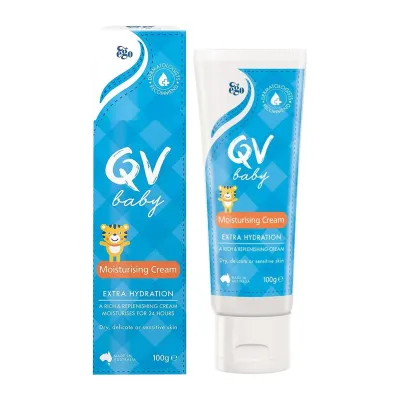
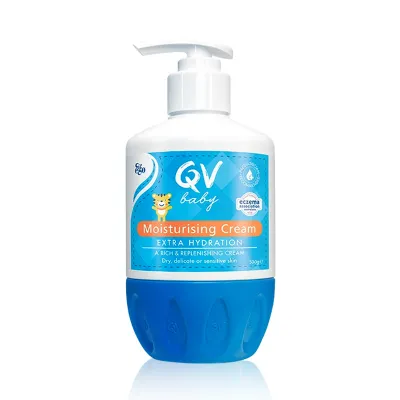
Prices are valid at publication and may change. Please refer to the product page for the latest price.
To determine if a particular bottle is safe for a newborn, you should always inspect the physical label or consult the manufacturer’s official local website. Look for clear age recommendations, such as “suitable for newborns” or “from birth.”
In the absence of a direct HSA registration mandate for general cosmetics, claims like “dermatologically tested,” “paediatrician approved,” or “soap-free” serve as your primary indicators of newborn suitability. These labels suggest that the formulation has been evaluated for mildness, but you must still verify the specific ingredients and instructions on the bottle to ensure they align with your baby’s skin needs.
When reviewing the packaging, pay close attention to the language used. A product labeled “suitable for sensitive skin” might still contain ingredients that are too strong for a newborn whose skin barrier is not yet fully developed. Newborn skin is significantly thinner than adult skin and loses moisture much faster. Therefore, look for explicit statements indicating the product is formulated specifically for infants from day one. If the packaging does not clearly state newborn suitability, it is safer to choose an alternative that does, or consult your paediatrician before application.
How to Verify HSA Approval for Baby Bath Products
Understanding how baby care products are regulated in Singapore helps you make safer purchasing decisions. The HSA categorizes topical products into different regulatory frameworks based on their intended use and active ingredients. General baby washes, shampoos, and daily moisturizers are classified as cosmetic products. These items do not require a pre-market evaluation or a visible HSA registration number on the packaging; instead, they require a product notification submitted by the local importer.

In contrast, therapeutic products—such as medicated creams designed to treat severe eczema, psoriasis, or fungal infections—undergo a rigorous registration process. If a QV Baby product makes specific therapeutic or medical claims, it must carry an HSA registration number (often formatted as “SIN” followed by numbers) on its label. You can independently verify these therapeutic products by visiting the official HSA InfoSearch portal online, where you can search the database using the product name or registration number to confirm its active status.
For daily cosmetic washes, the most reliable way to verify legal and safe import status is to inspect the physical packaging for local distributor details. Legally imported health and baby care products in Singapore must display the name and address of the local distributor or importer on the label. Finding this information on your QV Baby bottle ensures that the product has gone through the mandatory HSA notification process and complies with local safety standards, protecting your newborn from parallel-imported counterfeits or unregulated formulations.
When purchasing baby care items online or from physical retail stores, always check the back of the bottle for a sticker or printed text detailing the Singapore distributor. If this information is missing, or if the label is entirely in a foreign language without local contact details, the product may have been imported through unauthorized channels. Unauthorized parallel imports may not have been stored or transported under temperature-controlled conditions, which can compromise the stability and safety of the formulation, especially in Singapore’s warm and humid climate.
Evaluating QV Baby for Newborn Skin Safety
A newborn’s skin barrier is up to thirty percent thinner than an adult’s, making it highly susceptible to dryness, irritation, and chemical absorption. When evaluating any QV Baby product for daily use, you should look past the marketing claims and carefully assess the ingredient list. Using a structured checklist allows you to verify if the formulation is gentle enough for your baby’s delicate skin.
Fragrance and Dyes Always check the ingredient list to confirm the absence of added fragrances, perfumes, essential oils, and artificial colors. Fragrances are among the most common triggers for contact dermatitis in infants. Even natural essential oils can be too potent for a newborn’s developing respiratory and skin systems. A gentle baby wash should be completely fragrance-free and clear or neutral in color.
pH Balance A healthy newborn’s skin surface is naturally slightly acidic, typically maintaining a pH level between 4.5 and 5.5. This “acid mantle” acts as a protective barrier against harmful bacteria and environmental moisture loss. Look for products that explicitly state they are “pH-balanced” or formulated to match the skin’s natural acidity. Avoid traditional alkaline soaps, which can disrupt this delicate balance and lead to severe dryness.
Surfactants Surfactants are the cleansing agents responsible for removing dirt and oils. However, harsh sulfates—such as Sodium Lauryl Sulfate (SLS) or Sodium Laureth Sulfate (SLES)—can strip away the natural lipids that keep your baby’s skin hydrated. Examine the ingredient list for mild, non-stripping surfactants, or look for a prominent “soap-free” label on the bottle, which indicates the formula relies on gentler cleansing alternatives.
Allergen Warnings If your family has a history of severe allergies, eczema, or asthma, you must exercise extra caution. Review the product packaging for specific allergen warnings, including potential cross-contamination with nuts, dairy, oat derivatives, or gluten. While many baby products use natural oils, some infants may react to specific plant-derived ingredients, making a thorough label check essential before the first bath.
Additionally, look for hydrating ingredients like glycerin or light liquid paraffin, which are commonly used in gentle baby formulations to help lock in moisture. These ingredients form a light protective barrier on the skin’s surface, preventing transepidermal water loss without clogging pores. By understanding what goes into the bottle, you can make an informed decision that supports your baby’s skin health from their very first bath.
Safe Bathing Practices and Usage Boundaries for Newborns
Even the mildest, most compliant baby wash can cause irritation if used incorrectly. Establishing a safe bathing routine protects your newborn’s skin barrier while ensuring they stay clean and comfortable. Implementing specific usage boundaries minimizes the risk of adverse reactions during their first few months of life.
Dilution and Amount When bathing a newborn, less is always more. Avoid applying any baby wash directly onto your infant’s skin. Instead, dispense a very small, pea-sized amount of the product and dilute it thoroughly into the warm bathwater. This creates a mild, diluted bath solution that cleanses gently without leaving a concentrated residue on the skin.
Frequency Newborns do not accumulate the same type of dirt as older, crawling babies. Consequently, they do not require daily full-body baths with soap or cleansers. In most cases, bathing your baby two to three times a week is entirely sufficient. On other days, a simple sponge bath using plain, lukewarm water is highly effective for keeping them fresh, allowing you to reserve the baby wash only for heavily soiled areas like the diaper zone and underarms.
Patch Testing Before introducing any new QV Baby product to your newborn’s full body, perform a simple patch test. Apply a tiny drop of the diluted product to a small, clean area on your baby’s inner arm or leg. Leave it on for the duration of a normal bath, rinse it off, and monitor the area for 24 hours. If no redness, swelling, or dryness occurs, the product is generally safe to integrate into their bathing routine.
Stop Conditions You must monitor your baby’s skin closely during and after every bath. Discontinue use of the product immediately if you observe any signs of irritation, such as sudden redness, peeling, dry patches, increased fussiness during or after the bath, or an unexplained rash. If these symptoms appear, rinse the skin thoroughly with plain water and consult a paediatrician or qualified healthcare professional to identify the cause and receive appropriate guidance.
When bathing your baby, ensure the water temperature is lukewarm—ideally around 37 degrees Celsius—as hot water can quickly dry out and irritate sensitive skin. Keep the bath duration short, lasting no longer than five to ten minutes. After the bath, gently pat your baby’s skin dry with a soft, clean towel instead of rubbing, and immediately apply a gentle, fragrance-free moisturizer to lock in hydration while the skin is still slightly damp.
Frequently Asked Questions (FAQ)
Can I use QV Baby wash on my newborn's face and umbilical cord stump?
You should avoid using any baby wash, including QV Baby, on your newborn’s face and umbilical cord stump. The umbilical cord stump must be kept clean and completely dry to prevent infection and allow it to fall off naturally. Use only plain, sterile water and a clean cotton ball to gently clean around the base of the stump if it becomes soiled, unless your doctor or nurse provides different instructions. For your baby’s face, their eyes and mouth are highly sensitive to even the mildest cleansers. Instead of using wash, gently wipe their face using a soft, damp cloth moistened with plain, lukewarm water.
What should I do if my newborn develops a rash after using the product?
If your newborn develops a rash after a bath, stop using the product immediately. Gently rinse your baby’s skin with lukewarm, plain water to remove any remaining residue, and pat the skin dry with a soft, clean towel without rubbing. You can apply a plain, fragrance-free, hypoallergenic emollient if the skin appears dry or flaky, and keep the area exposed to cool air. Monitor the rash closely over the next few hours. If the rash spreads rapidly, begins to blister, weeps fluid, looks infected, or is accompanied by a fever or extreme fussiness, seek prompt medical attention from a paediatrician.
Is QV Baby suitable for newborns with eczema or cradle cap?
While gentle, soap-free, and fragrance-free washes are generally recommended for babies with sensitive or eczema-prone skin, specific skin conditions require targeted care. If your newborn has been diagnosed with eczema, you should consult your paediatrician before introducing any new product, as they may recommend specific therapeutic emollients or medicated treatments. For cradle cap, the condition is very common and often resolves on its own. You can manage it by gently massaging a small amount of plain baby oil onto the scalp to soften the crusts, followed by a gentle brush. Avoid harsh scrubbing with any wash, and always seek professional medical advice if the scalp becomes red, warm, or irritated.
Community discussion
Share your experience or ask a question. Comments are reviewed before publication.