
Quick Answer: Evaluating Pigeon Foam Cleanser for Baby Bottles
When preparing feeding equipment for your infant, ensuring that every bottle, nipple, and accessory is thoroughly cleaned is a top priority. Parents frequently consider specialized products like the Pigeon foam cleanser to handle milk residues safely. Whether this cleanser is safe for your baby’s bottles depends heavily on the specific formulation of the variant you purchase, as ingredients can vary by region and product line.
To determine safety, your first step should always be to inspect the physical packaging for explicit manufacturer declarations. Look for terms such as “food-grade,” “food-contact safe,” or “suitable for baby bottles.” These labels indicate that the formulation has been designed to wash items that come into direct contact with your baby’s milk.
Even with the mildest ingredients, the safety of any bottle cleanser ultimately relies on your washing practices. Thorough rinsing with clean water and subsequent sterilization are essential steps to ensure no chemical residues remain on the feeding surfaces. By combining a verified formulation with proper hygiene habits, you can confidently maintain a clean feeding environment.
Products mentioned in this guide
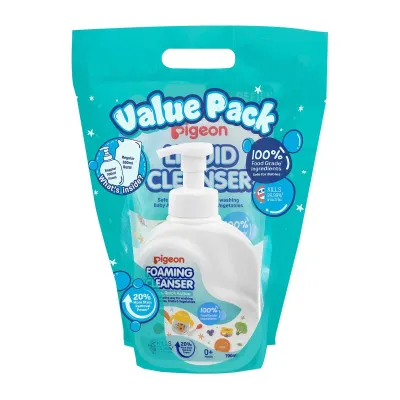
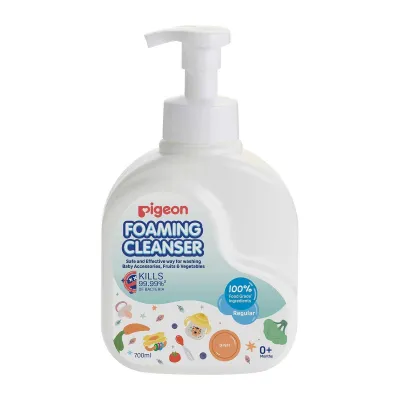
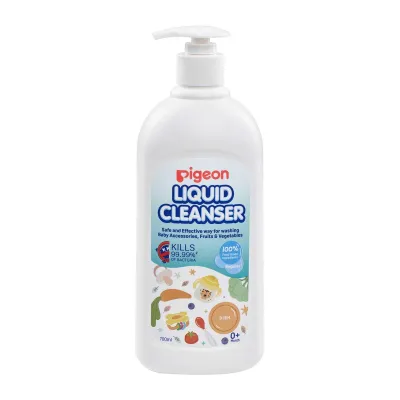
Prices are valid at publication and may change. Please refer to the product page for the latest price.
How to Read the Ingredient Label on Pigeon Cleansers
Navigating the back label of a baby bottle cleanser can feel overwhelming, but understanding how to decode these terms is crucial for peace of mind. Manufacturers list ingredients in descending order of concentration, meaning the first few items make up the bulk of the product. For foam cleansers, water is typically the primary ingredient, followed by the active cleaning agents.

When examining the label, look closely at the cleaning agents, which are technically known as surfactants. You want to verify whether the manufacturer specifies the use of plant-derived surfactants, such as those derived from coconut or corn, or mild synthetic alternatives. Plant-based options are often selected for baby products because they tend to degrade easily and leave minimal harsh residues.
Next, scan the list for additives that do not contribute to the actual cleaning process. This includes added fragrances, synthetic dyes, and heavy preservatives. If your goal is to minimize potential irritants, look for formulations that explicitly state they are free from artificial colorants and perfumes.
If the physical bottle in your hand does not display a complete ingredient list due to space constraints, do not guess. You can locate the full technical formulation by visiting the official brand website or contacting their customer service department directly. Having the complete list allows you to make an informed decision, especially if your child has specific sensitivities.
Key Ingredient Categories to Check for Baby Bottles
To evaluate any bottle cleanser effectively, it helps to understand the roles of the primary ingredient categories. The most important components are the surfactants, which lower the surface tension of water to help lift away stubborn milk fats and proteins. In specialized baby cleansers, these are usually selected for their mildness compared to the harsh surfactants found in standard dishwashing liquids.
Standard household dish soaps often rely on strong degreasers that can be difficult to rinse away completely from plastic and silicone. Baby-specific foam cleansers, on the other hand, typically utilize gentler surfactants that rinse off cleanly with minimal water. Checking for these mild agents ensures that your cleaning routine does not leave behind a soapy film that could mix with your baby’s milk.
Preservatives are another essential category in water-based foam cleansers. Because water is highly susceptible to bacterial and mold growth, preservatives are necessary to keep the product shelf-stable and safe for daily use. When reviewing the label, look for mild preservative systems that are commonly accepted in baby-care standards, and avoid products containing parabens or formaldehyde-releasing agents.
Finally, consider the presence of fragrances and dyes. While a pleasant scent might make dishwashing more enjoyable for parents, these additives serve no functional cleaning purpose. Pediatric and hygiene guidelines generally recommend fragrance-free and dye-free cleaning products for items that go directly into an infant’s mouth, as these compounds can sometimes trigger allergic reactions or leave a lingering taste on silicone nipples.
Safety Standards and Verification Checks
Before introducing any new cleaning product to your baby’s feeding routine, performing a few quick verification checks can prevent unnecessary risks. Start by looking for official safety certifications or food-contact declarations printed directly on the packaging. These marks indicate that the product has met specific regulatory standards for safety when used on items that touch food.
It is also vital to read any manufacturer warnings or usage instructions printed on the back of the bottle. Some formulations may have specific age recommendations, dilution instructions, or warnings regarding contact with eyes and skin. Adhering to these guidelines ensures you are using the product exactly as intended by the developers.
Every infant is unique, and some babies may have heightened sensitivities to even the mildest ingredients. If your child has a history of skin conditions like eczema, digestive issues, or respiratory sensitivities, consult a pediatrician or a qualified healthcare professional before switching cleansers. A professional can help you identify specific ingredients to avoid based on your baby’s medical history.
Proper Usage and Rinsing Practices for Baby Bottles
Even the safest, most natural ingredients can cause issues if they are not used correctly. To prevent soap residue from building up inside bottles and on nipples, always follow the manufacturer’s recommended dosage. Using more foam than necessary does not make the bottles cleaner; instead, it simply makes the rinsing process more difficult and increases the risk of leaving a film behind.
When rinsing, use clean, warm running water rather than standing water in a basin. Direct the stream of water inside the bottle and through the nipple opening to flush out all traces of foam and loosened milk fats. You should rinse until the water runs completely clear and the surfaces of the bottles no longer feel slippery to the touch.
Once the bottles are thoroughly washed and rinsed, proceed immediately to your sterilization routine. Whether you use a steam sterilizer, UV sterilizer, or boiling water, this step is crucial for eliminating any remaining pathogens. After sterilization, allow the items to air-dry completely on a clean rack in a well-ventilated area to prevent mold growth, which is particularly important in humid climates like Singapore.
Frequently Asked Questions (FAQ)
Can I use Pigeon foam cleanser on silicone bottle parts and pacifiers?
Yes, but you should always verify compatibility by checking the specific product label for mentions of silicone, plastic, and rubber. Most mild foam cleansers are formulated to be safe for these flexible materials, which are common in pacifiers and bottle nipples. To protect these parts from damage, avoid using harsh scrubbing brushes or abrasive tools, as they can cause micro-tears where bacteria can easily accumulate.
What should I do if my baby reacts after using a new bottle cleanser?
If you suspect your baby is having an adverse reaction, such as skin irritation around the mouth or digestive discomfort, stop using the cleanser immediately. Temporarily switch to washing feeding items with plain hot water and a clean brush, or use a previously tolerated cleaning method. Ensure all bottles, nipples, and pacifiers are thoroughly re-rinsed and sterilized before the next feeding, and consult a pediatrician to identify the cause of the reaction.
Is foam cleanser better than liquid detergent for baby bottles?
Foam cleansers offer distinct practical advantages, such as instant lathering and better dosage control through a pump mechanism, which can prevent accidental overuse. However, the physical format of the soap does not determine its safety or cleaning power. The ultimate effectiveness and safety of the product depend entirely on its underlying chemical ingredients and how thoroughly you rinse the bottles afterward.
Community discussion
Share your experience or ask a question. Comments are reviewed before publication.