
The Short Answer: Check Your Specific Pigeon Product Label
Using cloth diapers is an eco-friendly and cost-effective choice for many young families, but it requires careful attention to the skincare products you apply to your baby’s delicate skin. If you are wondering whether pigeon baby cream is safe to use with cloth diapers, the short answer is: it depends entirely on the specific product formulation. Pigeon offers a diverse range of baby skincare products, from lightweight daily moisturizing lotions to heavy-duty barrier creams. While some of their water-based daily moisturizers are generally compatible with cloth diaper fabrics when used sparingly, their specialized diaper rash and barrier creams often contain hydrophobic ingredients like zinc oxide or mineral oil.
These ingredients are designed to repel moisture from the skin, but they will also coat and waterproof your diaper fabrics, leading to leaks. Therefore, you must always check the exact ingredient list on your specific Pigeon tube or jar before letting it come into contact with your cloth diapering setup. Taking a few seconds to verify the label can save you from hours of intensive laundry troubleshooting later on.
How Cream Ingredients Cause Cloth Diaper Repelling
To understand why certain ingredients in a pigeon baby cream or other diapering salves can be problematic, it helps to look at how cloth diapers function. Modern cloth diapers rely on highly absorbent fabric layers—such as cotton, bamboo, hemp, or synthetic microfiber—to quickly draw liquid away from your baby’s skin and trap it. When you apply a heavy barrier cream, some of that product inevitably transfers from your baby’s skin onto the inner lining of the diaper during movement.
Products mentioned in this guide
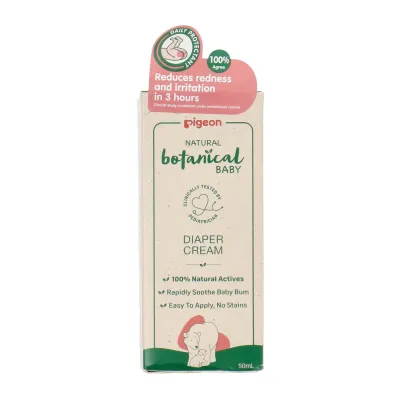
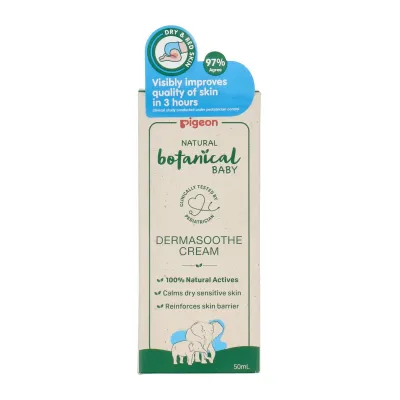
Prices are valid at publication and may change. Please refer to the product page for the latest price.

Over time, these oily or waxy substances accumulate within the fabric fibers, creating a stubborn layer known as “buildup.” Because many traditional rash creams are formulated to be hydrophobic (water-repelling) to protect the skin from wetness, this buildup prevents the diaper fabric from doing its job. Instead of absorbing urine, the liquid simply rolls off the surface of the fabric—a phenomenon known as “repelling.”
This leads to immediate leaks, even if the diaper is clean and freshly washed. The primary culprits behind this issue are petroleum-based compounds (such as petrolatum or mineral oil), zinc oxide, and animal fats like cod liver oil. While excellent for skin recovery, they form a persistent, water-resistant seal on both natural and synthetic fibers that standard washing cycles struggle to remove.
Evaluating Common Pigeon Baby Cream and Rash Formulations
When shopping at local baby boutiques or online marketplaces, you will find several different Pigeon skincare products. Understanding the difference between daily hydration and intensive barrier protection is key to keeping your cloth diapers functioning perfectly.
Pigeon Daily Baby Moisturizers
Pigeon’s daily moisturizing line includes lightweight lotions and creams designed to keep a baby’s skin hydrated in hot, humid tropical climates, especially when spending time in air-conditioned rooms. These products typically feature water-based formulations enriched with ingredients like glycerin, squalane, hyaluronic acid, or plant-derived oils (such as jojoba or chamomile extracts).
Because these moisturizers are formulated to absorb quickly into the skin rather than sit on top as a thick barrier, they are generally much safer for cloth diapers. If you apply a small amount of a water-soluble Pigeon moisturizer and allow it to fully absorb into your baby’s skin before putting on a cloth diaper, the risk of fabric damage is minimal. However, caution is still required. Applying these lotions excessively right before diapering can still cause a gradual buildup of plant oils and emollients over multiple wash cycles. To prevent this, always use daily moisturizers sparingly on the diaper area and ensure your laundry routine is robust enough to break down organic oils.
Pigeon Diaper Rash and Barrier Creams
In contrast to daily lotions, specialized diaper rash creams and barrier formulations from Pigeon are engineered specifically to block moisture. These heavy-duty creams are designed to stay on the skin surface to shield raw, irritated areas from the acidic effects of urine and stool. To achieve this protective seal, these formulations frequently rely on high concentrations of zinc oxide, petrolatum (petroleum jelly), or mineral oils.
While highly effective at soothing diaper rash, these specific ingredients are the primary cause of severe repelling in cloth diapers. Zinc oxide is a mineral that does not dissolve in water and clings tenaciously to fabric fibers, while petroleum derivatives create a greasy, waterproof coating that standard detergents cannot easily wash away. If you apply these barrier creams directly to a baby wearing cloth diapers without a protective liner, you will likely experience immediate absorbency issues. Restoring the diaper’s performance will require intensive “stripping” procedures, which can wear down the fabrics and elastic over time.
How to Check Ingredients and Test for Repelling
Before applying any skincare product to your baby, it is crucial to develop the habit of scanning the packaging. Here is a quick-reference list of common “cloth-unsafe” ingredients to watch out for on your Pigeon product labels:
- Petrolatum / Petroleum Jelly: A heavy mineral oil derivative that creates an absolute waterproof barrier on fabrics.
- Paraffinum Liquidum / Mineral Oil: A common emollient that is highly hydrophobic and difficult to wash out of synthetic fibers.
- Zinc Oxide: A mineral barrier that leaves a white, waxy residue on fabrics, causing severe repelling.
- Microcrystalline Wax / Ozokerite: Waxy thickeners that coat fibers and resist standard laundry detergents.
If you are unsure whether a specific Pigeon cream is safe, you can perform a simple at-home “water drop test” to verify its impact on your diapers. First, take a clean, dry cloth diaper insert or liner. Apply a small, realistic smear of the cream directly onto the fabric, mimicking how it would rub off your baby’s skin. Next, run the insert through your normal diaper wash cycle along with your regular laundry.
Once the insert is completely dry, lay it flat on a table and use a dropper or spoon to place a few drops of water directly onto the spot where the cream was applied. If the water absorbs into the fabric within a couple of seconds, the cream is safe to use. If the water beads up, sits on top of the fabric, or rolls off, the cream has caused repelling, and you should avoid using it directly on cloth diapers. If you detect repelling, do not panic or discard the diaper—adjusting your wash temperature or using a stronger detergent can often resolve minor buildup before it becomes a permanent issue.
Safe Application Tips and Cloth Diaper Liners
You do not have to abandon your cloth diapering routine just because your baby needs a barrier cream. By implementing a few practical adjustments, you can safely use your preferred Pigeon products without compromising your diapers’ absorbency.
The most effective solution is to use a diaper liner to create a physical barrier between the cream and the diaper fabric. There are two main options:
- Disposable Bamboo Liners: These are thin, biodegradable sheets that lay on top of the diaper. They catch the cream residue and solid waste, and you simply discard them in the trash during diaper changes.
- Reusable Fleece Liners: Made from polyester microfleece, these liners do not absorb moisture themselves but allow liquid to pass through into the absorbent insert below. Because fleece is synthetic, it can handle some cream buildup without ruining your expensive diaper shells or inserts.
When using reusable fleece liners, wash them carefully. If they become heavily coated in zinc oxide or petroleum-based creams, wash them in a separate hot cycle or hand-scrub them with a grease-cutting dish soap before tossing them into the main diaper wash. This prevents the cream residue from transferring to your highly absorbent inserts during the agitation cycle.
Additionally, always apply creams sparingly. Focus only on the areas showing redness or irritation rather than slathering the entire diaper zone. If accidental buildup does occur on your main inserts, you may need to “strip” them. Refer to your diaper manufacturer’s instructions for approved stripping methods. This typically involves washing the clean diapers in hot water with a residue-free detergent or a specialized cloth diaper restorer. Avoid harsh DIY chemical boils, vinegar soaking, or excessive bleaching, as these can permanently damage the waterproof polyurethane laminate (PUL) outer layers and degrade the elastics.
Frequently Asked Questions (FAQ)
Can I use a zinc oxide cream if I use a fleece liner?
Yes, you can safely use a zinc oxide cream if you place a high-quality, stay-dry fleece liner between your baby’s skin and the diaper. The fleece liner acts as a shield, catching the waxy mineral residue before it can reach the absorbent layers of your diaper. However, make sure the liner fully covers the diaper surface to prevent any cream from rubbing onto the edges of the diaper cover. To avoid cross-contamination, wash heavily soiled fleece liners separately or pre-scrub them with a grease-cutting detergent before washing them with your regular cloth diapers.
How do I know if my cloth diapers need stripping?
Your cloth diapers likely need stripping if you notice a sudden drop in absorbency or persistent leaks despite a perfect fit. Other clear indicators of buildup include a strong, pungent ammonia smell immediately after your baby urinates, or if the inner fabric feels unusually stiff, greasy, or waxy to the touch. You can confirm your suspicions by performing the water drop test on several inserts; if water beads up on the surface instead of soaking in instantly, it is time to perform a deep-clean stripping process.
Community discussion
Share your experience or ask a question. Comments are reviewed before publication.