
Determining whether a specific baby cleanser is safe for a newborn requires looking beyond marketing claims to evaluate actual ingredients, washing practices, and your baby’s unique skin sensitivity. Because infant skin is highly permeable and still developing its protective barrier, any laundry product used on their clothes, swaddles, and bedding must be carefully vetted. This guide helps you systematically verify the safety profile of Pigeon baby cleanser, establish residue-free laundry routines, and recognize when to adjust your approach based on your baby’s skin responses.
In Singapore’s warm and humid climate, infants sweat frequently, which can cause clothing fibers to rub more intensely against their delicate skin. If laundry detergents leave chemical residues behind, this friction combined with moisture can quickly lead to heat rash, contact dermatitis, or eczema flare-ups. Therefore, choosing the right cleanser and using it correctly is not just about cleanliness, but also about protecting your baby’s comfort and skin health.
What Makes a Detergent Safe for Newborn Skin?
To understand whether any cleanser is safe for your baby, it helps to look at the unique physiology of newborn skin. An infant’s skin is roughly thirty percent thinner than adult skin, and its outermost layer, the stratum corneum, is still developing. This structural difference means a baby’s skin barrier is highly permeable, allowing topical chemicals to penetrate much more easily into the deeper layers of the skin, while also losing moisture at a faster rate.
Products mentioned in this guide
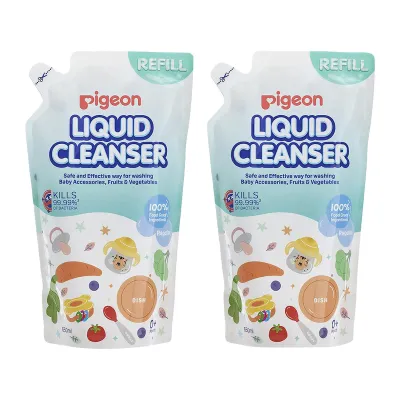
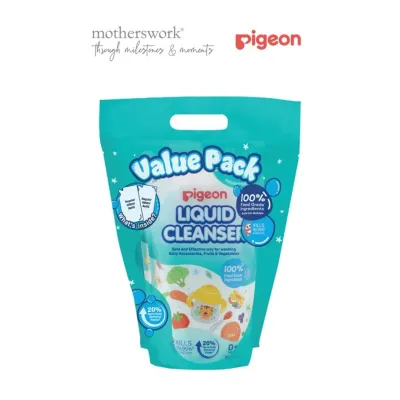
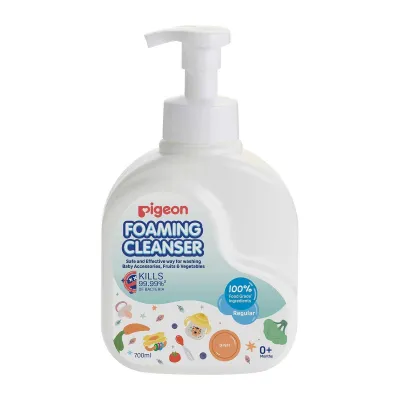
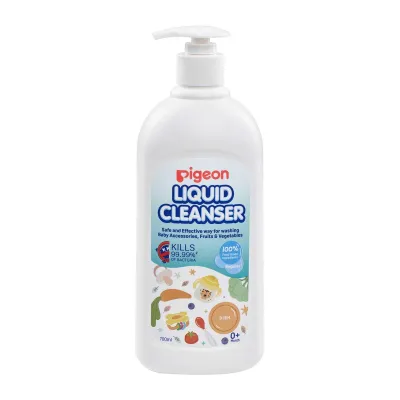
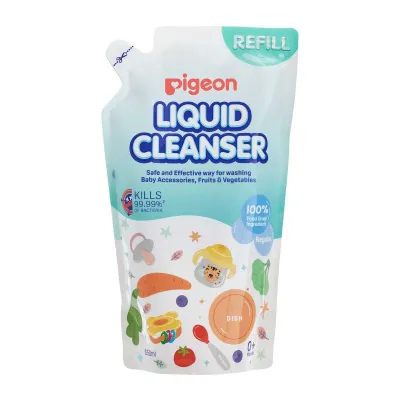
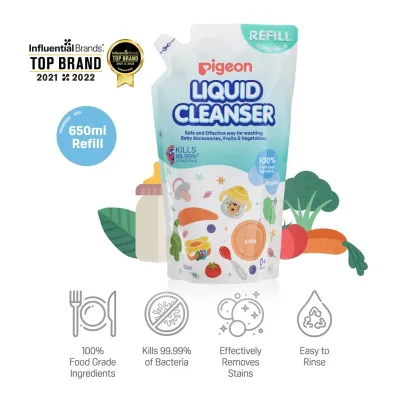
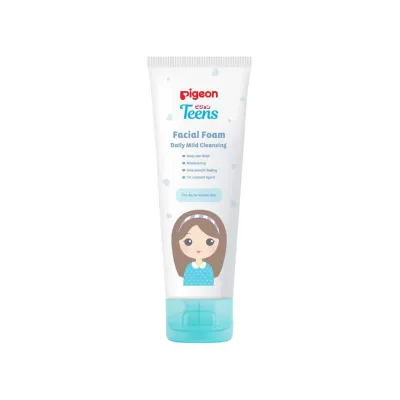
Prices are valid at publication and may change. Please refer to the product page for the latest price.
Because of this high permeability, certain common laundry additives that are perfectly fine for adults can cause significant irritation or allergic reactions in newborns. Optical brighteners, which are chemical dyes designed to remain on fabric fibers to make clothes appear whiter and brighter, are a primary concern as they do not actually clean the fabric but can cause mechanical and chemical irritation. Strong synthetic fragrances and artificial colorants are also frequent triggers for contact allergies, while harsh anionic surfactants like sodium lauryl sulfate can strip away the natural lipids that keep your baby’s skin hydrated.
When shopping for baby detergents, it is crucial to distinguish between vague marketing buzzwords and verifiable formulation transparency. Terms like “natural,” “gentle,” or “organic” are often used loosely on packaging without strict regulatory definitions. A truly safe detergent is one that provides a clear, transparent ingredient list, allowing parents to verify exactly what chemicals will be coming into contact with their child’s skin.
How to Read and Verify Pigeon Baby Cleanser Labels
When evaluating Pigeon baby cleanser, your first step should always be to locate and read the full ingredient list on the physical packaging or the manufacturer’s official website. Avoid relying solely on front-label highlights or brief product descriptions found on online marketplaces, as these often omit specific chemical names. By examining the actual ingredient list, you can make an informed decision based on facts rather than promotional claims.

Carefully cross-reference the listed ingredients against known skin sensitizers, paying close attention to the types of surfactants, preservatives, and fragrances used. Look for mild, plant-derived surfactants such as alkyl polyglucosides, which clean effectively without stripping the skin’s natural moisture barrier. Check the preservative system; safe formulations typically avoid parabens, methylisothiazolinone, and formaldehyde-releasing agents. If the product contains any added fragrance, consider whether your newborn has highly reactive skin, as even mild perfumes can trigger reactions in sensitive infants.
You should also critically interpret claims such as “hypoallergenic” or “dermatologically tested” by looking for supporting details on the bottle. True dermatological testing should ideally be backed by recognized pediatric or dermatological safety marks, indicating the formula has been evaluated under controlled conditions. Keep in mind that “hypoallergenic” simply means the product is formulated to minimize the risk of allergic reactions, but it does not guarantee absolute safety for every individual baby.
Finally, take the time to compare different variants within the Pigeon range. The brand offers various cleaning products, including liquid cleansers designed for washing feeding bottles and toys, as well as dedicated baby laundry detergents. These products have different chemical concentrations and purposes, so ensure you are using the correct laundry-specific formula. If your baby has extremely sensitive skin or diagnosed eczema, look for their fragrance-free or sensitive-skin variants, which typically feature the simplest and most gentle ingredient profiles.
Laundry Habits That Minimize Residue and Irritation
Even the mildest baby detergent can cause skin irritation if it is not thoroughly rinsed out of the fabric fibers. To prevent chemical buildup, always follow the manufacturer’s dosing instructions printed on the back of the bottle. Use the provided measuring cap to adjust the amount of liquid based on your washing machine’s load size and the soil level of the clothes. Adding extra detergent does not make the clothes cleaner; instead, it creates excess suds that are difficult to rinse away, leaving a stiff, irritating residue on the fabric.
To further safeguard your newborn’s skin, utilize an extra rinse cycle on your washing machine. Modern high-efficiency washing machines are designed to conserve water, which can sometimes result in trace amounts of detergent remaining in the laundry. Running an additional rinse cycle is highly recommended for items that remain in direct, prolonged contact with your baby’s skin, such as sleepwear, swaddles, bedding, and reusable cloth wipes.
Additionally, make it a habit to wash your baby’s items separately from the rest of the household’s laundry. Adult clothing is frequently washed with heavy-duty detergents, fabric softeners, and stain removers that contain strong synthetic fragrances, dyes, and optical brighteners. Washing baby clothes in the same load can lead to cross-contamination, where these harsh chemicals transfer onto your baby’s delicate garments during the wash cycle. Keeping baby items in a dedicated laundry basket and washing them separately minimizes this risk entirely.
How to Spot and Handle Potential Skin Reactions
Despite your best efforts, your newborn may still experience a reaction to a new laundry product. It is important to know how to spot the localized signs of contact irritation, which typically appear on areas of the skin in direct contact with clothing, such as the torso, arms, and thighs. Look for unexplained redness, dry or rough patches, tiny raised bumps, or scaling. You may also notice your baby showing signs of discomfort, such as increased fussiness or rubbing their body against sheets shortly after being dressed in freshly washed clothes.
If you observe any of these signs, initiate a clear stop-use protocol immediately. Discontinue using the suspected cleanser and gather all of your baby’s recently washed clothes, bedding, and swaddles. Wash these items again in plain, warm water without any detergent to strip away any lingering chemical residues, or switch to a basic, dermatologist-recommended alternative that you know is safe for your baby. Monitor your baby’s skin closely over the next forty-eight hours to see if the redness and irritation begin to subside.
While mild contact irritation often resolves quickly once the trigger is removed, you must know when to seek professional medical advice. Consult a pediatrician or a pediatric dermatologist if the skin reaction does not improve within a few days, if the rash spreads to areas not covered by clothing, or if you notice signs of infection such as oozing, crusting, extreme warmth, or if your baby develops a fever. Never apply over-the-counter medicated creams or steroid ointments to a newborn’s skin without direct guidance from a qualified healthcare professional.
Frequently Asked Questions (FAQ)
Can I use Pigeon baby cleanser for washing cloth diapers?
When laundering reusable cloth diapers, you must verify that the specific cleanser formulation does not contain additives like fabric softeners, synthetic oils, or heavy fragrances. These ingredients can deposit a thin coating over the diaper fibers, which reduces their absorbency and causes liquid to repel rather than absorb. This repelling effect can lead to leaks and keep moisture trapped against your baby’s skin, increasing the risk of diaper rash. Always check the diaper manufacturer’s care guidelines to ensure the detergent’s surfactants are compatible with the diaper fabric, and ensure you rinse the diapers thoroughly.
Do I need to wash new baby clothes before the first use?
Yes, it is highly recommended to wash all new baby clothes, swaddles, and bedding before they ever touch your newborn’s skin. During the manufacturing process, fabrics are often treated with chemical sizing agents, starches, and anti-wrinkle finishes to keep them looking pristine on store shelves. Additionally, garments can accumulate dust, dirt, and various physical contaminants during shipping, warehousing, and handling. Washing new items with a verified, gentle baby detergent removes these chemical residues and physical irritants, ensuring that only clean, soft fabric comes into contact with your baby.
Is it safe to mix baby cleanser with fabric softeners?
It is best to avoid mixing baby cleansers with fabric softeners when washing newborn clothing. Fabric softeners work by leaving a chemical film over the fabric fibers to make them feel softer to the touch. However, this film can significantly reduce the breathability and moisture-wicking capabilities of cotton fabrics, which is highly problematic in Singapore’s warm, humid climate. Furthermore, fabric softeners often contain strong synthetic fragrances and preservatives that are common skin irritants. To keep your baby’s clothes soft naturally, stick to a gentle detergent and ensure they are thoroughly dried.
Community discussion
Share your experience or ask a question. Comments are reviewed before publication.