
When choosing a laundry detergent for your baby’s clothing, understanding the chemical formulation is essential for preventing skin irritation. Infant skin is thinner and more permeable than adult skin, making babies highly susceptible to contact dermatitis caused by residues left on fabric fibers. While Peachy Bum laundry detergent is marketed for family use, parents must carefully evaluate its specific ingredient list, safety warnings, and certifications to determine if it aligns with their child’s unique skin sensitivity. By learning how to decode detergent labels and identify potential irritants, you can make an informed decision that keeps your baby’s clothes clean, soft, and safe.
Understanding Baby Detergent Ingredients
To evaluate any laundry product, including Peachy Bum, you must first understand the primary components of modern detergents. These chemical mixtures are designed to break down oils, lift stains, and suspend dirt in water. The core ingredients generally fall into several functional categories: surfactants, builders, enzymes, preservatives, and aesthetic additives like fragrances and dyes.
Surfactants, or surface-active agents, are the primary cleaning workhorses. They lower the surface tension of water, allowing it to wet fabrics and penetrate fibers to loosen soils. While some surfactants are mild and plant-derived, others are synthetic and can be aggressive on sensitive skin. Builders assist surfactants by softening hard water, preventing mineral deposits from binding to fabric fibers.
Products mentioned in this guide
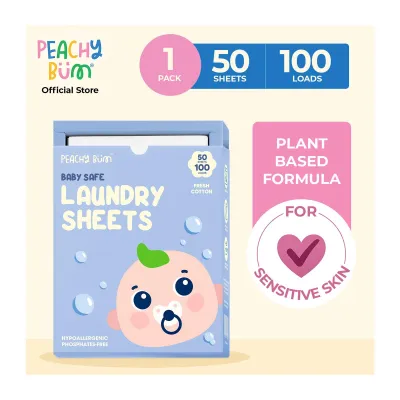
![Peachy Bum Baby Safe Laundry Sheets [Safe for Sensitive Skin & Phosphate-Free]](https://img.lazcdn.com/g/p/c9d195e7f9a832f70c0a201b1c05e7e1.jpg_400x400q80.jpg_.webp)
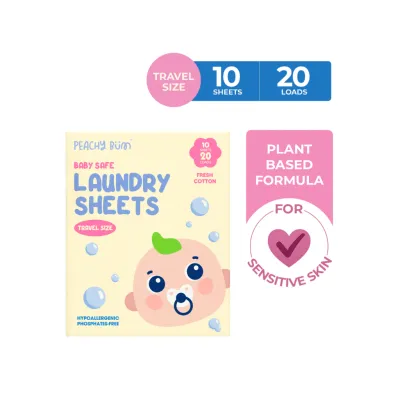
Prices are valid at publication and may change. Please refer to the product page for the latest price.
Enzymes are biological catalysts added to target specific stains. Proteases break down protein-based stains like formula and breast milk, while amylases target starches. Although highly effective at stain removal, some infants with extremely sensitive skin or compromised skin barriers may experience mild irritation from residual enzymes left on clothing.
Preservatives are necessary in liquid detergents to prevent the growth of bacteria, mold, and yeast during storage. However, certain preservatives are known sensitizers that can trigger contact allergies. Fragrances and dyes are added solely for aesthetic appeal, providing a pleasant scent or color, but they serve no functional purpose and are common culprits behind pediatric skin reactions.
When reading a detergent label, distinguish between marketing claims and the actual chemical formulation. Terms like “natural,” “gentle,” or “baby-safe” are not strictly regulated in the laundry industry. A product labeled “for sensitive skin” may still contain synthetic preservatives or masking fragrances. To truly assess safety, bypass front-of-bottle claims and scrutinize the ingredient list on the back label or safety data sheets.
How to Evaluate Peachy Bum Laundry Detergent for Your Baby
Because product formulations can change over time, always verify the current ingredient list of Peachy Bum laundry detergent directly from official and physical sources. Start by examining the physical product label on the back of the bottle. Look for a dedicated ingredient section listing components in descending order of concentration. If the physical packaging lacks a full list, visit the official Peachy Bum brand website or request their Safety Data Sheet (SDS) for a comprehensive breakdown.

While reviewing the packaging, pay close attention to manufacturer warnings, age recommendations, or specific usage instructions. Some detergents carry warnings advising against use on infant sleepwear or garments labeled as flame-resistant, as certain ingredients can degrade flame-retardant coatings. Additionally, check if the manufacturer specifies whether the product is suitable for newborns or if it is intended for older babies and toddlers with more resilient skin.
Verify any claimed dermatological testing, hypoallergenic status, or safety certifications directly through the brand’s official documentation. A genuine “hypoallergenic” or “dermatologist-tested” claim should be backed by clinical trial summaries or certifications from recognized third-party boards. Do not rely solely on third-party retail listings or online marketplace descriptions, which can contain outdated information. Instead, cross-reference these claims with official brand statements or independent certification databases to ensure the product meets recognized safety standards.
Key Ingredients to Avoid in Baby Laundry Products
When cross-referencing the ingredient list of Peachy Bum or any other laundry detergent, parents should maintain a strict checklist of additives known to cause skin irritation or respiratory sensitivity in infants. Because baby clothes remain in direct, prolonged contact with your child’s skin, any chemical residue trapped within the fabric weave can easily migrate to the skin barrier, especially when moistened by sweat, drool, or urine.
Harsh Surfactants and Optical Brighteners
Among surfactants, sulfates such as Sodium Lauryl Sulfate (SLS) and Sodium Laureth Sulfate (SLES) are common cleaning agents that can be highly stripping. While they produce a satisfying lather, they can disrupt the delicate lipid barrier of an infant’s skin, leading to dryness, redness, and itching. When evaluating a detergent, look for milder, non-ionic surfactants derived from natural sources, such as coco-glucoside or decyl glucoside, which clean effectively without stripping the skin.
Optical brighteners are synthetic chemicals added to detergents to make fabrics appear whiter and brighter. They absorb ultraviolet light and emit blue light, masking the natural yellowing of fabrics over time. However, optical brighteners do not actually clean clothes; instead, they are designed to remain embedded in the fabric fibers even after the rinse cycle. This constant contact with the skin can trigger allergic contact dermatitis in sensitive infants, making optical brighteners an ingredient category best avoided in baby laundry care.
Synthetic Fragrances and Dyes
Synthetic fragrances are a leading cause of cosmetic-related skin allergies in both children and adults. A single “fragrance” or “parfum” listing on a label can represent a complex mixture of dozens of undisclosed chemical compounds, including phthalates, which are used to make scents last longer. For babies, whose respiratory systems and skin barriers are still developing, these synthetic scents can cause skin flare-ups or respiratory irritation.
It is crucial to understand the distinction between “fragrance-free” and “unscented” labels. A “fragrance-free” product means that no fragrance chemicals or masking scents have been added to the formulation. An “unscented” product, on the other hand, may contain chemical masking agents designed to neutralize the natural odors of the raw ingredients, resulting in a neutral smell despite the presence of potential allergens. For maximum safety, always opt for products explicitly labeled as fragrance-free. Similarly, synthetic dyes should be avoided as they offer no cleaning benefit and introduce unnecessary chemical exposure.
Safe Washing Practices and Skin Sensitivity Checks
Even if a detergent’s ingredient list appears completely safe on paper, every baby’s skin is unique, and individual sensitivities can still occur. Therefore, introducing a new laundry detergent like Peachy Bum should always be done gradually and systematically. Before washing an entire load of your baby’s clothes, perform a simple patch test. Wash a single, small item of clothing—such as a baby sock or a washcloth—with the new detergent, dry it thoroughly, and have your baby wear or use it for a day. Monitor the skin area in contact with the fabric for any signs of redness, bumps, dryness, or irritation.
Proper dosing is another critical factor in minimizing detergent residue on baby clothes. Many parents mistakenly believe that using more detergent results in cleaner clothes, but excess detergent often fails to rinse out completely, leaving a soapy buildup within the fabric fibers. Always adjust the detergent dosage based on the load size, soil level, and local water conditions. If you live in an area with soft water, you will require less detergent to achieve a clean wash compared to areas with hard water. Use the measuring cap provided by the manufacturer and avoid exceeding the recommended line for small or medium loads.
Finally, establish clear stop conditions for any new laundry product. If you notice any signs of skin irritation, such as a localized rash, dry patches, or persistent scratching after your baby wears clothes washed in the detergent, discontinue use immediately. Re-wash all affected garments using plain water or a known safe, fragrance-free alternative to strip away any lingering residues. If the skin irritation does not improve within a few days, or if it appears to cause your baby discomfort, consult a qualified pediatrician or pediatric dermatologist for professional medical advice.
Frequently Asked Questions (FAQ)
Do I need a separate detergent for baby clothes and adult clothes?
You do not necessarily need to purchase a separate, specialized baby detergent if your entire family switches to a mild, fragrance-free, and hypoallergenic detergent. Washing adult and baby clothes together in a gentle formula is highly convenient and perfectly safe for most infants. However, separate washing becomes necessary if adult garments are heavily soiled with industrial chemicals, grease, or strong perfumes, or if your baby has been diagnosed with severe eczema or extremely sensitive skin. In such cases, washing baby clothes separately prevents cross-contamination of harsh residues and allows you to customize the wash cycle for maximum fabric safety.
How many times should I rinse baby clothes after washing?
For standard laundry, a single thorough rinse cycle is usually sufficient if you use the correct dosage of a gentle detergent. However, if your baby has highly sensitive skin or if you suspect detergent buildup, utilizing the extra rinse cycle on your washing machine is an excellent preventive measure. You can perform a quick visual and tactile check after the wash cycle completes: the wet clothes should feel clean and free of any slippery, slimy, or soapy residue, and there should be no visible soap suds remaining in the washing machine drum. If the clothes feel stiff or have a strong scent, run an additional rinse cycle to ensure all detergent traces are completely removed.
Community discussion
Share your experience or ask a question. Comments are reviewed before publication.