
Determining whether Nature Love Mere detergent is safe for your baby requires looking closely at its specific ingredient list, as no single laundry product is universally guaranteed to be free from skin reactions for every infant. While this brand is widely marketed as a gentle, plant-based option for delicate newborn skin, parents must verify the exact formulation on their specific bottle. Because baby skin is significantly thinner and more permeable than adult skin, even naturally derived ingredients can occasionally trigger localized irritation or contact dermatitis.
Evaluating a baby detergent involves understanding the role of surfactants, preservatives, and fragrances. By learning how to read the product label, identify potential irritants, and perform a safe home patch test, you can make an informed decision that protects your baby’s skin barrier while keeping their clothing clean.
Understanding the Nature Love Mere Detergent Ingredient Label
To make an informed choice, locate and read the full ingredient list on your specific bottle of Nature Love Mere detergent. Because this brand is imported from South Korea, the original packaging often features Korean text. When purchasing in Singapore, look for an English translation sticker applied by the authorized distributor, or consult their official online store listings for a complete ingredient breakdown.
Products mentioned in this guide
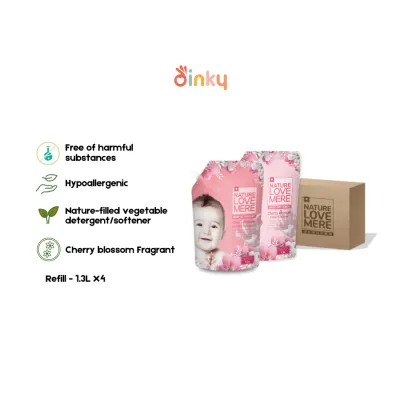
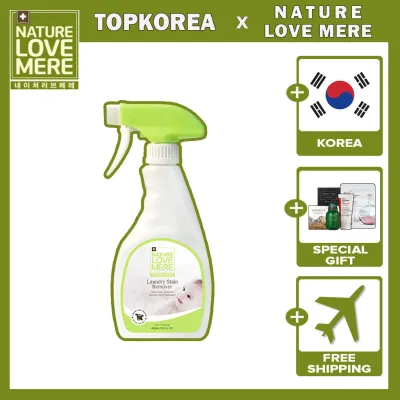
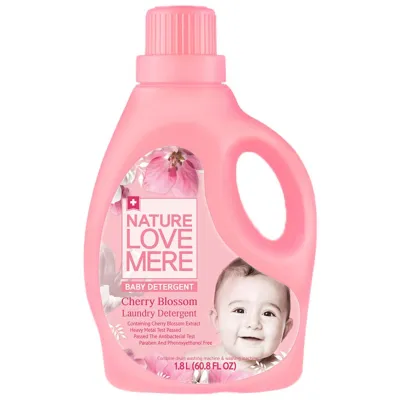
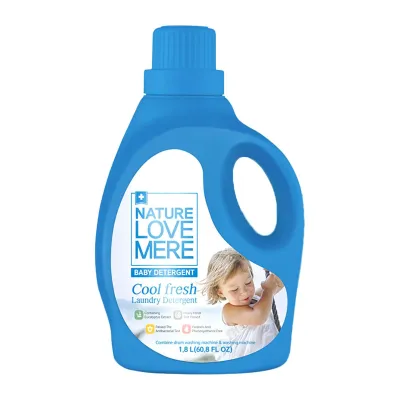
Prices are valid at publication and may change. Please refer to the product page for the latest price.
Distinguish between broad marketing terms and actual chemical or botanical names. Phrases like “plant-based” or “natural” are frequently used on the front of the packaging to highlight botanical origins, but these are not strictly regulated medical definitions. A detergent can contain plant-derived ingredients while still utilizing synthetic processing agents or preservatives that require verification.
Additionally, remain vigilant about batch-specific formulation changes or regional variations. Manufacturers occasionally modify surfactant blends or preservative systems to comply with updated safety standards or improve shelf life. Always check the back label of a newly purchased bottle, even if you have successfully used the brand in the past, to ensure no new potential allergens have been introduced.
Identifying Baby-Safe Ingredients on the Label
When reviewing the ingredient list, look for mild, plant-derived surfactants that clean fabrics effectively without stripping the natural oils from your infant’s skin. Common gentle surfactants include coco-glucoside, lauryl glucoside, and decyl glucoside, which are derived from coconut or corn. These biodegradable agents lower the surface tension of water to lift away dirt, leaving minimal residue on fabric fibers after a wash cycle.

Another category of beneficial ingredients is natural enzymes. Enzymes such as amylase, protease, and lipase are highly effective at breaking down organic baby stains, including breastmilk, formula, spit-up, and pureed food. Because these enzymes target specific proteins, starches, and fats, they help lift stubborn stains without requiring harsh scrubbing or highly alkaline chemical additives that could degrade delicate cotton fabrics.
Furthermore, the absence of certain cosmetic additives is a strong indicator of a baby-safe formulation. A suitable baby detergent should be free from artificial dyes and optical brighteners. Optical brighteners are synthetic chemicals designed to remain on fabric fibers to reflect light and make clothes appear whiter. Because these chemicals do not rinse out easily and remain in constant contact with your baby’s skin, choosing a clear or off-white liquid detergent helps minimize the risk of skin irritation.
Ingredients to Verify or Avoid for Sensitive Skin
While many plant-derived ingredients are exceptionally mild, certain components can still trigger sensitivities or allergic contact dermatitis in newborns and infants with compromised skin barriers. Synthetic fragrances and even specific natural essential oils, such as lavender, eucalyptus, or citrus oils, contain volatile organic compounds that can irritate highly sensitive skin. If your baby is prone to dry skin or eczema, opting for a completely fragrance-free formulation is generally the safest approach.
Preservatives are another critical category to verify on the label. Because liquid detergents contain water, they require preservatives to prevent the growth of harmful bacteria, mold, and yeast, especially when stored in warm, humid environments like Singapore. However, parents should cross-reference the label to ensure the product does not contain harsh preservatives such as parabens, phenoxyethanol, or isothiazolinones (including MIT and CMIT), which are known skin sensitizers.
Always check the packaging for clear allergen declarations, “free-from” claims, or specific warnings. Reliable baby brands often list the specific substances they omit, such as heavy metals, phosphates, or chlorine. Keep in mind that a “dermatologically tested” label does not mean a product is entirely free from potential irritants, so reading the individual chemical names on the ingredient list remains your most reliable line of defense.
Verifying Safety Claims and Certifications
To validate the safety claims of Nature Love Mere detergent, look for recognized third-party dermatological testing labels and certifications on the packaging. For example, certifications from independent institutes, such as Germany’s Dermatest, indicate that the product has undergone clinical skin tolerance testing on human subjects under medical supervision. Understanding the specific rating, such as an “Excellent” seal, helps confirm that the formulation has a low potential for causing skin irritation.
In addition to dermatological tests, check for international or local safety certifications that regulate household cleaning products. These certifications often verify that the ingredients meet strict environmental and safety standards, ensuring the absence of microplastics, heavy metals, and highly toxic chemical residues. However, remember that certifications evaluate general skin compatibility and environmental impact; they cannot predict individual allergic reactions unique to your child.
If your baby has a diagnosed skin condition, such as atopic dermatitis, severe eczema, or known contact allergies, do not rely solely on packaging claims. Before switching to a new laundry detergent, consult a pediatrician or a pediatric dermatologist. A qualified medical professional can review the specific ingredient list of the detergent and provide personalized guidance based on your baby’s unique skin health history.
How to Safely Test the Detergent for Your Baby
When introducing Nature Love Mere detergent to your baby’s laundry routine, a cautious, step-by-step testing method is highly recommended. Instead of washing your baby’s entire wardrobe at once, perform a localized patch test. Select a single, small item that comes into direct contact with their skin, such as a muslin swaddle, a bib, or a washcloth, and wash it separately using the new detergent.
Once the item is dry, let your baby wear or use it for 24 to 48 hours. During this period, closely monitor the skin areas in direct contact with the fabric for any signs of localized irritation. Look for redness, dry or rough patches, small bumps, or unusual fussiness that might indicate the baby is experiencing itching or discomfort. If no reaction occurs, you can gradually transition to washing other clothing items with the detergent.
To minimize the risk of residue buildup, always follow the manufacturer’s dosage instructions printed on the back of the bottle. Overusing detergent does not make clothes cleaner; instead, it leaves excess surfactant molecules trapped within the fabric fibers. In Singapore’s humid climate, running an extra rinse cycle on your washing machine is an excellent preventive measure to ensure all traces of detergent are thoroughly flushed out of your baby’s garments. If you observe any signs of skin irritation, stop using the detergent immediately, rewash the affected items in plain water, and seek medical advice if the symptoms do not clear up.
Frequently Asked Questions (FAQ)
Do I need to use a separate detergent for baby clothes and adult clothes?
Using a separate detergent is highly recommended because adult laundry detergents often contain strong synthetic fragrances, optical brighteners, and heavy-duty surfactants designed to tackle sweat, cosmetics, and outdoor soils. These harsh chemical residues can easily transfer to baby clothes if washed in the same cycle or if adult detergent residues remain in the washing machine drum. To simplify your laundry routine, you can choose to wash the entire family’s clothing using a mild, baby-safe detergent, provided it effectively cleans adult garments.
Can Nature Love Mere detergent remove tough milk and food stains?
To determine if the detergent can handle tough organic stains, check the ingredient label for active enzymes like protease and lipase, which specifically target protein-based milk stains and fat-based food residues. For the best results, pre-treat stubborn stains as soon as they occur by soaking the garment in warm water mixed with a small amount of the detergent before running a standard wash cycle. Always verify the fabric care label on your baby’s clothing to ensure the water temperature and washing method are appropriate.
What should I do if my baby develops a rash after switching detergents?
If your baby develops a skin rash, stop using the new detergent immediately. Rewash all of your baby’s recently laundered clothing, bedding, and towels in plain water or a previously tolerated, fragrance-free detergent to remove any lingering chemical residues. Avoid applying over-the-counter medicated creams or self-diagnosing the cause of the rash. Consult a pediatrician or dermatologist promptly to obtain an accurate diagnosis and a safe treatment plan for your baby’s skin.
Community discussion
Share your experience or ask a question. Comments are reviewed before publication.