
Quick Answer: Is Moogoo Safe for Your Baby?
Moogoo baby bathing products are generally formulated to be mild, gentle, and supportive of delicate skin, but individual safety always depends on your baby’s specific skin type, age, and personal ingredient tolerances. While many parents turn to the brand for its use of naturally derived ingredients, no single skincare product is universally guaranteed to be free of irritation for every infant. Your baby’s skin barrier is highly sensitive and still developing, meaning what works beautifully for one infant might cause mild sensitivity in another.
In Singapore, baby washes, shampoos, and lotions are regulated under specific cosmetic frameworks rather than carrying a single, official “HSA approved” stamp. The Health Sciences Authority (HSA) oversees these products to ensure they meet regional safety standards, but they do not issue pre-market safety certificates for individual brands. To make the safest choice for your little one, you must understand how local regulations work, how to carefully decode ingredient labels, and how to monitor your baby’s skin for any adverse reactions. This guide provides the practical steps you need to verify product safety and establish a gentle, protective bathing routine.
The Truth About HSA Certification for Baby Washes in Singapore
When shopping for baby care products in Singapore, it is common to look for an “HSA certified” or “HSA approved” label as a badge of safety. However, this stems from a misunderstanding of how the Health Sciences Authority (HSA) regulates consumer products. The HSA classifies standard baby bathing products, such as washes, bubble baths, and shampoos, as cosmetic products rather than therapeutic goods or medicines.
Products mentioned in this guide
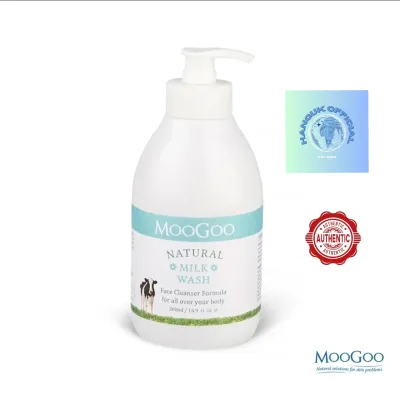
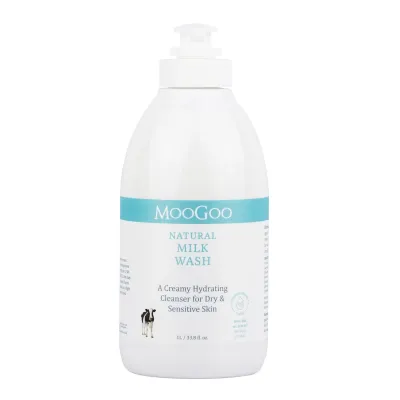
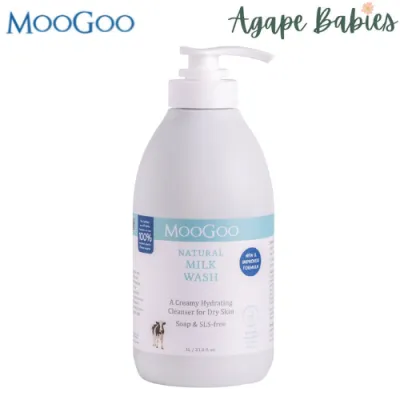
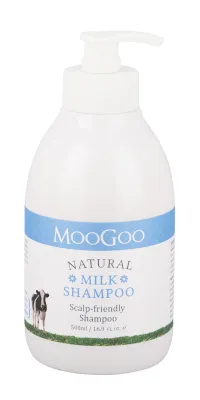
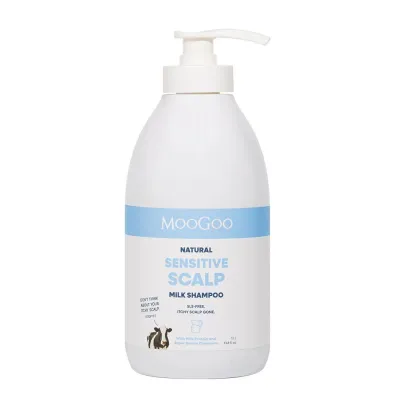
Prices are valid at publication and may change. Please refer to the product page for the latest price.

Under this classification, the HSA does not issue pre-market “approval certificates,” safety stamps, or registration numbers for cosmetic items. Instead, all cosmetics sold locally must comply with the ASEAN Cosmetic Directive (ACD). This regulatory framework places the primary responsibility on the manufacturer, importer, or local distributor to ensure the product is safe, formulated with permitted ingredients, and manufactured under good practices before it is placed on the market. Before selling a product, the company must submit a cosmetic product notification to the HSA. This notification is an administrative record of sale rather than an endorsement of safety or efficacy by the authority.
To verify that a baby wash complies with local safety expectations, you should perform a few straightforward checks:
- Examine the Packaging: Ensure the product features clear, legible labeling in English, listing the full ingredient list, country of manufacture, batch number, and the contact details of the local importer or distributor.
- Monitor HSA Safety Alerts: The HSA actively conducts post-market surveillance and regularly publishes press releases regarding cosmetic recalls, safety alerts, or products found to contain undeclared prohibited substances. Checking these public updates is an excellent habit for any parent.
- Understand Registration Numbers: Do not worry if you cannot find an HSA registration number on a bottle of Moogoo baby wash. The absence of such a number is completely normal and expected for standard cosmetic washes.
It is also important to differentiate between daily baby washes and medicated skin treatments. Standard baby washes are cosmetics meant for cleansing. In contrast, medicated eczema creams or therapeutic ointments that claim to cure, prevent, or treat specific medical conditions are classified as therapeutic products. These therapeutic items are subject to a much stricter evaluation process and do require formal registration and listing with the HSA. If your baby has severe eczema or a compromised skin barrier, always consult a pediatrician to determine whether they require a registered therapeutic treatment rather than a standard cosmetic wash.
How to Check Moogoo Ingredients for Your Baby's Skin
Evaluating the ingredient list on a baby product is the most reliable way to determine if it is suitable for your child’s skin. By law, cosmetic products must list their ingredients using the International Nomenclature of Cosmetic Ingredients (INCI) system, with components arranged in descending order of concentration. This means the first five to ten ingredients listed make up the vast majority of the product’s formula, while ingredients near the bottom are present in very small amounts.
When looking at premium, gentle baby washes like those from Moogoo, you will typically find several categories of mild ingredients designed to protect the skin barrier:
- Mild Plant-Derived Surfactants: Instead of harsh cleansing agents like Sodium Lauryl Sulfate (SLS) or Sodium Laureth Sulfate (SLES), which can strip away natural lipids, gentle formulas often use glucose- or coconut-derived cleansers. Look for names like Decyl Glucoside, Coco-Glucoside, or Cocamidopropyl Betaine on the label.
- Natural Oils and Emollients: Ingredients such as Sweet Almond Oil, Olive Oil, or Squalane help replenish moisture during the cleansing process, leaving a fine protective layer on the skin.
- Soothing Botanical Extracts: Ingredients like Chamomile Extract, Aloe Vera, or Colloidal Oatmeal are commonly included to help calm minor redness and soothe dry skin.
However, parents must remember that “natural” does not automatically mean “allergen-free” or “hypoallergenic.” Many natural substances can still trigger contact allergies or skin irritation, especially in newborns or babies with active eczema. For instance, certain essential oils (such as lavender, tea tree, or citrus oils) and natural fragrances are known sensitizers. If your baby has highly sensitive skin, you should look for fragrance-free formulations and carefully monitor how their skin responds to botanical extracts.
Always check the specific packaging of the Moogoo product you purchase, as formulations can vary between different product lines or undergo updates over time. If your baby has a known allergy, a history of reactive skin, or a diagnosed skin condition, take the ingredient list to your pediatrician or a pediatric dermatologist. They can help you cross-reference the components against known triggers to ensure the product is appropriate for your baby’s unique skin profile.
Spotting Skin Reactions and When to Stop Use
Even when using a product with a mild and natural ingredient profile, a baby’s skin can occasionally react negatively. Because infants cannot communicate their discomfort verbally, parents must stay vigilant and observe both visual and behavioral signs of skin irritation during and after bath time.
Visual indicators of an adverse skin reaction can range from subtle changes to obvious rashes. Watch out for new areas of redness (erythema), dry or rough patches that seem to appear suddenly, small raised bumps, hives (urticaria), or localized peeling. Behavioral signs are equally telling; if your baby becomes unusually fussy during or immediately after a bath, scratches at their skin, rubs their face or body against bedding, or struggles to sleep due to apparent itchiness, the bathing product may be causing discomfort.
To minimize the risk of a widespread reaction, always perform a safe patch test before using any new baby wash or lotion on your child’s entire body. You can complete a simple patch test by following these steps:
- Select a Test Area: Choose a small, clear patch of healthy skin where your baby cannot easily rub or lick the product, such as the inner forearm or behind the ear.
- Apply a Tiny Amount: Place a small, dime-sized drop of the product on the selected area. If testing a wash, dilute it slightly with a drop of water, apply it, let it sit for a minute, and then gently rinse it off with plain water. If testing a leave-on lotion, leave the product on the skin.
- Wait and Observe: Monitor the test area closely over the next 24 hours. Look for any signs of redness, swelling, tiny bumps, or itching.
- Evaluate: If the skin remains clear and calm after 24 hours, the product is likely safe for broader use. If any reaction occurs, do not use the product on your baby.
If your baby experiences a reaction during a full-body bath, you must follow strict stop-use protocols. Immediately discontinue using the product and gently rinse your baby’s skin with plenty of lukewarm, plain water to remove any remaining residue. Pat the skin dry gently with a clean towel and avoid applying any other new lotions, oils, or creams to the irritated areas.
If the redness, rash, or irritation does not improve within a day, if it begins to spread, or if your baby seems to be in significant pain, consult a pediatrician or dermatologist. Seek immediate emergency medical care if your baby exhibits signs of a severe allergic reaction, such as swelling of the face, lips, or tongue, hives spreading rapidly across the body, or any difficulty breathing.
Safe Bathing Habits to Protect Your Baby's Skin Barrier
While choosing a gentle product is a crucial step, the way you bathe your baby plays an equally vital role in maintaining their skin health. Implementing protective bathing habits helps preserve the natural lipid barrier of an infant’s skin, which is significantly thinner and loses moisture much faster than adult skin.
First, pay close attention to water temperature and bath duration. Always use lukewarm water rather than hot water; a safe temperature is generally around 37°C, which should feel comfortably warm but not hot against the sensitive skin of your inner wrist. Keep bath times short, ideally limiting them to between 5 and 10 minutes. Prolonged exposure to water can dry out the skin by stripping away its natural protective oils, regardless of how mild your baby wash is.
Second, practice moderation when applying any cleansing product. You do not need a thick, heavy lather to get your baby clean. Use a minimal, pea-sized amount of baby wash and focus primarily on the areas that require cleansing, such as the diaper area, hands, feet, and within skin folds. Avoid aggressive scrubbing; instead, use your clean hands or a very soft, wet cotton washcloth to gently wipe your baby’s skin.
Finally, establish a gentle post-bath routine. When drying your baby, avoid rubbing their skin with a towel, which can cause friction and micro-tears in the delicate skin barrier. Instead, gently pat the skin dry with a soft, clean towel, leaving the skin slightly damp. Within three minutes of stepping out of the bath, apply a suitable, pediatrician-recommended moisturizer over their entire body. This “three-minute rule” is highly effective at locking in the moisture from the bath and reinforcing the skin’s natural barrier against environmental irritants.
Frequently Asked Questions (FAQ)
Do baby bath products need an HSA registration number?
No, standard baby bath products like washes, bubble baths, and shampoos do not require an HSA registration number. In Singapore, these items are classified as cosmetic products. Under the ASEAN Cosmetic Directive, cosmetics must be notified to the HSA before they can be sold locally, but they are not issued formal registration numbers. Only medicated skin treatments or products making therapeutic claims are classified as therapeutic products and require formal HSA registration.
How do I patch test a new baby wash safely?
To perform a safe patch test, apply a tiny, diluted amount of the baby wash to a small, clear patch of skin on your baby’s inner forearm or behind the ear. Leave it on for a minute, rinse it off gently with plain water, and observe the area closely for 24 hours. If you notice any signs of redness, swelling, hives, or irritation, discontinue use immediately. If the skin remains clear, the product is generally safe for full-body use.
Community discussion
Share your experience or ask a question. Comments are reviewed before publication.