
When searching for safe baby care products in Singapore, parents often look up terms like “lucky baby mummy sg” to find reliable local options. A common question that arises is whether specific brands, such as Lucky Baby, are certified by the Health Sciences Authority (HSA). To answer this directly: baby bathing products like washes, shampoos, and bubble baths do not receive a formal “HSA certification” or “HSA approval” certificate before they are sold. Instead, the HSA regulates these items under the cosmetic notification framework, which requires local companies to notify the authority before putting them on the market.
This means that rather than looking for an official seal of approval, parents should verify whether a product has been successfully notified with the HSA. This distinction is crucial for understanding how baby product safety is managed locally. It shifts the focus from searching for a non-existent “certification” to verifying regulatory compliance and reading ingredient labels carefully.
Understanding HSA Regulations for Baby Bath Products
In Singapore, the regulatory landscape for health and beauty products is managed by the HSA, but different categories of products face different levels of scrutiny. Baby bathing products, including body washes, hair shampoos, and bubble baths, are classified as cosmetic products under the Health Products Act. This classification is important because it dictates the exact legal requirements a brand must meet before its products can reach retail shelves or online marketplaces.
Products mentioned in this guide
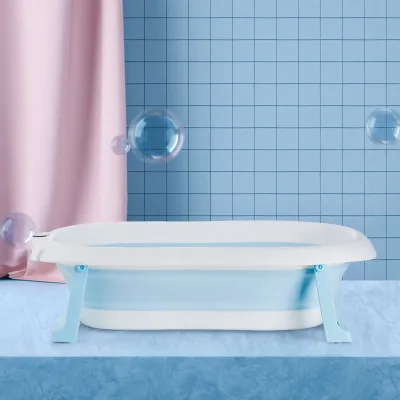
Prices are valid at publication and may change. Please refer to the product page for the latest price.
Unlike therapeutic products or medicines, which must undergo a rigorous pre-market evaluation to receive a registration license, cosmetic products do not go through a pre-market approval process by the HSA. Instead, the HSA operates a cosmetic notification system. Under this framework, the local company responsible for importing or manufacturing the baby bath product must submit a product notification to the HSA before the product can be sold to the public.
This notification process serves as a declaration by the company that the product complies with all safety requirements, does not contain prohibited substances, and is manufactured under hygienic conditions. It is a post-market surveillance system, meaning the HSA monitors the market and conducts random audits or acts on consumer complaints rather than testing every single bottle of baby wash before it goes on sale.
Therefore, the legal responsibility for ensuring the safety, quality, and accurate labeling of baby bathing products rests entirely on the manufacturer and the local importer. They must ensure that all ingredients used are safe for infant skin and that any claims made on the packaging are truthful and substantiated. When parents search for trusted local distributors or platforms, understanding this regulatory structure helps set realistic expectations about what “HSA compliance” actually means.
How to Verify Product Status on the HSA Portal
Because there is no physical “HSA Certified” logo issued for cosmetics, parents must take an active role in verifying whether a baby bathing product has been properly notified. The HSA provides a public, searchable database on its official website where consumers can check the status of cosmetic products sold in Singapore. This portal is a valuable tool for parents who want to ensure that the products they use on their infants are legally registered.

To verify a product, you can visit the official HSA website and navigate to the “Search Cosmetic Products Notification” database. Once there, you can search using various parameters, such as the exact product name, the brand name, or the name of the local company responsible for importing the item. When searching for brands like Lucky Baby, typing the brand name into the search field should display all notified products associated with that name.
When reviewing the search results, pay close attention to the details provided. A valid notification will list the exact product name, the country of manufacture, and the name of the local company that submitted the notification. It is important to ensure that the product name on the database matches the name on the physical bottle exactly, as minor variations in spelling or product sub-names can indicate a different formulation or an unnotified parallel import.
If a specific baby bathing product or brand does not appear in the public HSA database, it does not automatically mean the product is dangerous, but it does raise a red flag. It could mean the product is a parallel import that has bypassed the local notification process, or it could be an unregulated item sold by unauthorized online sellers. In such cases, the safest course of action is to avoid purchasing the product and contact the local distributor or the HSA for clarification.
Essential Safety Checks on Baby Bath Product Labels
While verifying a product’s notification status with the HSA is an important first step, it does not guarantee that a specific formulation is suitable for your baby’s unique skin type. Infant skin is significantly thinner and more sensitive than adult skin, making it highly susceptible to dryness, irritation, and chemical absorption. Therefore, parents must develop practical label-reading skills to assess the safety of baby bathing products independently.
Many baby washes feature prominent marketing claims such as “hypoallergenic,” “pediatrician-tested,” or “natural.” It is essential to understand that these terms are not strictly defined or standardized under cosmetic regulations. A “hypoallergenic” claim simply means the product is formulated to minimize the risk of allergic reactions, but it does not guarantee that no reaction will occur. Parents should look past these front-of-pack claims and scrutinize the ingredient list on the back.
When checking the ingredient list, look out for common irritants that are best avoided for sensitive infant skin. Sulfates, such as Sodium Lauryl Sulfate (SLS) or Sodium Laureth Sulfate (SLES), are common foaming agents that can strip the skin of its natural oils, leading to dryness and irritation. Synthetic fragrances and artificial colorants are also frequent triggers for contact dermatitis in babies. Additionally, certain preservatives, such as parabens or formaldehyde-releasing agents, should be avoided in favor of gentler, food-grade preservatives.
Traceability is another critical factor in baby product safety. A reputable baby bathing product should always feature clear manufacturer details, the address of the local importer or distributor, a visible batch number, and an expiry date. The batch number is particularly important because it allows the manufacturer to trace the product back to its production run in the event of a product recall or quality issue. If a label lacks this basic traceability information, it is best to choose an alternative product.
Recognizing Adverse Reactions and When to Stop Use
Even when using a properly notified and carefully selected baby bath product, there is always a small risk that an infant may experience an adverse reaction. Because babies cannot communicate their discomfort verbally, parents must remain vigilant and monitor their child’s skin closely during and after bath time. Recognizing the early signs of skin irritation can prevent a minor reaction from escalating into a more severe skin condition.
Common observable signs of a localized skin reaction include sudden redness, dry or flaky patches, hives, small raised bumps, or persistent scratching and fussiness after a bath. These symptoms typically appear in areas that have direct contact with the bath water or the soap, such as the limbs, torso, or skin folds. If you notice any of these signs, it is important to act quickly and calmly.
The immediate, low-risk step to take is to discontinue the use of the suspected product immediately. Gently rinse the baby’s skin with lukewarm, plain water to remove any remaining residue of the bath product, and pat the skin dry with a soft, clean towel. Avoid applying any other scented lotions, creams, or home remedies to the affected area, as these can further irritate the skin barrier.
While many mild skin reactions resolve on their own within a few hours or days after stopping the product, some situations require professional medical attention. You should stop home care and consult a pediatrician immediately if the rash spreads rapidly across the body, if the skin becomes broken, raw, or starts to ooze, or if the baby develops a fever or shows signs of extreme distress. A qualified medical professional can provide an accurate diagnosis and prescribe appropriate treatments, such as mild topical ointments, to soothe the skin.
Frequently Asked Questions (FAQ)
Do all baby skincare products need HSA approval before sale?
No, baby skincare products do not require pre-market approval or a formal certificate from the HSA before they can be sold in Singapore. Instead, they are regulated under the cosmetic notification framework. This means the local importer or manufacturer must notify the HSA of the product’s ingredients and safety compliance before placing it on the market. Pre-market approval is reserved for therapeutic products, medicines, and medical devices, which undergo a much stricter evaluation process.
What should I do if I suspect a counterfeit baby bathing product?
If you suspect that you have purchased a counterfeit or unregulated baby bathing product, you should stop using it immediately to protect your baby’s health. Do not attempt to test the product further. You should report the suspicious product, along with details of where and from whom you purchased it, to the HSA or the Consumers Association of Singapore (CASE). Purchasing baby care products only from established physical retailers, official brand stores, or authorized online distributors is the best way to avoid counterfeit goods.

Community discussion
Share your experience or ask a question. Comments are reviewed before publication.