
Parents in Singapore are constantly searching for the ideal baby bottle that balances safety, ease of cleaning, and baby acceptance. Konny, a brand widely recognized for its ergonomic baby carriers, has expanded its footprint into baby feeding products, including baby bottles. Deciding whether Konny is the right choice compared to long-standing household names requires looking closely at material specifications, nipple design, and daily maintenance routines.
While established brands have decades of clinical presence, Konny appeals to modern parents seeking streamlined aesthetics and thoughtful design details. Ultimately, the best bottle is the one your baby accepts and that fits seamlessly into your sterilization and feeding workflow. Evaluating Konny involves comparing its core features against the rigorous demands of daily infant care.
Understanding Konny Baby Bottles: Key Features and Design
When evaluating Konny baby bottles, the first aspect to consider is the material composition. High-quality baby bottles are typically manufactured from glass, polyphenylsulfone (PPSU), or silicone. PPSU is highly favored by parents in Singapore due to its lightweight nature, high durability, and ability to withstand repeated sterilization cycles without degrading. Glass offers excellent chemical stability but carries a risk of breakage, while silicone provides a soft, squeezable texture. Parents should inspect the product packaging to confirm which material a specific Konny bottle model uses, as properties vary significantly between these options.
Products mentioned in this guide
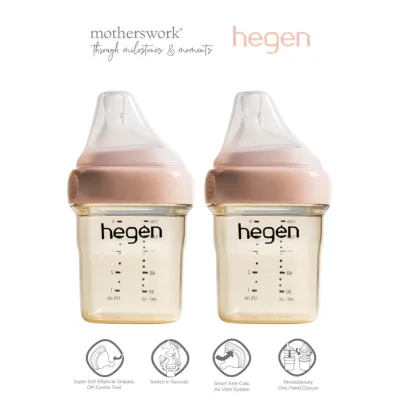
Prices are valid at publication and may change. Please refer to the product page for the latest price.
Nipple design is the most critical interface for a developing infant, as it directly impacts latch success and feeding comfort. Konny designs its nipples to mimic the natural shape and flexibility of a mother’s breast during nursing, aiming to ease the transition between breast and bottle. Flow rates must align with your baby’s developmental stage; newborns require a slow, controlled flow to prevent choking, while older infants need faster flows. Check the manufacturer’s age recommendations on the packaging, but always observe your baby’s actual feeding behavior to determine if the flow rate is appropriate.
Anti-colic venting systems are designed to minimize the amount of air a baby swallows during feeding, which can help reduce gas, spit-up, and fussiness. Some brands use complex internal straws or multi-part valves, which can be tedious to clean and assemble. Konny utilizes integrated venting valves built directly into the silicone nipple. This design simplifies assembly and reduces the number of loose parts to wash, though parents must ensure the vent is fully open and clear of debris before each feed.
How Konny Compares to Established Brands in Singapore
Established brands in Singapore, such as Pigeon, Hegen, and Philips Avent, have distinct nipple shapes and latch dynamics. Pigeon’s SofTouch is a staple for wide-neck bottles, while Hegen features an asymmetrical nipple designed to mimic natural breast positioning. Konny’s nipple shape offers its own contour designed for a secure latch. Because babies have individual oral anatomy and sucking strengths, latch preference is highly subjective; a bottle that works perfectly for one infant may be rejected by another.

In Singapore’s humid climate, thorough sterilization is a daily priority for parents. PPSU bottles from Konny and other premium brands generally withstand high temperatures, making them compatible with steam, boiling water, and UV sterilizers. However, silicone components and certain plastic collars may have lower temperature thresholds. Always cross-reference the manufacturer’s specifications for each individual component before placing them in high-heat or UV sterilizers, as exceeding these limits can accelerate material degradation.
The physical design of a bottle directly impacts how easy it is to maintain hygiene. Wide-neck bottles, like those offered by Konny and several popular competitors, allow parents to easily reach the bottom with a standard bottle brush without needing specialized narrow brushes. Furthermore, systems with fewer parts reduce the risk of mold growth in hidden crevices. When comparing Konny to brands with intricate internal venting tubes, Konny’s integrated nipple vent presents a lower maintenance burden, saving valuable time for busy caregivers.
| Feature | Konny Baby Bottles | Standard Wide-Neck Bottles | Premium Ergonomic Bottles |
|---|---|---|---|
| Primary Materials | PPSU, Silicone | PP, Glass, PPSU | PPSU, Silicone, Glass |
| Neck Width | Wide-neck design | Standard wide-neck | Ultra-wide or square-neck |
| Venting System | Integrated nipple valve | Anti-colic valve or internal straw | Specialized base or collar vent |
| Sterilization Compatibility | Steam, Boiling, UV (verify labels) | Steam, Boiling, UV | Steam, Boiling, UV |
| Nipple Flow Options | Multiple developmental stages | Multiple developmental stages | Multiple developmental stages |
Evaluating Quality and Safety Standards
Chemical safety is paramount when selecting infant feeding gear. Parents should look for explicit BPA-free and BPS-free declarations on the packaging of Konny bottles and any alternative brands. Bisphenol A (BPA) and Bisphenol S (BPS) are synthetic compounds historically used in plastics that can mimic hormones, so verifying their absence is a critical first step. Additionally, check for recognized international safety standards or local consumer product safety marks to ensure the materials meet rigorous testing guidelines.
Different sterilization methods place different stresses on bottle materials. Steam and boiling water are traditional, highly effective methods, but UV sterilization has gained immense popularity in Singaporean households. Some plastics and silicones can discolor or become brittle faster when exposed to UV light. Carefully read the manufacturer’s instruction manual to verify if the specific bottle model is rated safe for UV sterilizers, and adhere strictly to the recommended cycle times to prolong the lifespan of the product.
No baby bottle or nipple lasts indefinitely. Silicone nipples typically require replacement every one to two months, or immediately if they show signs of tearing, stickiness, discoloration, or a changed flow rate. PPSU bottles are highly durable but should be replaced if they exhibit deep scratches, cloudiness, or structural warping. Glass bottles must be inspected before every single feed for hairline cracks or chips, especially around the rim, to prevent injury to the infant.
Price, Value, and Availability in Singapore
In the Singapore market, baby bottles span a wide price spectrum. Budget-friendly options often utilize PP (polypropylene) plastic, which is less durable over repeated sterilization cycles. Premium options, including PPSU and specialized silicone bottles, sit at a higher price point, representing a larger upfront investment. Konny’s pricing generally positions it within the premium tier, reflecting its use of high-grade materials like PPSU and its specialized ergonomic designs. Parents should weigh this initial investment against the expected lifespan of the bottle.
When calculating the true cost of a bottle system, look beyond the single-bottle purchase price. Multi-packs and starter sets often provide better value per unit. Additionally, factor in the ongoing cost of replacement nipples as your baby grows and requires faster flow rates. If a brand’s replacement nipples are difficult to source individually or are priced high, the long-term cost of ownership rises significantly. Compare the availability and pricing of Konny’s replacement nipples against established brands that are widely stocked in local stores.
To ensure you are purchasing genuine, safe products, always buy from authorized distributors, official brand stores, or reputable online marketplaces. Counterfeit baby products can bypass safety regulations and may contain harmful chemicals or structural defects. In Singapore, official flagship stores on major e-commerce platforms or established local mother-and-baby specialty retailers are the safest channels. Avoid purchasing from unverified third-party sellers who cannot provide proof of authenticity.
Making the Final Decision: Is Konny Right for Your Baby?
Choosing between Konny and other popular brands comes down to a few practical considerations. Consider Konny if you prefer a wide-neck bottle that is exceptionally easy to clean, features an integrated anti-colic vent to minimize parts, and utilizes high-quality PPSU material. Its aesthetic appeal and ergonomic shape also make it a comfortable choice for parents who value modern design alongside functionality.
On the other hand, established brands might be more suitable if your baby has highly specific feeding needs. For instance, if your infant requires specialized medical-grade nipples, unique narrow-neck designs, or complex venting systems designed for severe colic, brands with extensive clinical histories and wider nipple variety may offer a more tailored solution. Furthermore, if immediate, off-the-shelf availability at any local supermarket or pharmacy is a priority, older, more ubiquitous brands hold a clear advantage.
Before committing to a full set of any bottle brand, buy a single bottle to test. Observe your baby’s reaction, checking for signs of bottle refusal, excessive gas, or milk leaking from the corners of the mouth. Always supervise your infant during feeding times; never leave a baby unattended with a bottle, as this poses a choking hazard. If your baby has a history of severe colic, reflux, or persistent feeding difficulties, consult a qualified pediatrician or a certified lactation consultant to get personalized guidance on the best nipple shape and flow rate for your child’s specific feeding mechanics.
Frequently Asked Questions (FAQ)
How do I know if my baby prefers Konny nipples over other brands?
Observe your baby’s behavior during and after feeding. A successful latch is characterized by a wide mouth seal around the base of the nipple, steady sucking rhythms, and minimal milk leaking from the mouth. If your baby frequently spits out the nipple, cries during feeds, swallows excessive air, or takes an unusually long time to finish a bottle, they may be struggling with the nipple shape or flow rate. Testing a single bottle before purchasing a multi-pack is the most practical way to assess preference.
Can I mix Konny bottles with other brands for feeding?
It is generally highly recommended to keep bottle and nipple systems unified within the same brand. Mixing a Konny nipple with another brand’s bottle collar, or vice versa, increases the risk of cross-threading, which leads to leaks and spills. Furthermore, mismatched components can compromise the integrity of the anti-colic venting system, potentially causing the nipple to collapse or allowing excess air into the milk. Unless a manufacturer explicitly states cross-compatibility, avoid mixing parts.
What is the best way to sterilize Konny baby bottles?
The safest method depends on the specific materials of the bottle components. For PPSU bottles, steam sterilization, boiling water, and UV sterilizers are generally safe, provided you adhere to the temperature limits specified in the user manual. Silicone nipples should be sterilized carefully, as prolonged exposure to extreme heat or UV rays can cause the material to degrade, become sticky, or discolor. Always wash all parts thoroughly with mild bottle detergent and warm water to remove milk residue before sterilizing, and avoid harsh chemical sterilizing tablets unless approved by the manufacturer.
Community discussion
Share your experience or ask a question. Comments are reviewed before publication.