
Is Kodomo Fabric Softener Safe for Newborns?
Determining whether a fabric softener is safe for your newborn requires looking beyond the brand name on the packaging. Kodomo is a widely recognized brand in the baby-care space, but its product lineup includes various formulations, some of which are better suited for infant laundry than others. The safety of using a Kodomo fabric softener on newborn clothing depends heavily on the specific variant you choose and your individual baby’s skin type.
While baby-specific variants of Kodomo fabric softener are formulated to be milder than standard household softeners, they are not universally guaranteed to be free of irritants for every infant. Newborn skin is exceptionally delicate, and even products designed for babies can occasionally trigger reactions. If your infant has typical, healthy skin, a baby-specific, dermatologically tested formulation may be tolerated well when used correctly. However, if your baby has a history of eczema, extreme dryness, or highly sensitive skin, even specialized softeners can introduce unnecessary risks.
Parents must recognize that “safe” is a relative term when it comes to topical exposures and laundry residues. A product that causes no reaction in one infant might cause a flare-up in another, particularly during the first few months of life when the skin barrier is still developing. Rather than assuming all products under a trusted brand name are safe, you must carefully evaluate the specific formulation, check the ingredient list, and monitor your baby’s skin for any signs of discomfort.
Products mentioned in this guide
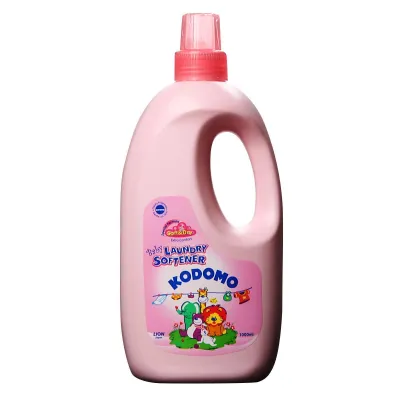
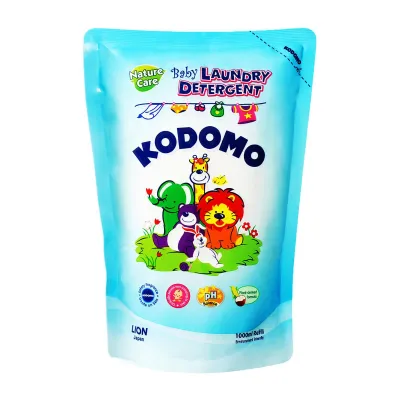
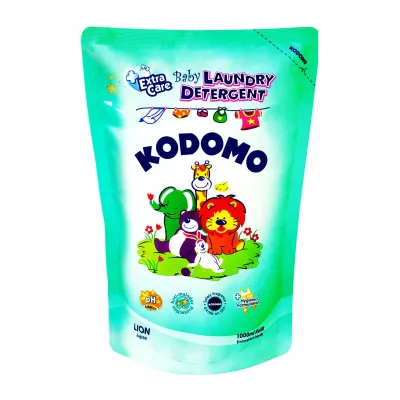
Prices are valid at publication and may change. Please refer to the product page for the latest price.
Before introducing any laundry additive to your newborn’s clothing, swaddles, or bedding, verify the specific product label. Look for clear indications that the variant is designed specifically for infants and formulated to minimize skin irritation. Relying on general brand reputation is not a substitute for reading the fine print on the back of the bottle.
Why Newborn and Sensitive Skin React to Fabric Softeners
To understand why fabric softeners can pose a risk, it is helpful to look at the unique biology of newborn skin. An infant’s skin is structurally different from adult skin; it has a significantly thinner stratum corneum, which is the outermost protective layer of the epidermis. This thinness, combined with a higher surface-area-to-volume ratio, makes a newborn’s skin highly permeable and far more susceptible to absorbing environmental chemicals and experiencing topical irritation.

Fabric softeners achieve their smoothing effect by leaving a microscopic chemical coating on the surface of fabric fibers. The primary active ingredients responsible for this are cationic surfactants, which carry a positive electrical charge that binds to the negatively charged fibers of the clothing. While this coating reduces static and makes the fabric feel plush to the touch, it also remains embedded in the clothing that sits directly against your baby’s skin. This lingering chemical residue can act as a constant physical and chemical irritant.
In warm and humid climates like Singapore’s, where relative humidity levels are consistently high, this microscopic coating presents additional challenges. The chemical film left by fabric softeners can reduce the natural breathability of cotton fabrics, trapping sweat and body heat against the baby’s skin. This trapped moisture can disrupt the delicate skin barrier, leading to friction-induced irritation, heat rash (miliaria), or sudden flare-ups of infant eczema.
It is also important to distinguish between irritant contact dermatitis and true allergic contact dermatitis when evaluating skin reactions. Irritant contact dermatitis is a non-immunological reaction caused by direct physical or chemical damage to the skin barrier, often triggered by the abrasive texture of coated fibers or mild chemical irritants. Allergic contact dermatitis, on the other hand, is an immune-mediated response to specific sensitizing agents, such as synthetic fragrances, artificial dyes, or certain preservatives. Both types of reactions require parents to immediately eliminate the triggering product from the laundry routine.
How to Evaluate Kodomo Softener Labels for Baby Clothes
When shopping for laundry products at local supermarkets, baby specialty stores, or online marketplaces, parents must learn to analyze product labels systematically. Do not rely solely on cute packaging illustrations or general brand placement. Instead, look for specific, verifiable claims printed on the container that indicate a milder formulation.
Key Label Claims to Identify:
- Baby or Infant Formulation: Ensure the product is explicitly marketed for baby laundry, as these variants are generally formulated with milder surfactants than standard adult softeners.
- Dermatologically Tested: This indicates the formulation has undergone clinical patch testing on human subjects to assess its irritation potential. While reassuring, remember that this is a marketing specification and does not guarantee your baby will not experience a reaction.
- Fragrance-Free or Low-Fragrance: Look for variants that either completely omit synthetic perfumes or use extremely mild, hypoallergenic scent profiles designed specifically for sensitive skin.
- Dye-Free: Artificial colorants serve no functional purpose in fabric softeners and only introduce unnecessary chemical compounds to your baby's clothing.
Avoid using standard, heavily scented, or adult-oriented Kodomo fabric softeners on any items that will come into direct contact with your newborn. This includes not only their daily outfits but also swaddles, blankets, crib sheets, and even the clothing worn by parents or caregivers who frequently hold the infant against their chest.
If your baby has a diagnosed skin condition like eczema, you must cross-reference the softener’s ingredient list with any known allergens identified by your pediatrician. Be particularly cautious of products where “fragrance” or “parfum” is listed high on the ingredient deck. Synthetic fragrances are among the most common culprits behind pediatric skin sensitization, and avoiding them entirely is often the safest path for highly sensitive skin.
Best Practices for Washing Newborn Clothes Safely
When establishing a laundry routine for your newborn, it is helpful to reassess whether fabric softener is truly necessary. In most cases, fabric softeners are entirely optional. Modern baby laundry detergents are formulated to clean fabrics thoroughly while keeping fibers reasonably soft, meaning you can easily achieve clean, safe laundry without adding a separate softening agent.
If you decide to use a baby-safe Kodomo fabric softener, proper dosing is critical to preventing chemical buildup. Always use less than the manufacturer’s recommended amount; starting with half or even a third of the suggested dose is often sufficient to reduce fabric stiffness without leaving a heavy residue on the clothing. Overusing fabric softener leads to an accumulation of surfactants that are incredibly difficult to wash out.
To minimize the risk of skin irritation, always program your washing machine to run an extra rinse cycle. This additional step ensures that any lingering detergent and fabric softener residues are thoroughly flushed out of the fabric fibers before the clothes are dried. This is particularly important in Singapore, where indoor drying or drying in compact service yards can sometimes limit the physical agitation that helps shake out chemical residues.
For parents looking to maintain fabric softness naturally without chemical additives, several safe alternatives exist. If you use a tumble dryer, wool dryer balls are an excellent option; they physically agitate the clothing, separating the fibers and softening the fabric naturally as they tumble. If you prefer air-drying your laundry on a balcony or in a well-ventilated service yard, try shaking each garment out vigorously before hanging it up to dry. This simple physical action helps prevent the cotton fibers from drying in a stiff, matted state.
Finally, observe strict safety boundaries regarding which fabrics should never come into contact with softeners. Never use fabric softeners on cloth diapers, as the cationic surfactant coating will make the fabric water-repellent, ruining its absorbency and leading to leaks and severe diaper rash. Additionally, do not use softeners on flame-resistant sleepwear, as the chemical coating can coat the fibers and significantly reduce the garment’s flame-retardant properties. Always consult the care labels on your baby’s clothing and the manufacturer’s instructions before washing.
Recognizing and Managing Skin Reactions
Despite your best efforts, your newborn may still develop a skin reaction to laundry products. Recognizing the early signs of topical irritation allows you to take swift, corrective action before the condition worsens or becomes highly uncomfortable for your infant.
Common Signs of Laundry-Induced Skin Irritation:
- Localized Redness: Pink or red patches appearing on areas of the skin that have direct, continuous contact with clothing.
- Dry, Rough Patches: Areas of skin that feel unusually dry, flaky, or rough to the touch.
- Friction-Zone Rashes: Rashes that develop or worsen in areas where clothing fits snugly or rubs against the skin, such as the back of the neck, armpits, wrists, thighs, and the diaper line.
- Increased Fussiness: Unexplained irritability or rubbing behaviors, which can indicate that the baby's clothing is causing itching or physical discomfort.
- Eczema Flare-Ups: Sudden worsening of existing eczema patches, characterized by increased dryness, redness, and inflammation.
If you suspect your baby is reacting to a fabric softener, immediately stop using the product. Switch your entire laundry routine to a strict, fragrance-free, hypoallergenic baby detergent, and eliminate all optional additives, including softeners, scent boosters, and bleach.
To resolve the issue completely, you must strip the existing chemical residues from your baby’s current wardrobe. Gather all of the baby’s recently washed clothes, bedding, swaddles, and blankets, and re-wash them using only a gentle, fragrance-free detergent. Run these items through multiple extra rinse cycles to ensure any lingering softener buildup is completely flushed from the fabric fibers.
While mild irritant contact dermatitis often resolves on its own once the trigger is removed, you must know when to seek professional medical help. Consult a registered pediatrician or pediatric dermatologist if the rash persists for more than a few days, spreads to other areas of the body, causes visible distress, or shows any signs of infection, such as oozing, weeping, yellow crusting, or feeling warm to the touch. Do not attempt to self-diagnose or apply over-the-counter medicated creams without explicit guidance from a healthcare professional.
Frequently Asked Questions (FAQ)
Do I really need to use fabric softener for baby clothes?
No, fabric softener is entirely optional for baby clothes. Most infant garments are made from soft, natural cotton, which is naturally gentle on newborn skin and does not require chemical softening. Modern baby detergents are specifically formulated to clean fabrics thoroughly without leaving stiff residues, making softeners unnecessary for standard laundry. Furthermore, fabric softeners must be strictly avoided on cloth diapers and flame-resistant sleepwear, as the chemical coating compromises their water absorbency and flame-retardant properties, respectively.
Can I use regular Kodomo softener if I just use a smaller amount?
No, using a smaller amount of regular household Kodomo fabric softener is not recommended for newborn clothing. Diluting a standard formulation does not eliminate the potentially irritating chemical compounds, synthetic fragrances, artificial dyes, or strong preservatives that are present in the product. If your baby has sensitive skin or eczema, it is far safer to completely avoid standard household softeners and opt for a dedicated, fragrance-free, hypoallergenic variant specifically formulated and labeled for babies.
Community discussion
Share your experience or ask a question. Comments are reviewed before publication.