
Welcoming a newborn brings a flurry of laundry, from tiny cotton onesies to delicate swaddle blankets. Parents in Singapore often turn to specialized baby brands like Kodomo to keep these fabrics soft and comfortable against their infant’s skin. While baby-specific formulations like Kodomo fabric softener are designed to be significantly gentler than standard adult laundry products, determining whether it is entirely safe for your newborn depends heavily on your baby’s unique skin barrier.
For infants with highly sensitive skin or diagnosed conditions like eczema, even specialized baby softeners can sometimes trigger irritation. There is no universal “safe” product for every single infant, as individual skin sensitivities vary widely. The safety of any laundry additive is highly conditional on the specific formulation and your baby’s skin tolerance.
Before introducing any softener to your laundry routine, you must inspect the specific product packaging for fragrance details and potential preservatives. Conducting a targeted patch test on a single garment is the most reliable way to verify compatibility before washing your newborn’s entire wardrobe.
Products mentioned in this guide
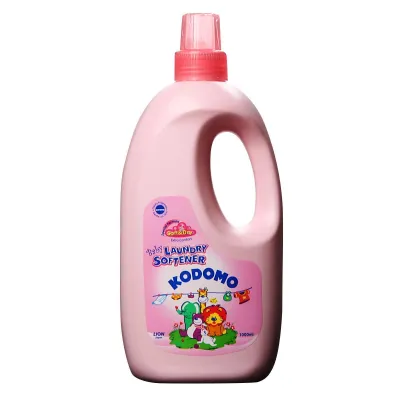
Prices are valid at publication and may change. Please refer to the product page for the latest price.
Why Newborn and Eczema-Prone Skin Reacts to Fabric Softeners
Understanding why infant skin is so vulnerable helps clarify the risks associated with laundry additives. A newborn’s skin is structurally different from adult skin, being significantly thinner and highly permeable. During the first few months of life, a baby’s protective skin barrier and acid mantle are still developing, making it incredibly easy for environmental irritants and chemical residues to penetrate the outer layers.
Fabric softeners are formulated to deposit a microscopic, lubricating layer over textile fibers. This thin chemical coating reduces static electricity and makes fabrics feel noticeably smoother against the skin. However, this very mechanism means that active ingredients, synthetic fragrances, and preservatives remain bound to the clothing fibers rather than washing away during the rinse cycle.
When these residual chemicals rub against a compromised skin barrier, such as in babies prone to eczema, they can cause friction, trap moisture, or directly trigger contact dermatitis. The microscopic coating can also prevent the fabric from breathing naturally, leading to localized heat and sweat retention on the baby’s skin.
In Singapore’s warm and highly humid climate, this issue can become particularly pronounced. High ambient humidity means that any chemical residue left on clothing can mix with sweat, exacerbating skin friction and increasing the likelihood of prickly heat or eczema flare-ups. If clothes are not thoroughly rinsed and dried, the combination of moisture and softener residue creates a prime environment for skin irritation.
What to Check on the Kodomo Softener Label Before Use
To make an informed decision, you must carefully evaluate the specific bottle of Kodomo softener you plan to purchase. Not all formulations under the same brand are identical, and product ingredients can change over time or vary by region.

Fragrance Profile
Start by checking the label for fragrance or perfume listings. While many parents love the classic “baby smell,” added synthetic fragrances are among the most common triggers for allergic contact dermatitis in infants. If your newborn has highly sensitive skin or a family history of eczema, look for variants that are explicitly labeled as fragrance-free or designed for ultra-sensitive skin. If a product contains even a mild scent, it carries a higher risk of irritating an infant’s delicate skin and respiratory tract.
Certifications and Claims
Look for manufacturer claims on the packaging, such as “dermatologist-tested,” “hypoallergenic,” or “clinically proven gentle.” While these labels indicate that the manufacturer has conducted safety evaluations, it is important to remember that these terms are not globally standardized medical guarantees. They simply mean the product has met specific testing criteria set by the brand. If your baby has a diagnosed skin condition, always cross-reference these claims with your pediatrician’s or dermatologist’s specific recommendations.
Ingredient Transparency
Examine the back of the bottle for a complete list of ingredients, paying close attention to preservatives and colorants. Harsh preservatives, such as certain methylisothiazolinone compounds or artificial dyes, can easily irritate sensitive skin. If the full ingredient list is not printed directly on the packaging, do not guess. Visit the manufacturer’s official website or contact their customer service channels to verify the formulation before allowing the product to touch your newborn’s clothing.
Safe Washing and Rinsing Practices to Minimize Residue
If you choose to use Kodomo fabric softener, adopting precise laundry habits can significantly reduce the risk of chemical buildup and subsequent skin irritation.
Dosage Control
Always use less than the maximum recommended amount indicated on the bottle cap. For baby laundry, a minimal dose is usually more than enough to achieve the desired softness. Overdosing is the primary cause of heavy chemical buildup on fabric fibers, which not only irritates skin but can also make fabrics feel greasy and reduce their natural absorbency over time.
Extra Rinse Cycles
Configure your washing machine to run an “extra rinse” cycle for every load of baby clothes. This additional flush of clean water helps strip away loose softener particles and residual detergent from the fabric fibers. Ensuring that the rinse water runs completely clear is one of the most effective ways to prevent chemical contact with your newborn’s skin.
Load Separation
Always wash your newborn’s clothes, blankets, and bedding separately from adult garments. Adult laundry often requires stronger detergents, stain removers, bleach, and heavily fragranced softeners. Washing them together can lead to cross-contamination, leaving trace amounts of harsh chemicals on your baby’s delicate clothing.
Thorough Drying
Ensure that every item is completely dry before folding and storing it in your baby’s wardrobe. In Singapore’s humid climate, drying clothes can sometimes be a challenge, leading to damp fibers. Dampness combined with fabric softener residue can create a breeding ground for bacteria and mold, which can rapidly trigger severe skin rashes and respiratory discomfort. If you dry clothes indoors, ensure the space is well-ventilated or use a dehumidifier.
How to Spot Skin Irritation and When to Stop Use
Monitoring your baby’s skin closely when introducing any new laundry product is essential for early detection of contact sensitivity.
Visual and Behavioral Signs
Keep a close eye out for physical changes on your baby’s skin, particularly in areas where clothing fits snugly, such as the neck, wrists, thighs, and diaper line. Look for localized redness, dry or rough patches, small red bumps, or hives. Behavioral changes can also indicate discomfort; if your baby becomes unusually fussy, restless, or attempts to scratch or rub their skin against bedding shortly after being dressed in freshly washed clothes, they may be experiencing skin irritation.
The Patch Test Method
Before washing an entire load of baby clothes with Kodomo softener, perform a controlled patch test. Wash a single, non-essential item, such as a small baby blanket or a basic cotton onesie, using your normal baby detergent and a small amount of the softener. Allow your baby to wear or use this single item for a full day while keeping a close watch for any signs of redness or irritation. This localized test helps isolate the fabric softener as a potential trigger before exposing your baby’s entire body to the treated fabric.
When to Stop and Seek Help
If you observe any signs of skin irritation, stop using the fabric softener immediately. Remove the affected clothing and rewash all of your baby’s garments and bedding with plain water or a strict, fragrance-free sensitive-skin laundry detergent to strip away any remaining residue. Do not attempt to self-diagnose the rash or apply medicated creams without professional guidance. If the rash persists for more than a few days, worsens, spreads, or if your baby shows signs of distress or fever, consult a qualified pediatrician or dermatologist promptly.
Gentle Alternatives for Softening Baby Clothes
If your newborn has extremely reactive skin, or if you prefer to avoid chemical additives altogether, several safe and practical alternatives can keep baby clothes soft.
Wool Dryer Balls
If you use a clothes dryer, wool dryer balls are an excellent, chemical-free alternative. As they tumble with your laundry, they mechanically soften the fabric fibers, reduce static cling, and gently loft the clothes. They contain no synthetic fragrances or chemical residues, making them completely safe for newborns with eczema or sensitive skin.
White Vinegar Rinse
Adding a small amount of distilled white vinegar (about one-quarter of a cup) to your washing machine’s fabric softener dispenser is a highly effective natural softening method. The mild acidity of the vinegar helps break down residual detergent minerals that make clothes feel stiff, and it naturally neutralizes odors. Ensure your machine runs a thorough rinse cycle so no vinegar scent remains. Avoid using vinegar too frequently on garments with high elastic content, as the acidity can degrade elastic fibers over time.
Skipping Softener Altogether
It is worth noting that modern baby laundry detergents are formulated to clean effectively without leaving fabrics excessively stiff. Natural cotton clothing, which is highly recommended for babies in Singapore’s warm climate, naturally softens with repeated washing and wear. Skipping fabric softeners entirely is often the safest and most straightforward choice for infants with severe eczema or highly reactive skin barriers.
Frequently Asked Questions (FAQ)
Can I mix Kodomo fabric softener with regular adult detergent?
No, you should avoid mixing baby-specific fabric softeners with standard adult detergents. Adult detergents often contain strong surfactants, optical brighteners, and heavy fragrances that can cling to the fabric alongside the softener, defeating the purpose of using a gentle formulation. Keep your newborn’s laundry routine completely separate, using a dedicated, sensitive-skin baby detergent.
Does fabric softener reduce the flame resistance of baby sleepwear?
Yes, fabric softeners can reduce the flame-retardant properties of treated children’s sleepwear. The softening agents deposit a thin, waxy coating over the fabric fibers, which can increase the flammability of the material. Always check the care and safety labels on your baby’s sleepwear, and avoid using any fabric softeners on garments labeled as flame-resistant.
Is Kodomo softener safe for washing cloth diapers?
You should generally avoid using any fabric softeners, including baby-specific brands like Kodomo, on cloth diapers. The conditioning agents in softeners coat the fibers of the diaper, which severely reduces their absorbency and can lead to leaks and diaper rash. To keep cloth diapers clean and absorbent, stick to a simple, residue-free baby detergent and skip the softener entirely.
Community discussion
Share your experience or ask a question. Comments are reviewed before publication.