
Evaluating whether Kodomo baby laundry detergent is suitable for your baby’s sensitive skin requires looking closely at the specific formulation on the bottle. Because infant skin is significantly thinner and more permeable than adult skin, residual cleaning agents, fragrances, or preservatives left on fabrics can easily trigger irritation or contact dermatitis. While baby-specific detergents are generally formulated to be milder than standard adult detergents, parents must verify the exact ingredient list on their specific product packaging to ensure it aligns with their child’s unique skin sensitivities.
Why Ingredient Transparency Matters for Sensitive Skin
A baby’s skin barrier is highly delicate and behaves differently than mature adult skin. During the first few years of life, the outer layer of skin is thinner, loses moisture more rapidly, and is highly susceptible to absorbing environmental irritants. Because of this structural vulnerability, substances that cause no reaction in adults can easily penetrate an infant’s skin barrier, leading to dryness, redness, or localized inflammation.
Laundry detergent residues present a unique challenge because of their prolonged contact with your baby’s skin. Clothes, bedsheets, swaddles, and reusable diapers wrap your baby’s body throughout the day and night. When a baby sweats, the moisture can reactivate dry detergent residues trapped deep within the fabric fibers. In warm or humid climates, this continuous exposure often intensifies friction and irritation, particularly in skin folds.
Products mentioned in this guide
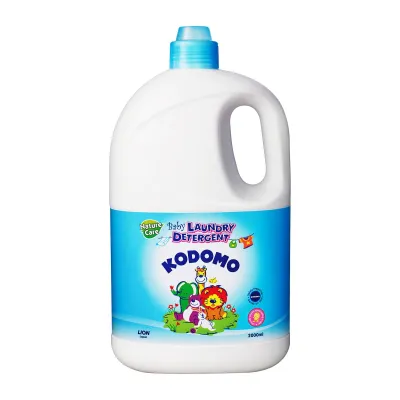
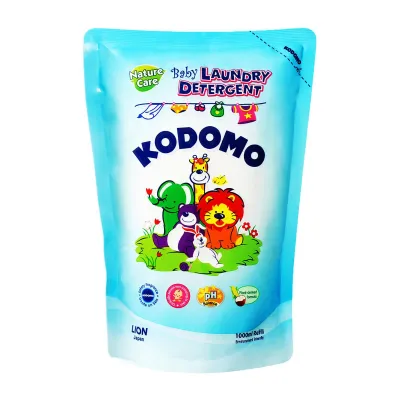
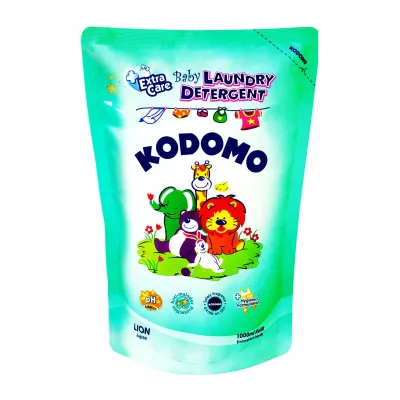
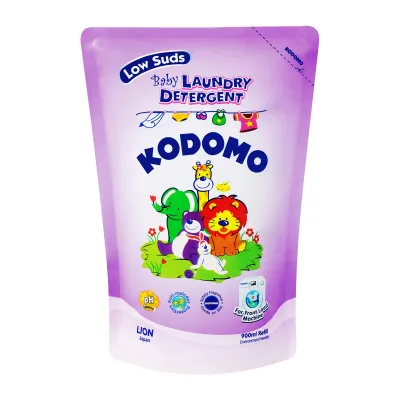
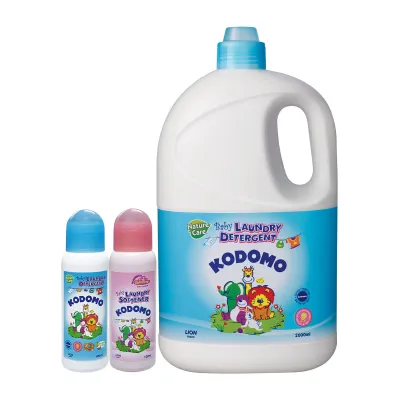
Prices are valid at publication and may change. Please refer to the product page for the latest price.
To protect your baby, it is essential to look past front-of-bottle marketing claims. Terms like “hypoallergenic,” “gentle,” or “dermatologically tested” are helpful starting points, but they are not universally standardized across all regions and brands. Reading the actual ingredient list on the back of the packaging is the only reliable way to confirm what chemicals will come into contact with your child’s skin.
How to Verify the Exact Ingredients in Kodomo Laundry Detergent
To find the most accurate and current ingredient list for Kodomo laundry detergent, always start by reading the physical product label on the bottle or refill pouch you purchase. Manufacturers occasionally update their formulations to improve performance or comply with changing safety standards. The physical label represents the legally required disclosure for that specific batch and is your most reliable source of truth.

If the physical label does not list every component in detail, you can check the manufacturer’s official website or contact their customer service department directly. Requesting a Safety Data Sheet (SDS) or a full ingredient disclosure sheet can provide a comprehensive breakdown of the chemical compounds used. This step is particularly useful if your pediatrician or pediatric dermatologist has identified a specific allergen your baby must avoid.
Keep in mind that formulations can vary significantly depending on the specific product line, region, or format. For example, Kodomo offers several variants, such as liquid detergents, powder detergents, and specialized formulas like those featuring natural extracts or newborn-specific blends. A liquid detergent will use different preservatives and stabilizers than a powder detergent, meaning you must evaluate each product format independently.
Common Detergent Ingredients and Their Impact on Sensitive Skin
Standard laundry detergents are complex mixtures designed to balance cleaning power with fabric care. Understanding how these individual components function allows you to make an informed decision when reviewing the ingredient list on a bottle of Kodomo detergent.
Surfactants and Cleaning Agents
Surfactants are the primary active ingredients responsible for lifting dirt, milk stains, and oils from fabric fibers. They work by lowering the surface tension of water, allowing it to penetrate the fabric and carry away soil. While essential for clean clothes, some surfactants can bind to the proteins in human skin, causing dryness and irritation if they are not completely rinsed away.
When reviewing a detergent label, look for milder, plant-derived surfactants rather than harsh synthetic cleaning agents. For instance, alkyl polyglucosides or coco-glucoside are generally considered gentler on sensitive skin than strong anionic surfactants like Sodium Lauryl Sulfate (SLS). Checking the label for these milder alternatives helps ensure the formula is optimized for infant garments.
Regardless of the surfactant type used, thorough rinsing is critical to preventing skin irritation. Even the mildest cleaning agents can cause a reaction if they build up in fabric fibers over multiple wash cycles. Utilizing an extra rinse cycle on your washing machine is a highly effective way to ensure all surfactant residues are completely flushed out of your baby’s clothing.
Fragrances, Dyes, and Preservatives
Fragrances are among the most common triggers for contact dermatitis and skin sensitivities in infants. This applies to both synthetic fragrance blends and natural essential oils, which are often marketed as gentle but can still contain highly sensitizing compounds. If your baby has eczema or highly reactive skin, choosing a completely fragrance-free formula is often the safest path.
Preservatives and dyes are also common additives that require careful evaluation. Preservatives are necessary in liquid detergents to prevent the growth of bacteria and mold, but certain types, such as methylisothiazolinone or specific parabens, can irritate compromised skin barriers. Dyes are purely aesthetic additions that serve no cleaning purpose and are best avoided in baby laundry care.
When shopping, it is important to understand the distinction between “fragrance-free” and “unscented” labels. A fragrance-free product contains no fragrance chemicals or masking scents whatsoever. An unscented product, however, may contain chemical masking agents designed to neutralize the natural odors of the raw ingredients, which can still trigger reactions in sensitive individuals.
How to Safely Test a New Detergent on Your Baby's Clothes
Before washing your baby’s entire wardrobe with a new detergent, it is wise to perform a controlled home test. Start by washing a small, isolated batch of clothes, or even a single item like a sleep sack or a onesie, using the new detergent. Ensure you follow the manufacturer’s dosage instructions carefully, as using too much detergent makes it harder for your washing machine to rinse the fabric clean.
Once the test garment is washed and dried, have your baby wear it as they normally would. Closely observe their skin over the next 24 to 48 hours, paying close attention to areas where the fabric fits snugly or where sweat tends to accumulate, such as the neck, chest, and thighs. Look for signs of contact dermatitis, which can present as dry patches, redness, small bumps, or unusual fussiness that might indicate itching.
If you notice any signs of skin irritation, stop using the detergent immediately. Remove the garment and wash the affected skin gently with plain water or a pediatrician-approved cleanser. If the rash persists, spreads, or causes your baby significant discomfort, consult a qualified pediatrician or pediatric dermatologist for a professional diagnosis and treatment plan.
Frequently Asked Questions (FAQ)
Can I use regular adult detergent if my baby does not have sensitive skin?
If your baby has no history of dry skin, eczema, or allergies, you may eventually transition to a standard family detergent, but this decision should be approached with caution. It is best to wait until your baby is older and their skin barrier has matured. When choosing a family detergent, look for formulas that are free from strong synthetic fragrances, optical brighteners, and heavy dyes, as these additives can still trigger sudden sensitivities in young children. If you notice any dryness or mild irritation after the switch, immediately revert to a mild, baby-specific formula.
What should I do if my baby develops a rash after washing clothes with a new detergent?
If you suspect a laundry detergent has caused a rash, immediately stop using that product for all of your baby’s laundry. Gather all recently washed clothes, bedding, and towels, and rewash them using a detergent you know your baby tolerates, or run them through a cycle with plain water to strip away any lingering chemical residues. Avoid applying self-diagnosed topical treatments or over-the-counter creams to the rash without professional guidance. Instead, seek advice from a healthcare professional to identify the exact cause of the reaction and receive safe, effective treatment recommendations.
Community discussion
Share your experience or ask a question. Comments are reviewed before publication.