
When welcoming a newborn home, choosing the right bath products is one of the first practical decisions parents face. In Singapore, where the warm, humid climate often leads to multiple daily diaper changes and quick refreshes, finding a gentle cleanser is essential. Many parents consider Kodomo baby body wash due to its widespread availability in local supermarkets and pharmacies. However, before introducing any product to a newborn’s delicate skin, it is crucial to understand its regulatory status and safety profile.
To clarify a common misconception: the Health Sciences Authority (HSA) of Singapore does not issue a formal “HSA certification” or “approval” stamp for cosmetic products, including baby washes. Instead, all cosmetic products sold locally must be notified to the HSA before they can be supplied to the market. Determining whether a specific baby wash is safe for daily use on a newborn requires verifying this notification status, carefully analyzing the ingredient list on the physical packaging, and practicing a cautious, step-by-step introduction to monitor your baby’s unique skin tolerance.
How to Verify HSA Certification for Baby Bath Products
Navigating the regulatory landscape in Singapore is a vital first step for parents who want to ensure their baby care products comply with local safety standards. The Health Sciences Authority (HSA) regulates cosmetics, which include baby body washes, shampoos, and lotions, under the Health Products (Cosmetic Products) Regulations. This framework requires local importers, manufacturers, or distributors to submit a product notification to the HSA before placing the item on retail shelves.
Products mentioned in this guide
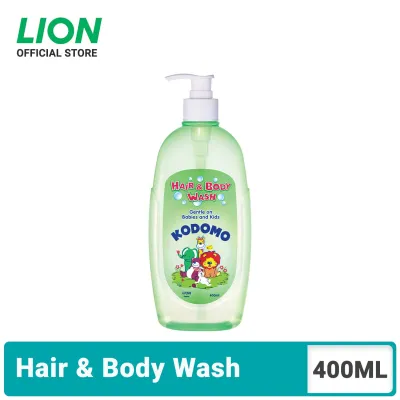
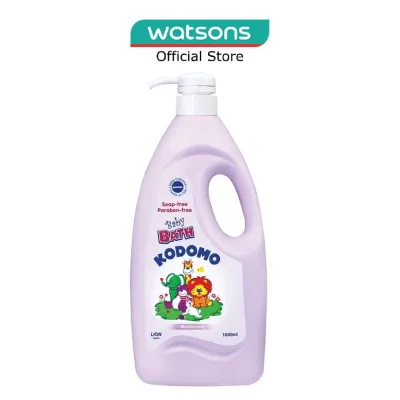
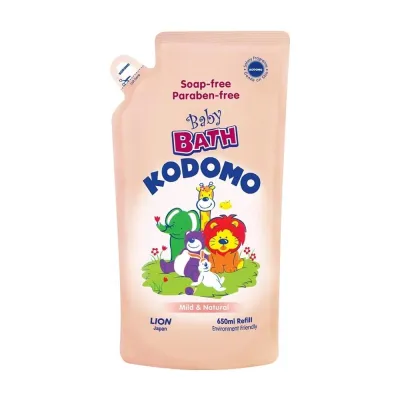
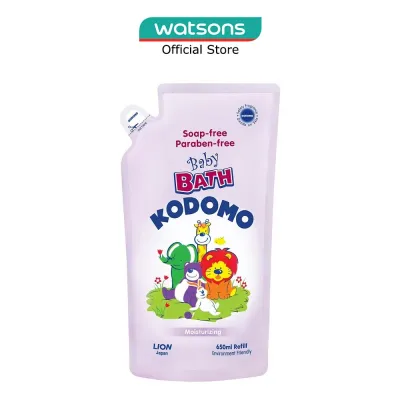
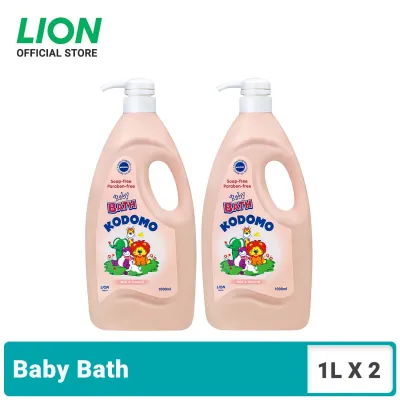
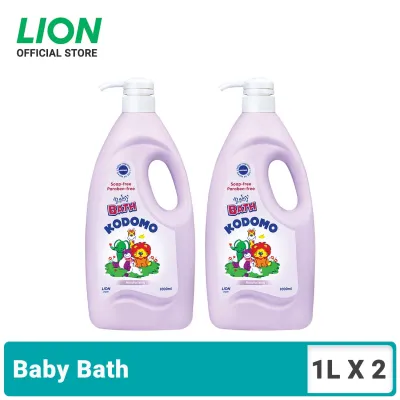
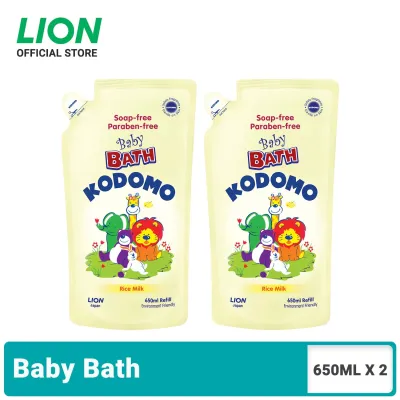
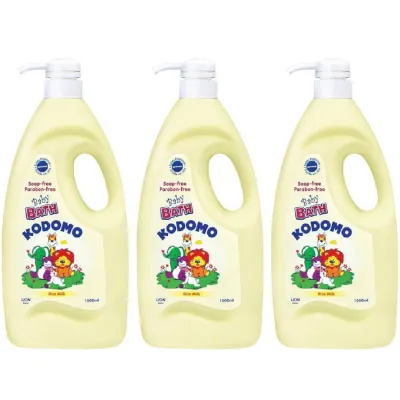
Prices are valid at publication and may change. Please refer to the product page for the latest price.
To verify if a product like Kodomo baby body wash has been properly notified, parents can access the official HSA online database. By visiting the HSA website and navigating to the “Infosearch” portal under the “Cosmetic Products” category, you can search the database using the product’s brand name, the specific product title, or the name of the local company responsible for importing it. A successful search will display the product’s notification details, confirming that the importer has declared the product’s ingredients and manufacturing sources to the authority.
It is important to understand the regulatory distinction between general cosmetic products and therapeutic products. A baby body wash is classified as a cosmetic product because its primary purpose is to cleanse and perfume the skin. It does not undergo the rigorous pre-market clinical trials or registration processes required for therapeutic products, such as medicated eczema ointments or steroid creams. Therefore, any claim that a standard baby wash can cure, treat, or prevent a medical skin condition should be viewed with caution, as cosmetic notifications do not validate therapeutic efficacy.
When purchasing baby bath products in Singapore, always inspect the physical packaging for key traceability markers. Legitimate, notified products will feature a label detailing the local importer’s name and address, the country of manufacture, and a specific batch or lot number. These details are critical for consumer safety; in the rare event of a product recall or quality issue, the batch number allows the manufacturer and the HSA to trace the affected run. If you encounter a bottle that lacks local importer details or has smudged, missing batch codes, it may be an unauthorized parallel import that has bypassed local regulatory notification channels, presenting an unnecessary risk for newborn use.
Evaluating Ingredients and Labels for Newborn Skin
A newborn’s skin barrier is structurally different from an adult’s. It is approximately 30% thinner, loses moisture much faster, and has an underdeveloped stratum corneum, which makes it highly permeable to external substances. Consequently, ingredients that are perfectly safe for older children or adults can easily penetrate a newborn’s skin, leading to irritation, dryness, or allergic sensitization. Evaluating the ingredient list on the back of the bottle is therefore a non-negotiable step for parents.

When reviewing the label of a baby body wash, look out for common potential sensitizers. Synthetic fragrances, often listed simply as “Fragrance” or “Parfum,” are among the leading causes of cosmetic contact dermatitis in infants. Even natural essential oils can contain compounds that trigger reactions on highly sensitive newborn skin. Additionally, look for harsh surfactants such as Sodium Lauryl Sulfate (SLS) or Sodium Laureth Sulfate (SLES). These foaming agents are highly effective at removing oils, but they are often too aggressive for newborns, stripping away the natural lipids that protect the skin barrier. Look instead for milder, plant-derived cleansing agents like coco-glucoside or decyl glucoside.
Many baby products prominently display terms like “pH-balanced” or “hypoallergenic” on their front labels. It is essential to interpret these claims based on manufacturer specifications rather than viewing them as absolute safety guarantees. A newborn’s skin naturally transitions from a neutral pH at birth to a slightly acidic pH of around 5.5 within the first few weeks of life. This acidic environment, known as the acid mantle, is crucial for fighting off harmful bacteria and maintaining skin hydration. A truly “pH-balanced” baby wash should align with this natural acidity. “Hypoallergenic” simply means the formulation has been designed to exclude the most common known allergens, but it does not guarantee that an individual baby will not experience a localized reaction.
Finally, always check the manufacturer’s explicitly stated age recommendations and usage instructions on the packaging. Some baby washes are formulated specifically for older infants or toddlers whose skin barriers have matured, while others are explicitly designated as “suitable for newborns” or “from birth.” If a product’s packaging does not clearly state that it is safe for newborns, or if the instructions suggest limiting use to older children, it is safest to avoid using it on a day-old infant.
Safe Introduction and Skin Observation Practices
Even when a baby body wash is properly notified with the HSA and features a gentle ingredient list, every newborn’s skin is unique. What works perfectly for one baby may cause irritation for another. Therefore, introducing any new cleansing product into your newborn’s bathing routine should be done gradually and with careful observation.
Before using a new body wash for a full-body bath, perform a localized patch test. To do this, mix a tiny drop of the body wash with warm water to create a mild dilution. Apply a small amount of this diluted mixture to a discreet area of your baby’s skin, such as the inner forearm or the side of the thigh. Leave it on the skin for the typical duration of a bath—usually about one to two minutes—and then rinse it off thoroughly with clean, lukewarm water. Pat the area dry with a soft towel and monitor the spot over the next 24 to 48 hours. Look closely under good lighting for any signs of localized redness, tiny raised bumps, dry flaking, or swelling. If the skin remains clear, the product is generally considered suitable for broader use.
When you begin using the wash in the bath, practice proper dilution and gentle application techniques. Newborns do not accumulate significant dirt, so a very small amount of cleanser is sufficient. Avoid pumping the body wash directly onto the baby’s skin. Instead, dispense a small, pea-sized amount into a tub of warm water (ideally around 37 degrees Celsius) and mix it thoroughly to create a very mild bath solution. Use your bare hands or a clean, ultra-soft cotton washcloth to gently wipe your baby’s skin, focusing on areas prone to sweat and moisture buildup, such as the neck folds, underarms, and diaper area. Avoid vigorous scrubbing, which can mechanically damage the delicate outer layer of the skin.
Thorough rinsing is a critical step that is often overlooked. Even the mildest surfactants can cause dryness and irritation if they are allowed to dry on the skin. Always rinse your baby with clean, warm water from a separate jug or tap to ensure all soap residue is completely removed. After the bath, gently pat the baby’s skin dry with a soft, clean towel rather than rubbing. Observe the skin immediately after drying; healthy skin should look smooth and feel soft. If the skin appears slightly dry or tight, consider applying a fragrance-free, newborn-safe moisturizer immediately after patting dry to lock in moisture.
When to Discontinue Use and Seek Professional Care
As a parent, monitoring your newborn’s skin health during and after baths is an ongoing responsibility. While mild, temporary dryness can sometimes occur due to environmental factors like air conditioning, persistent or worsening skin changes require immediate attention and a change in your bathing routine.
Recognizing the red flags of skin irritation or contact dermatitis is essential. If you notice persistent redness that does not fade within a few hours of a bath, dry peeling patches, rough scaly skin, or clusters of tiny red bumps, these are clear indicators that the product may be too harsh or that your baby is experiencing an allergic reaction. Additionally, pay attention to your baby’s behavior. If they become unusually fussy, cry during the application of the wash, or scratch at their skin after the bath, the product may be causing an uncomfortable burning or itching sensation.
If you observe any of these signs, discontinue using the body wash immediately. Transition your newborn to plain, lukewarm water baths. Water alone is highly effective at cleansing a newborn’s skin without stripping away essential lipids or introducing potential chemical irritants. Avoid using any other soaps, bubble baths, or scented lotions during this recovery period. In many cases, the newborn’s skin barrier will naturally repair itself within a few days once the irritating product is removed.
There are specific conditions and symptoms that require professional medical evaluation rather than home management. If the skin redness spreads, if you notice signs of infection such as oozing yellow crusts, open sores, extreme swelling, or if the baby develops a fever, seek immediate consultation with a pediatrician or a pediatric dermatologist. Furthermore, if your baby has a family history of severe eczema or asthma, or if they exhibit persistent, widespread dry patches that do not improve with plain water baths and gentle, fragrance-free moisturizers, a medical professional can provide a tailored skincare plan and recommend specialized, non-cosmetic therapeutic cleansers.
Frequently Asked Questions (FAQ)
Can I use adult body wash on a newborn if I dilute it?
No, you should never use adult body wash on a newborn, even if it is heavily diluted. Adult skin is much thicker, less permeable, and has a fully developed acid mantle that can tolerate stronger surfactants, synthetic dyes, and high concentrations of artificial fragrances. Diluting an adult product does not alter its chemical formulation or eliminate these harsh ingredients. Using adult formulations on a newborn can severely disrupt their delicate skin barrier, strip away natural protective oils, and lead to painful chemical irritation or allergic contact dermatitis.
How often should a newborn be bathed with body wash?
Newborns do not require daily baths with a body wash or cleanser. Pediatric guidelines generally recommend bathing a newborn two to three times a week using a gentle, newborn-safe cleanser, focusing primarily on the diaper area, neck folds, and underarms. On the remaining days, a simple sponge bath or a quick rinse with plain, lukewarm water is more than enough to keep your baby clean. Over-bathing with cleansers can dry out the skin, disrupt the natural skin microbiome, and weaken the developing skin barrier.
Community discussion
Share your experience or ask a question. Comments are reviewed before publication.