
When choosing a baby bath product like Johnson’s Baby Body Wash, many parents in Singapore naturally want to know if it has been officially approved by the Health Sciences Authority (HSA). The short answer is that the HSA does not “approve” cosmetic products, including baby washes, before they are sold on the market. Instead, these products must undergo a mandatory notification process before they can be imported or distributed locally.
Understanding this regulatory distinction is crucial for parents who want to ensure the products they use on their infants are compliant and safe. Rather than searching for an official “HSA-approved” seal, which does not exist for cosmetics, caregivers should focus on verifying that the product has been properly notified and meets local safety standards. This guide explains how Singapore regulates baby bath products, how to verify your baby wash, and what practical safety steps you should take at home.
HSA Approval vs. Notification: What It Means for Baby Wash
In Singapore, the Health Sciences Authority classifies baby body washes, shampoos, and lotions as cosmetic products. Under the Health Products Act, cosmetic products are regulated differently from therapeutic medicines or medical devices. While high-risk items like prescription drugs require rigorous pre-market evaluation and official approval, cosmetic products are subject to a post-market surveillance system.
Products mentioned in this guide
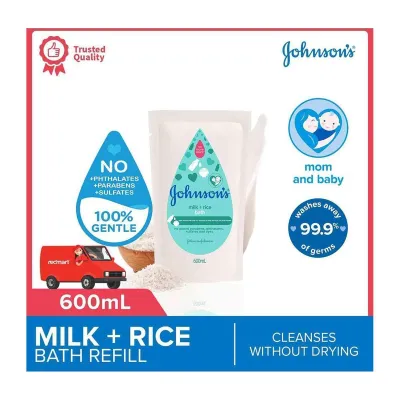
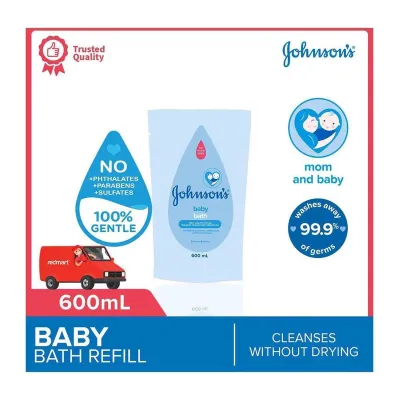
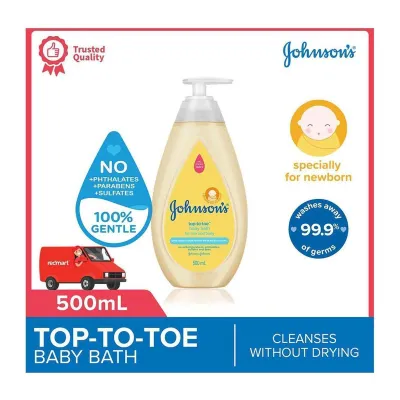
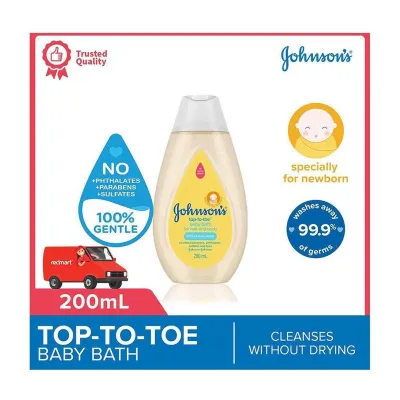
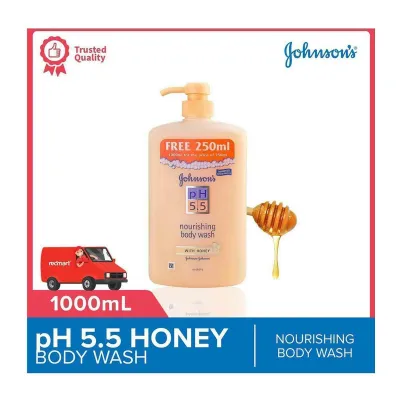
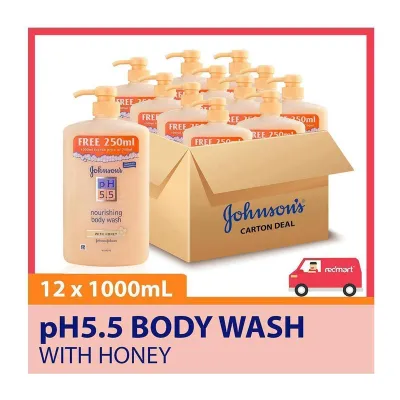
Prices are valid at publication and may change. Please refer to the product page for the latest price.
Before any cosmetic product can be sold in Singapore, the local company responsible for placing the product on the market must submit a product notification to the HSA. This notification is not an endorsement or an official safety clearance by the authority. Instead, it serves as a declaration by the company that the product complies with all local safety requirements and ingredient restrictions.
Because there is no pre-market testing or approval process by the HSA for cosmetics, parents should not expect to find an “HSA-approved” label on a bottle of Johnson’s Baby Body Wash. Instead, compliance is demonstrated through proper local labeling, the presence of a responsible local distributor, and a valid notification record in the HSA database. The primary responsibility for product safety lies with the manufacturer and the local company that imports the product.
Understanding HSA Safety Standards for Baby Bath Products
Singapore regulates cosmetic products in accordance with the ASEAN Cosmetic Directive. This regional framework aligns local safety standards with international practices, ensuring that baby bath products sold in Singapore are subject to strict guidelines regarding formulation, manufacturing, and labeling.

The ASEAN Cosmetic Directive maintains comprehensive lists of prohibited and restricted ingredients. Substances that are known to cause severe skin irritation, systemic toxicity, or hormonal disruption are banned from cosmetic formulations. For ingredients that are permitted but carry potential risks, the directive sets strict maximum concentration limits to protect vulnerable users, particularly infants with delicate skin barriers.
To enforce these standards, the HSA employs a robust post-market surveillance program. The authority regularly monitors the market by collecting product samples from retail shelves and online marketplaces for laboratory testing. These tests check for undeclared harmful substances, heavy metals, and microbial contamination that could pose health risks to babies.
Additionally, the HSA operates an adverse reaction reporting system. Healthcare professionals, including pediatricians and dermatologists, are required to report any unusual or severe skin reactions associated with cosmetic products. If a safety issue is identified through these reports or laboratory testing, the HSA has the authority to issue public alerts, order product recalls, and require manufacturers to withdraw non-compliant batches from the market.
How to Verify the Regulatory Status of Your Baby Wash
Parents can take an active role in verifying whether their specific bottle of Johnson’s Baby Body Wash complies with Singapore’s regulatory requirements. Checking the packaging and verifying the product’s status can help ensure you are using a genuine, locally notified item.
First, examine the product packaging for essential local labeling details. Legally compliant cosmetic products sold in Singapore must display specific information in English. This includes the full ingredient list, the batch number, the expiry date or period-after-opening symbol, and the name and address of the local company responsible for importing or distributing the product. If this information is missing or covered by unreadable stickers, the product may not have been properly notified for sale in Singapore.
Second, you can verify the notification status of the product through official channels. While the HSA does not publish a simple list of “approved” brands, parents can contact the local distributor listed on the packaging to request verification of the product’s HSA notification status. Genuine products imported through authorized channels will always have a corresponding notification record maintained by the local importer.
If you discover that a baby wash lacks local labeling, has no local distributor details, or cannot be verified, it is best to avoid using it. Products purchased from unauthorized parallel importers or unverified online sellers may bypass the local notification system entirely. This means they are not tracked under Singapore’s post-market surveillance, making it difficult to receive timely updates if a specific batch is recalled due to safety concerns.
Observable Safety Checks and When to Stop Using a Product
Even when a baby wash is fully compliant with local regulations, individual babies can still experience skin sensitivities. Because an infant’s skin barrier is thinner and more permeable than an adult’s, parents must perform practical, observable safety checks during daily use.
Before using a new bottle of baby wash for the first time, consider performing a simple patch test. Apply a tiny amount of the diluted product to a small area on your baby’s inner arm or leg during bath time, rinse it off, and monitor the area for 24 hours. Look for any signs of localized redness, dryness, or tiny bumps that might indicate an initial sensitivity.
During regular use, monitor your baby’s skin closely for any adverse reactions. Common signs of skin irritation or contact dermatitis include:
- Persistent Redness: Dry, red patches that appear shortly after bathing.
- Dryness and Flaking: Skin that feels unusually rough, tight, or begins to peel.
- Behavioral Signs: Your baby scratching their skin, showing discomfort during the bath, or crying when the soap is applied.
If you observe any of these signs, take immediate, low-risk steps to manage the reaction. Stop using the product immediately and rinse your baby’s skin thoroughly with clean, lukewarm water to remove any remaining residue. Keep the affected skin clean, dry, and free from other scented lotions or topical products while you monitor the situation.
While mild redness often resolves on its own once the trigger is removed, certain symptoms require professional medical evaluation. You should stop home observation and consult a pediatrician or a pediatric dermatologist if the redness spreads rapidly, if the skin develops blisters, oozing, or crusting, or if your baby shows signs of severe discomfort, sleep disruption, or fever. A qualified professional can provide an accurate diagnosis and recommend appropriate gentle skincare alternatives.
Best Practices for Storing and Handling Baby Body Wash
Proper storage and handling are essential to maintain the physical integrity and safety of baby bath products. Even the safest formulation can degrade or become contaminated if it is stored incorrectly or handled carelessly.
Always check the product’s shelf life indicators before the first use. Look for the expiration date or the Period After Opening (PAO) symbol, which resembles an open jar with a number followed by the letter “M” (for example, “12M” indicates the product is safe to use for 12 months after opening). Do not use products that have exceeded their expiry date, as the preservatives may no longer be effective at preventing bacterial growth.
Store the baby wash in appropriate environmental conditions. Keep the bottle in a cool, dry place away from direct sunlight and extreme temperature fluctuations. While it is convenient to keep the bottle inside the shower stall, the high humidity and warmth of a bathroom can accelerate the breakdown of active ingredients and preservatives over time. If possible, store backup bottles in a dry pantry or cupboard.
Preventing cross-contamination is another critical step in maintaining product safety. Ensure the bottle’s cap or pump nozzle is kept clean and free from dried soap buildup. Avoid letting bathwater enter the bottle, as introducing water can dilute the preservative system and encourage the growth of mold or bacteria. Always close the cap tightly immediately after dispensing the product, and avoid touching the opening of the bottle with wet or unwashed hands.
Frequently Asked Questions (FAQ)
Does an HSA notification number guarantee a baby wash is allergy-free?
No, an HSA notification number does not guarantee that a product is completely allergy-free. The notification process ensures that the ingredients used in the baby wash comply with the safety limits and restrictions set by the ASEAN Cosmetic Directive. However, individual babies have unique skin profiles and sensitivities. A product that is perfectly safe for the general population can still trigger an allergic reaction or contact dermatitis in a baby with highly sensitive skin or pre-existing conditions like eczema. Parents should always perform a patch test when introducing a new product.
Are imported baby washes safe if they lack local notification details?
Imported baby washes that lack local labeling and local distributor details carry higher safety risks. These products are often brought into Singapore via parallel importing or direct cross-border e-commerce without undergoing the mandatory HSA notification process. Because they bypass local regulatory channels, there is no local company held accountable for their safety, and they are not monitored under Singapore’s post-market surveillance system. If a manufacturer issues a safety recall for a specific batch overseas, parents using unnotified imports may not receive timely warnings. It is always safer to purchase baby products from authorized local retailers or official brand stores.
What common ingredients should parents monitor in baby body washes?
Parents should carefully read ingredient lists, especially if their baby has sensitive skin or eczema. While regulated products keep these ingredients within safe legal limits, certain categories are more likely to cause irritation. These include strong synthetic fragrances, which are common triggers for skin sensitivities, and harsh surfactants like sodium lauryl sulfate (SLS) that can strip the skin of its natural oils. Additionally, certain preservatives used to prevent microbial growth can occasionally cause reactions in sensitive individuals. If your baby has a diagnosed skin condition, consult a pediatrician or dermatologist to identify specific ingredients you should avoid.
Community discussion
Share your experience or ask a question. Comments are reviewed before publication.