
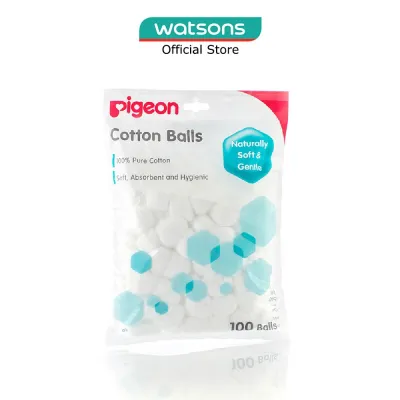
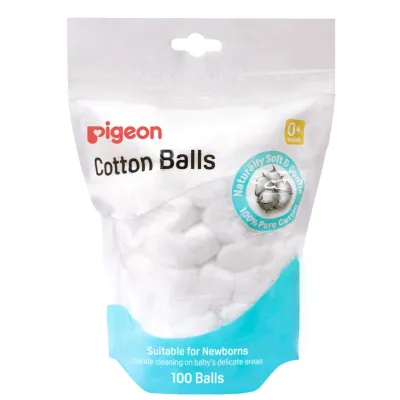
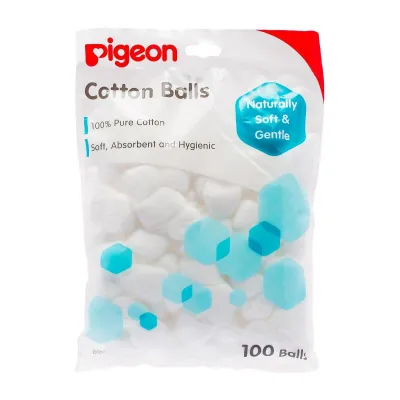
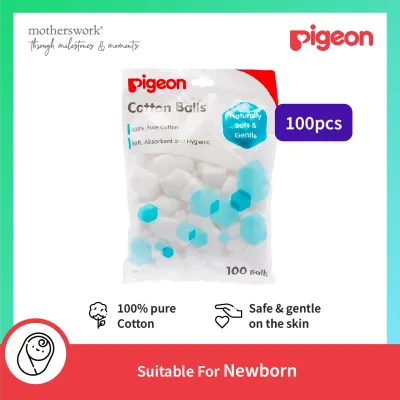
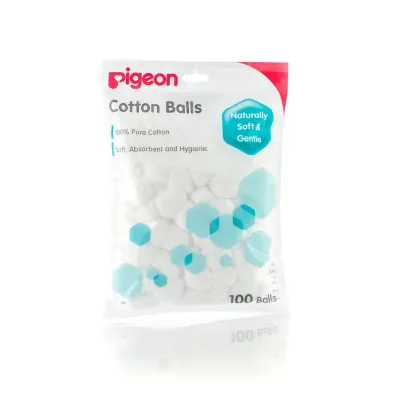
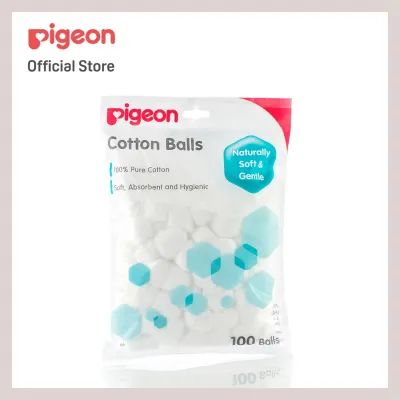
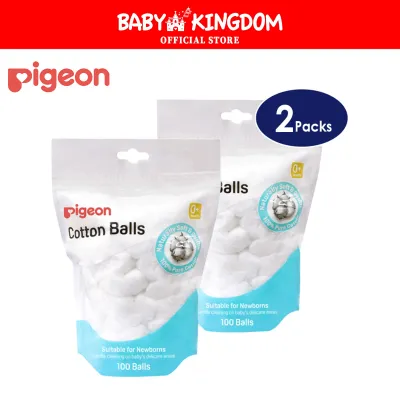
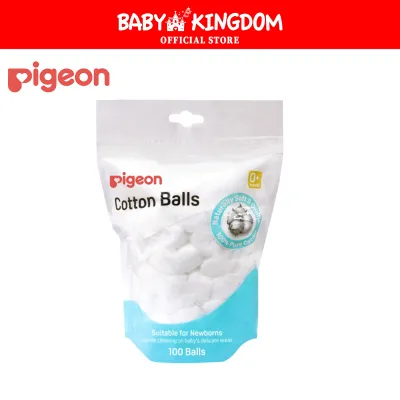
Newborn skin is incredibly delicate, up to 30% thinner than adult skin, making it highly susceptible to irritation, dryness, and chemical absorption. When preparing your baby’s grooming kit, choosing the right cleaning materials is a critical decision. A high-quality pigeon cotton ball is widely regarded by caregivers as a reliable option for daily hygiene routines, including diaper changes, eye cleaning, and umbilical cord care.
However, determining whether they are universally safe for your specific newborn requires looking beyond brand reputation. True safety depends on verifying the product’s exact packaging labels, material purity, and processing methods, alongside practicing correct application techniques. While 100% pure cotton is naturally soft, caregivers must inspect every pack for sterilization status, chemical additives, and potential physical hazards like linting to ensure a safe experience. No single product is completely risk-free if used improperly or if your baby has specific skin sensitivities.
Essential Safety Features to Verify on the Packaging
Material Purity
When selecting cotton products for a newborn, the raw material is the first line of defense against skin irritation. You should actively look for a “100% pure cotton” or “100% natural cotton” label on your package. Pure cotton fibers are naturally hypoallergenic, highly absorbent, and soft against sensitive skin. In contrast, generic cosmetic cotton balls often contain synthetic polyester blends or recycled fibers that can feel abrasive and cause micro-tears on a baby’s fragile outer skin layer. Always verify that the product does not contain synthetic binders or fillers by checking the detailed material specifications on the back of the packaging.
Products mentioned in this guide
Prices are valid at publication and may change. Please refer to the product page for the latest price.
Sterilization and Hygiene
Newborns have developing immune systems, making them vulnerable to bacterial infections, particularly around healing areas like the umbilical cord stump or the delicate mucous membranes of the eyes. To minimize these risks, check the packaging for terms such as “sterilised,” “medical-grade,” or “EO (ethylene oxide) sterilised.” These designations indicate that the cotton has undergone a controlled process to eliminate microbial contamination. Additionally, ensure the outer plastic packaging has an airtight, fully intact seal before purchasing. Any tear, puncture, or compromise in the packaging means the contents are no longer sterile and should not be used on a newborn.
Chemical-Free Assurance
Many commercial cotton products undergo intense processing to achieve a bright white appearance or a pleasant scent. For newborn care, these enhancements pose significant chemical risks. Carefully read the ingredient and processing lists on your pack of cotton balls rather than relying solely on front-of-pack marketing claims like “pure” or “organic.” You must verify the absence of:
- Fluorescent Brightening Agents (FBAs): Chemical compounds added to make cotton look whiter, which can transfer to the skin and cause contact dermatitis.
- Chlorine Bleaching: Look for "chlorine-free" or "oxygen-bleached" labels, as chlorine bleaching can leave behind trace dioxins.
- Artificial Fragrances and Dyes: These are common allergens that can trigger immediate redness, itching, or respiratory sensitivities in infants.
Potential Risks and Side Effects of Using a Pigeon Cotton Ball
Linting and Fiber Shedding
One of the primary physical hazards associated with cotton balls is linting, which refers to loose cotton fibers breaking away from the core during use. If these tiny fibers shed, they can easily cling to your baby’s skin or, worse, find their way into high-risk areas. Loose lint entering a newborn’s eyes can cause irritation, tearing, and mild conjunctivitis. If fibers get trapped in the healing umbilical cord stump, they can harbor moisture and bacteria, potentially leading to localized infections. Before using any cotton ball from a new batch, perform a simple physical check: gently pull the cotton ball between your fingers to observe if it sheds excessive loose fluff or holds its shape cleanly.

Friction and Skin Irritation
Even the softest cotton can become abrasive if used incorrectly or if the fiber quality is compromised. Dry cotton balls should never be dragged across a newborn’s skin, as the friction can strip away the natural lipid barrier, leading to dry patches, micro-abrasions, and localized redness. This is particularly true during frequent diaper changes when the skin is already sensitized by moisture and enzymes. Caregivers must ensure the cotton is sufficiently damp to lubricate the skin during wiping, and always opt for a gentle dabbing motion rather than a firm scrubbing action.
Moisture and Residue Trapping
Newborns have numerous deep skin folds around their neck, thighs, wrists, and armpits. When cleaning these areas with wet cotton balls, there is a risk of leaving behind microscopic wet fibers or excess moisture. If these damp residues are trapped within the skin folds, they create a warm, humid environment that is highly conducive to friction, chafing, and yeast infections (such as Candida intertrigo). After using a damp cotton ball to clean these areas, always follow up with a dry, clean cloth or allow the skin to air-dry completely before dressing your baby.
Best Practices for Safe Daily Cleaning and Skin Care
Preparation and Wetting
To maintain a hygienic routine, start by thoroughly washing your hands with soap and water. When wetting the cotton ball, use sterile water, boiled water that has been allowed to cool to room temperature, or a mild, pediatrician-recommended liquid cleanser. Submerge the cotton ball, then gently squeeze out the excess liquid. The cotton should be damp but not dripping wet. Over-saturated cotton can pool water on your baby’s skin, making it difficult to control the direction of the wipe and increasing the likelihood of leaving residual moisture in delicate skin folds.
Gentle Wiping Techniques
Adopt a “dab and roll” technique rather than a dragging motion. Place the damp cotton ball on the target area, apply minimal pressure, and roll it away from the clean skin to lift dirt or secretions. Always follow strict directional guidelines to prevent cross-contamination:
- For Eye Cleaning: Wipe gently from the inner corner (nearest the nose) to the outer corner of the eye. Use a completely fresh cotton ball for each eye to prevent spreading potential infections like newborn ophthalmia.
- For Diaper Changes: Always wipe from front to back, especially for baby girls, to prevent transferring fecal bacteria into the urinary tract.
Navigating High-Risk Areas
Special care must be taken when cleaning highly sensitive anatomical zones:
- Umbilical Cord Stump: If your pediatrician instructs you to clean around the base of the cord, use a lightly damp cotton ball to gently dab away dried blood or discharge. Avoid aggressive rubbing, which can prematurely detach the stump or cause bleeding.
- Deep Skin Folds: Gently stretch the fold open with one hand while dabbing with the other. Ensure the area is thoroughly dried afterward.
- Alternative Tools: For very precise cleaning, such as the outer folds of the ear (never insert anything into the ear canal), a baby-safe cotton swab with a safety bulb may be more appropriate than a standard cotton ball. For large body areas, a soft, reusable muslin cloth can offer a wider, lint-free cleaning surface.
Disposal and Single-Use Rule
Never reuse a cotton ball, even on the same body part during a single cleaning session. Once a cotton ball makes contact with the skin, it collects dead skin cells, bacteria, and moisture. Reusing it or dipping it back into your clean water container introduces contaminants back onto your baby’s skin or into your clean supply. Dispose of each cotton ball immediately after one wipe. Keep a small waste bin next to your changing station to make single-use disposal seamless and hygienic.
When to Stop Use and Seek Professional Medical Advice
Signs of Adverse Reactions
While cotton is generally well-tolerated, some newborns may have extremely sensitive skin or experience contact allergies to trace processing chemicals. You must stop using the product immediately if you observe any of the following signs:
- Unexplained localized redness or dry, flaky patches.
- Small bumps, hives, or a raised red rash (contact dermatitis) where the cotton touched the skin.
- Signs of physical discomfort, such as persistent crying or squirming during or immediately after your cleaning routine.
Umbilical Cord and Infection Red Flags
Cleaning the umbilical cord stump requires close monitoring. Discontinue home cleaning and consult a doctor immediately if you notice:
- A foul-smelling odor coming from the cord area.
- Yellowish, cloudy pus or continuous fluid discharge.
- Active, persistent bleeding from the stump.
- Spreading redness, warmth, or swelling on the skin surrounding the base of the cord.
Professional Consultation
The guidance provided here is for general educational purposes and does not replace professional medical advice. If your baby exhibits chronic skin issues, such as severe diaper rash, eczema, or recurrent eye discharge, schedule an appointment with a pediatrician or visit a local polyclinic in Singapore. A healthcare professional can perform a proper diagnosis, recommend suitable medical-grade skin barriers, and advise whether you should switch to alternative cleaning methods.
Frequently Asked Questions (FAQ)
Can I use regular adult cotton balls for my newborn?
It is highly recommended to avoid using regular adult cosmetic cotton balls for newborn care. Adult cotton products are frequently processed with harsher chemical bleaches, synthetic binders, and artificial fragrances to make them suitable for makeup removal or general household use. They are also more prone to heavy linting and shedding. Baby-specific cotton balls, such as those from reputable infant care brands, undergo stricter quality controls, are designed to minimize fiber shedding, and are typically free from optical brighteners and chlorine, ensuring they are much safer for a newborn’s delicate skin barrier.
Are single-use cotton balls better than reusable cloth wipes?
Both options have distinct advantages, and the best choice depends on your specific cleaning task and lifestyle preferences. Single-use cotton balls offer maximum hygiene and convenience, especially for cleaning sticky diaper messes or delicate eye areas, as they are discarded immediately and require no laundering. Reusable cloth wipes, such as soft organic cotton or bamboo muslin, are highly environmentally friendly, cost-effective over time, and generally lint-free. However, reusable wipes require rigorous washing at high temperatures to ensure they are completely sanitized before reuse, which can be time-consuming for busy caregivers.
How should I store opened packs of baby cotton balls?
Proper storage is crucial to maintaining the hygiene and safety of your baby cotton balls, especially in Singapore’s humid, tropical climate. High humidity can encourage the growth of mold, mildew, and bacteria on organic cotton fibers. Once you open a pack, transfer the remaining cotton balls to an airtight, clean container or a heavy-duty resealable plastic bag. Store the container in a cool, dry cupboard away from direct sunlight and high-moisture zones like the bathroom. Always ensure your hands are completely clean and dry before reaching into the container to retrieve a cotton ball.
Community discussion
Share your experience or ask a question. Comments are reviewed before publication.