
No, it is not safe to use ear cleaners inside a baby’s ear canal. Any tool, swab, or liquid marketed as an “ear cleaner baby” accessory should never be inserted into the delicate inner structures of an infant’s ear. The only safe way to clean a baby’s ears is to gently wipe the outer ear (the pinna) and the skin behind it.
The human ear canal is a self-cleaning organ. It relies on a natural outward migration process to expel old wax and debris without any manual assistance. Attempting to intervene with commercial cleaning tools poses severe risks to your child’s hearing and comfort.
Always consult a qualified pediatrician or medical professional if you suspect a significant earwax blockage or notice signs of an ear infection. Never attempt to diagnose or treat deep ear blockages at home.
Products mentioned in this guide
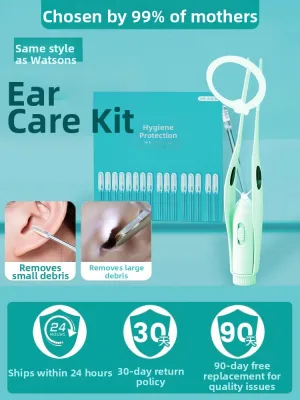

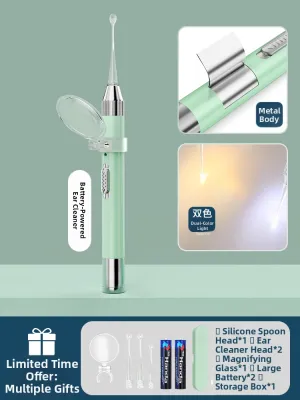
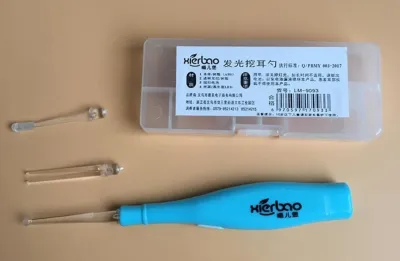
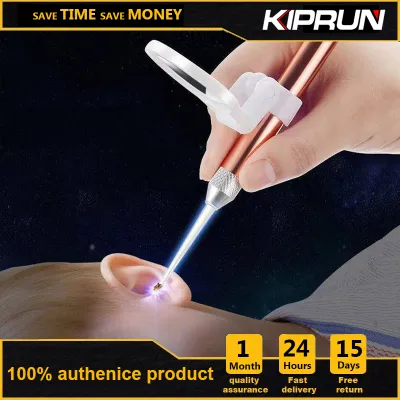
Prices are valid at publication and may change. Please refer to the product page for the latest price.
Why Doctors Advise Against Inserting Ear Cleaners
Pediatricians and otolaryngologists strongly advise against inserting any cleaning implements into an infant’s ear canal due to the unique anatomy of a baby’s ear.
First, earwax (scientifically known as cerumen) is not dirt. It is a beneficial, naturally occurring substance produced by glands in the outer portion of the ear canal. Cerumen serves several vital protective functions: it traps dust, hair, and microscopic debris; it repels water to keep the canal dry; and its slightly acidic pH provides natural antibacterial and antifungal properties that help prevent infections.
Second, the infant ear canal is incredibly narrow and short. When you insert a cotton swab, plastic loop, or metal tool, you do not extract the wax. Instead, you act like a piston in a cylinder, pushing the wax deeper into the canal. This can lead to earwax impaction, where the wax becomes tightly packed against the tympanic membrane (eardrum), causing temporary hearing loss, discomfort, and a higher risk of infection.
Third, the skin lining a baby’s ear canal is extremely thin and fragile. The slightest scrape from a hard tool or even a soft cotton bud can tear this delicate tissue, opening the door to painful outer ear infections (otitis externa).
Finally, there is a severe risk of eardrum perforation. The tympanic membrane is a paper-thin barrier that vibrates to facilitate hearing. Because infants are prone to sudden, unpredictable head movements, any tool inserted into the ear can easily puncture the eardrum if the baby flinches. This can cause intense pain, bleeding, and permanent hearing impairment.
Common Ear Cleaning Tools and Their Risks
Many products are marketed to well-meaning parents seeking to maintain their baby’s hygiene. However, understanding the specific hazards of these tools is crucial for preventing accidental injury.

Cotton Swabs and Buds
Despite their widespread availability, cotton swabs are the leading cause of pediatric ear injuries treated in emergency departments worldwide. The design of a cotton bud is structurally unsuitable for the narrow dimensions of an infant’s ear canal.
When used inside the ear, the cotton fibers can also shed, leaving behind tiny deposits that trap moisture and encourage bacterial growth. The only safe application for cotton swabs in baby care is strictly limited to cleaning the outer folds of the pinna (the visible cartilage) and the area behind the ear. They must never be aligned with or pushed into the ear canal opening.
Lighted Ear Spoons and Picks
In recent years, ear cleaning tools equipped with LED lights, magnifying lenses, or miniature cameras have gained popularity on online marketplaces. These tools claim to offer parents the visibility needed to safely scrape wax out of a baby’s ear.
However, pediatricians do not endorse these devices for home use on infants. Improved visibility does not mitigate the physical vulnerability of the ear canal. A camera cannot prevent a startle reflex; if your baby makes a sudden movement while a rigid plastic or metal spoon is inside their ear, severe trauma to the canal wall or the eardrum can occur instantly. Furthermore, depth perception through a small camera screen is often distorted, making it difficult to judge how close the tool is to the delicate eardrum.
Ear Syringes, Vacuums, and Over-the-Counter Drops
Home ear irrigation kits, bulb syringes, and miniature ear vacuums present distinct hazards for infants. Using a bulb syringe to flush water into a baby’s ear can generate excessive pressure, leading to barotrauma or eardrum rupture. Introducing non-sterile tap water into the ear canal also increases the risk of infection, particularly in humid tropical climates like Singapore, where trapped moisture can quickly breed bacteria or fungi.
Similarly, over-the-counter (OTC) earwax softening drops should never be administered to babies without explicit medical guidance. If a baby has an undiagnosed microscopic perforation in their eardrum, these drops can leak into the middle ear space, causing severe pain, chemical irritation, and potential hearing damage. Additionally, drops can cause the existing wax to swell, temporarily worsening a blockage and trapping moisture.
How to Safely Clean Your Baby’s Ears
Maintaining your baby’s ear hygiene does not require specialized tools or invasive procedures. You can easily keep their ears clean and comfortable during routine bath time using simple, low-risk methods.
- Prepare the Materials: Gather a clean, soft washcloth and lukewarm water. Ensure the water is comfortably warm to the touch, matching your baby's body temperature, to prevent any sudden temperature shocks that could cause discomfort or mild vertigo.
- Wipe the Outer Ear: Moisten the washcloth and wring out any excess water so it is damp, not dripping. Gently wipe the outer ear (the pinna), focusing on the visible curves and crevices where milk residue, drool, or dust can accumulate.
- Clean Behind the Ear: Pay close attention to the crease behind the ear (the retroauricular fold). In infants, this area is highly prone to collecting sweat, dead skin cells, and spit-up, which can lead to redness, irritation, and a sour odor if left uncleaned. Gently wipe this crease with the damp cloth.
- Dry Thoroughly: After wiping, use a soft, dry towel to gently pat the outer ear and the area behind it dry. Ensuring these areas are dry is especially important in warm, humid environments to prevent localized skin irritation or yeast overgrowth.
- Manage Visible Wax: If you see a small flake or clump of earwax that has naturally migrated completely out of the ear canal and is sitting on the outer edge of the ear, you may gently wipe it away with the damp washcloth. Never use your finger, a fingernail, or any tool to reach into the opening to grab it.
- Observe the Stop-Condition: Always monitor your baby's reactions during cleaning. If your baby resists, cries, pulls away, or shows any signs of discomfort, stop the cleaning process immediately. Never force your baby's head or body to remain still for ear cleaning, as forced movement increases the risk of accidental injury and creates a stressful association with hygiene routines.
When to See a Pediatrician for Earwax Buildup
Because home extraction is unsafe, parents must learn to recognize when professional medical intervention is required. If you suspect your baby is experiencing discomfort or a hearing issue related to earwax, consult a pediatrician.
- Recognize the Warning Signs: Monitor your infant for symptoms that may indicate a significant earwax impaction, fluid buildup, or an active middle ear infection (otitis media). Watch for a foul odor emanating from the ear canal, or visible yellow, green, or bloody discharge draining from the ear.
- Observe Behavioral Changes: Take note if your baby is frequently tugging, pulling, or rubbing at their ear, accompanied by unexplained irritability, fussiness, or crying, particularly when lying down. A noticeable delay or lack of response to sudden sounds can also indicate a blockage.
- Understand the Professional Approach: A pediatrician has the specialized training and equipment necessary to evaluate and treat infant ear issues safely. During an examination, the doctor will use an otoscope to look directly into the ear canal and assess the health of the eardrum. If removal is necessary, they may use precise, sterile medical instruments, such as a microscopic curette, or perform controlled, professional irrigation using sterile solutions under direct visualization.
- Observe the Medical Stop-Condition: If you observe any of the warning signs listed above, cease all home cleaning efforts immediately. Do not attempt to use drops, oils, or any tools to resolve the issue yourself. Seeking prompt professional evaluation ensures your baby receives an accurate diagnosis and safe, effective care.
Frequently Asked Questions (FAQ)
How often should I clean my baby's ears?
Wiping the outer ear and behind the ear during your baby’s regular bath time—typically a few times a week—is entirely sufficient. There is absolutely no medical need for daily cleaning or deep cleaning of the ear canal. The ear’s natural self-cleaning mechanism is highly efficient and will continuously push old wax and debris outward to the pinna, where it can be safely wiped away.
Can I use baby oil or mineral oil to soften earwax?
No, you should never put baby oil, mineral oil, olive oil, or any other liquid or home remedy into your baby’s ear without explicit approval from your pediatrician. Introducing oils can trap moisture in the narrow ear canal, creating an ideal environment for bacterial or fungal infections to develop. Furthermore, any liquid introduced to the ear can coat the eardrum, making it difficult for a doctor to perform a clear otoscopic examination if your baby develops an earache.
Community discussion
Share your experience or ask a question. Comments are reviewed before publication.