
Caring for a newborn or infant involves navigating a steep learning curve, especially when it comes to daily grooming and hygiene. When you notice a buildup of yellow earwax or a blockage of sticky mucus in your little one’s nose, your first instinct might be to reach for a cotton bud. However, pediatricians and pediatric ear, nose, and throat (ENT) specialists strongly advise against inserting cotton buds into your baby’s ear canals or deep into their nasal passages.
No, inserting cotton buds into a baby’s ear canals or deep into their nasal passages is not safe. The primary risk of this practice is that it often pushes earwax or mucus deeper into the cavities, which can lead to painful impactions, blockages, or temporary hearing issues. Furthermore, the delicate internal tissues of an infant’s ears and nose are exceptionally fragile, making them highly susceptible to scratches, bleeding, or even eardrum puncture from sudden movements.
The only safe use case for cotton buds is strictly for cleaning the outer, visible areas of the ears and the very edges of the nostrils. By understanding the physical risks and learning safe, pediatrician-approved cleaning techniques, you can keep your baby comfortable and healthy without risking accidental injury.
Products mentioned in this guide
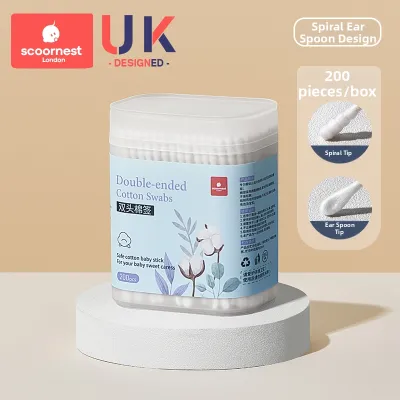
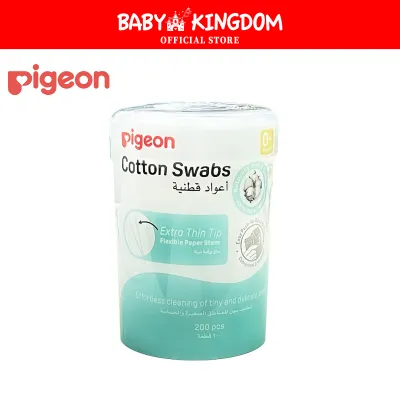
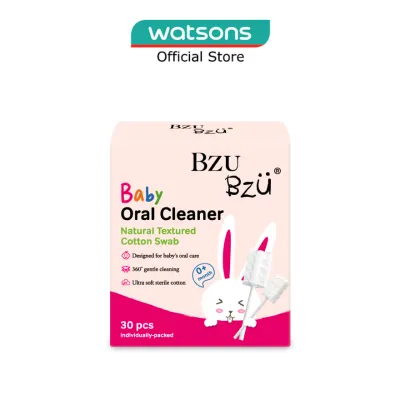
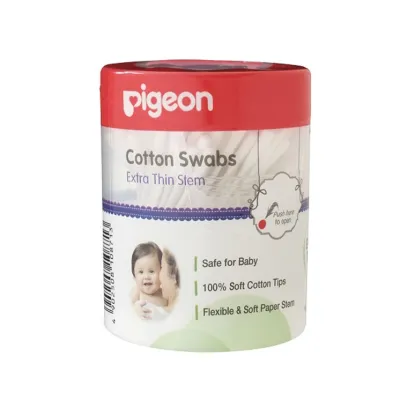
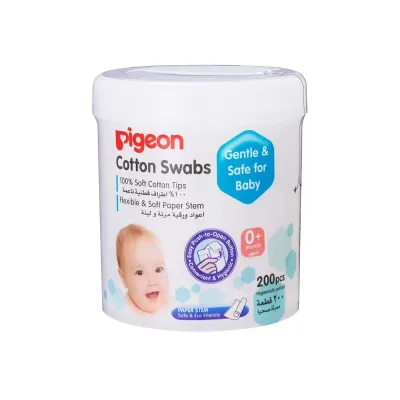
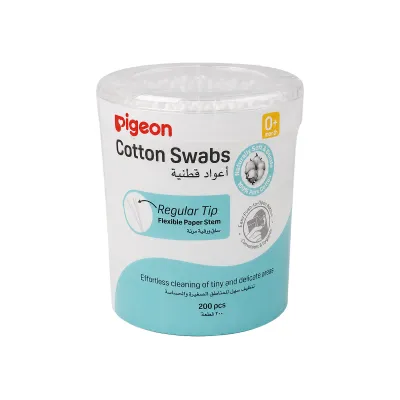
Prices are valid at publication and may change. Please refer to the product page for the latest price.
Why Pediatricians Warn Against Inserting Cotton Buds
To understand why medical professionals caution against this common grooming habit, it is essential to look at the unique anatomy of an infant’s sensory organs. A baby’s ear canals and nasal passages are not merely smaller versions of adult structures; they are far more delicate, shorter, and highly sensitive to external pressure.
Risks to Baby Ears
An infant’s ear canal is short and narrow, meaning the eardrum sits much closer to the entrance of the ear than it does in an adult. Inserting a cotton bud—even gently—carries a high risk of making direct contact with the eardrum. Such contact can cause extreme pain, scratch the delicate ear canal lining, or even puncture the eardrum, which can lead to painful middle ear infections (otitis externa) or temporary hearing loss.
Additionally, cotton buds do not actually scoop out earwax. Instead, they act like a plunger in a syringe, pushing the wax deeper into the canal. This compression can cause earwax impaction, a condition where the wax becomes hard, dry, and stuck against the eardrum. This blockage can interfere with your baby’s hearing, which is critical for their early language and speech development.
It is also important to recognize that earwax, or cerumen, is not dirt. It is a natural, protective substance produced by glands in the outer ear canal. Earwax possesses antibacterial properties, traps dust and debris, and keeps the ear canal lubricated. Under normal circumstances, the ear is a self-cleaning organ; a natural process called epithelial migration slowly moves old earwax and dead skin cells outward from the eardrum to the outer ear, where it can be safely wiped away.
Risks to Baby Noses
Just like the ears, a baby’s nasal passages are incredibly fragile. The nasal cavity is lined with a highly vascular mucous membrane containing tiny blood vessels that sit very close to the surface. Inserting a cotton bud into the nostril can easily scrape this sensitive lining, leading to nosebleeds, localized swelling, and irritation.
When you insert a cotton bud to clear a stuffy nose, you also run the risk of pushing mucus or dry crusts deeper into the nasal cavity or even into the airway. Because babies are obligate nasal breathers for the first few months of life—meaning they naturally breathe almost exclusively through their noses—any swelling or deep obstruction in the nasal passages can significantly disrupt their ability to feed, sleep, and breathe comfortably.
Another risk is the physical integrity of the cotton bud itself. Loose cotton fibers can easily break off from the tip of the bud and remain lodged inside the moist nasal passage. These fibers can act as a foreign body, causing persistent irritation, inflammation, or even a localized bacterial infection that requires medical intervention to resolve.
How to Safely Use Cotton Buds for External Cleaning
While cotton buds should never be inserted into internal passages, they can still play a useful role in your baby’s grooming routine when used correctly. The golden rule of baby hygiene is simple: “Only clean what you can see.” You should never blind-clean any internal cavity of your baby’s body.

For safe ear cleaning, cotton buds should only be used to gently wipe the outer ear (the pinna or auricle) and the crevices behind the ear. In humid climates like Singapore, sweat, milk spit-up, drool, and dead skin cells frequently accumulate in the folds behind a baby’s ears. If left uncleaned, this damp environment can lead to yeast infections, skin breakdown, or painful chafing. After a bath, you can use a dry or slightly damp cotton bud to trace the external curves of the outer ear and dry the skin behind the ear lobe.
For safe nose cleaning, a cotton bud should only be used to clear dried, visible mucus that has already migrated to the very outer edge of the nostrils. Gently sweep the cotton tip around the outer rim of the nostril to lift away dry crusts. Never push the bud upward or out of your direct line of sight.
Before performing any external cleaning, always ensure your baby is calm, still, and ideally lying down on a secure, flat surface like a changing table. Babies can move suddenly and unpredictably due to the startle reflex or simple curiosity. A sudden head turn while you are holding a cotton bud near their face can result in accidental deep insertion and injury. Always maintain a firm but gentle hold on your baby’s head, and keep your hand positioned close to the cotton tip to limit the depth of any accidental slip. Additionally, always check the manufacturer’s instructions and warnings on your cotton bud packaging to ensure the product is appropriate for infant grooming.
Safe Alternatives for Cleaning Baby Ears and Noses
Fortunately, you do not need to rely on cotton buds to keep your baby’s ears and nose clean. There are several safer, pediatrician-recommended methods and tools designed specifically to manage earwax and nasal congestion without risking injury.
Safe Methods for Baby Ears
The safest way to clean your baby’s ears during daily grooming is to use a warm, damp washcloth. During bath time, simply moisten a soft washcloth with warm water (ensuring it is not too hot by testing it on your wrist first). Wrap the cloth around your index finger and gently wipe down the outer ear, the folds of the pinna, and the area behind the ear. This method effectively removes excess wax and dirt that has naturally migrated outward, without any risk of entering the ear canal.
Remember that internal earwax should be left entirely alone. If you notice a significant buildup of wax deep inside the ear canal, resist the urge to remove it yourself. Over-the-counter ear drops or wax-softening solutions should never be used on an infant unless explicitly recommended and prescribed by your pediatrician for a specific medical issue. If a doctor does recommend drops, always follow their exact dosage and application instructions.
Safe Methods for Baby Noses
When your baby is congested, safe nasal clearing is essential for their comfort, feeding, and sleep. The most effective, pediatrician-approved method involves a combination of saline drops and a gentle suction device.
First, use over-the-counter saline drops or sprays formulated specifically for infants. Saline is a simple, non-medicated salt-water solution that helps loosen and thin out thick, stubborn mucus. Lay your baby on their back, gently tilt their head back slightly, and apply one to two drops of saline into each nostril. Wait a few moments to allow the saline to moisten the nasal passages and break down the mucus.
Next, use a gentle suction device, such as a manual bulb syringe or a modern nasal aspirator. If you are using a traditional bulb syringe, squeeze the air out of the bulb before placing the tip into your baby’s nostril. Insert the tip only slightly into the opening of the nostril—never push it deep. Gently release your grip on the bulb to create a vacuum that draws the loosened mucus and saline into the syringe. Remove the syringe and squeeze the mucus out onto a tissue.
For modern nasal aspirators, such as mouth-suction or electric models, always check the manufacturer’s instructions for proper assembly, suction strength, and cleaning protocols. Ensure all parts are thoroughly washed with warm, soapy water and dried completely after each use to prevent the growth of mold and bacteria.
To prevent nasal passages from drying out in the first place, consider using a cool-mist humidifier in your baby’s nursery. This is particularly helpful in Singapore, where air conditioning is frequently used overnight. Air conditioners strip moisture from the air, which can dry out a baby’s nasal mucosa and lead to hardened mucus blockages. A cool-mist humidifier restores healthy humidity levels, keeping the nasal passages naturally moist and comfortable.
When to Seek Professional Medical Help
While mild earwax buildup and occasional nasal congestion are normal parts of infancy, certain symptoms warrant a visit to the pediatrician. It is crucial to recognize these warning signs early to prevent minor issues from escalating into serious infections or complications.
You should consult a healthcare professional if you notice any signs of an ear infection. These signs include your baby frequently tugging, pulling, or rubbing at their ears, running a fever, displaying unusual fussiness (especially when lying down or feeding), or if you notice any fluid, pus, or bloody drainage coming from the ear canal. A foul odor emanating from the ear is also a clear indicator that a medical evaluation is required.
For nasal issues, seek professional help if your baby’s congestion is persistent and does not improve with saline drops and suctioning, or if it severely interferes with their ability to feed or breathe. Watch for signs of respiratory distress, such as rapid breathing, flared nostrils, or retractions, which require immediate emergency medical attention.
If you suspect that your baby’s eardrum has been damaged—indicated by sudden, intense crying during grooming, bleeding from the ear, or clear fluid drainage—or if a foreign object or cotton bud tip becomes lodged deep inside their ear or nose, do not attempt to treat it or extract it at home. Seek immediate professional medical care to ensure safe removal and evaluation.
Frequently Asked Questions (FAQ)
What should I do if a cotton bud tip gets stuck in my baby's ear or nose?
If a cotton bud tip or any foreign object becomes stuck in your baby’s ear or nose, do not attempt to retrieve it yourself using tweezers, fingers, or another cotton bud. Doing so can easily push the object deeper, cause severe tissue damage, or puncture the eardrum. Keep your baby as calm and still as possible, and seek immediate medical attention at a clinic or emergency department where a professional can safely extract it using specialized tools.
Are baby-specific cotton buds with larger heads safer?
Baby-specific cotton buds are often designed with a bulbous shape or a larger head that narrows near the tip. This design is intended to act as a physical barrier, preventing the bud from being inserted too deeply into the ear canal or nostril. While these safety-designed buds are helpful for preventing accidental deep insertion, the fundamental safety rule remains unchanged. They should still only be used for cleaning the outer, visible areas of the ears and nose, and should never be intentionally inserted into the ear canal or nasal passages.
Community discussion
Share your experience or ask a question. Comments are reviewed before publication.