
When preparing your nursery, choosing a safe sleep environment is one of the most critical decisions you will make. If you are considering a happy cot for your baby, you are likely looking for reassurance that this choice will keep your child protected during sleep.
Quick Answer: Is the Happy Cot Safe for Your Baby?
The safety of any specific happy cot model depends on its compliance with recognized international safety standards, proper assembly, and correct daily usage. No baby furniture brand can offer an absolute safety guarantee based on name alone; instead, safety is a combination of manufacturing quality and how you set up and maintain the product in your home.
To ensure your baby remains safe, you must verify the specific model’s certification labels, thoroughly read the manufacturer’s user manual, and perform hands-on physical safety checks before first use. This guide will teach you exactly how to evaluate these cots, what international safety standards to look for, and how to maintain a secure sleep environment in Singapore.
Products mentioned in this guide
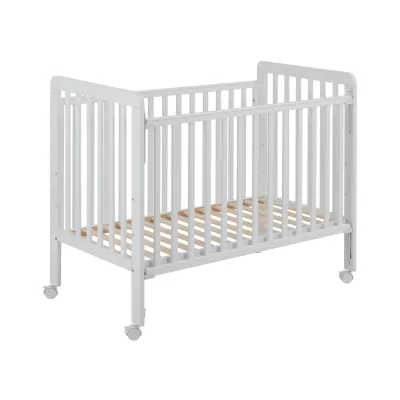
![[Jarrons & Co] Happy Dream 4-in-1 Convertible Baby Cot (Free Delivery Installation Teething Rail Side Guard & Mosquito Net)](https://img.lazcdn.com/g/p/1fa2fe8c6ca9054589090bd9450eb2ac.png_400x400q80.png_.webp)
Prices are valid at publication and may change. Please refer to the product page for the latest price.
Recognized Baby Cot Safety Standards to Look for in Singapore
When shopping for nursery furniture in Singapore, you might notice that there is no single, mandatory local manufacturing standard specifically dedicated to baby cots. Instead, the Consumer Product Safety Office (CPSO) monitors general consumer goods, while reputable retailers and distributors typically import products that meet rigorous, established international safety frameworks.

To verify if a particular happy cot model is safe, you should look for specific certification codes on the product packaging, the retail listing, or the user manual. These certifications indicate that the cot has undergone independent laboratory testing to withstand structural stress and eliminate common hazards.
The European standard, designated as EN 716, is one of the most common and rigorous certifications you will encounter. This standard specifically regulates children’s cots and folding cots for domestic use, focusing heavily on preventing entrapment of the head, limbs, and fingers, while also testing the structural integrity of the base and frame under impact.
Another highly respected framework is the American standard, ASTM F1169, which governs full-size baby cribs. This standard places strict limits on slat spacing and requires rigorous testing of the hardware, fasteners, and wood strength to ensure that the cot will not collapse or splinter over years of use.
Additionally, the Australian and New Zealand standard, AS/NZS 2172, is known worldwide for its exceptionally strict requirements regarding drop-side mechanisms and mattress fit. It ensures that any moving parts are designed to minimize the risk of accidental release or garment snagging, which could lead to serious injury.
Before finalizing your purchase, make it a priority to locate these certification marks on the product label or within the manufacturer’s documentation. If the certification details are not clearly displayed on the online marketplace or in the physical store, you should contact the authorized distributor or the brand’s official store in Singapore to request formal proof of compliance.
Essential Physical Safety Checks for Your Baby Cot
Once your cot is delivered and assembled, you should perform a series of hands-on physical safety checks before allowing your baby to sleep in it. These checks help identify any manufacturing defects, shipping damage, or assembly errors that could pose a hazard to your child.
First, measure the distance between the cot slats using a standard ruler or measuring tape. The gap between individual slats must be no more than 6 centimeters (approximately 2 and 3/8 inches) to prevent your baby’s head or torso from slipping through and becoming trapped.
Second, verify the mattress fit using the “two-finger rule” to eliminate suffocation and entrapment risks. Place the mattress firmly into the cot and attempt to slide your index and middle fingers between the edge of the mattress and the inner wooden frame. If you can fit more than two fingers into this gap, the mattress is too small for the cot, and you must replace it with a properly sized model.
Third, conduct a thorough structural inspection of all hardware and joints immediately after assembly, and repeat this check once every month. Look for loose screws, missing bolts, sharp wooden edges, protruding metal parts, or wobbly joints that do not feel completely rigid. Regular use and room humidity can cause wooden components to expand or contract, which may gradually loosen the fasteners over time.
Fourth, examine the finish and materials of the cot frame to ensure they are safe for a teething child. Run your hands over all surfaces to check that the paint, varnish, or plastic finishes are completely smooth, non-toxic, and free from peeling, cracking, or splintering. If the cot includes plastic teething rails along the top edges, verify that they are securely attached and show no signs of cracking or splitting.
Fifth, pay close attention to the drop-side mechanisms if your chosen model features a movable side rail. Traditional drop-side cots have been heavily restricted or phased out by several international safety standards due to historical risks of mechanical failure leading to dangerous gaps. If you use a drop-side cot, you must ensure the locking mechanism engages automatically and securely when raised, and strictly follow the manufacturer’s operational instructions while keeping the mechanism well-maintained.
Safe Setup and Sleep Environment Guidelines
Even the most highly certified baby cot can become hazardous if it is assembled incorrectly or placed in an unsafe area of your home. Creating a secure sleep environment requires careful attention to detail during the initial setup and throughout your baby’s infancy.
When assembling your cot, you must strictly follow the step-by-step manufacturer instructions and use only the original hardware provided in the packaging. Never attempt to substitute missing screws or brackets with generic hardware store alternatives, and do not use parts from other furniture models, as even minor dimensional differences can compromise structural integrity.
The physical placement of the cot within your nursery or bedroom is equally vital for your baby’s safety. Position the cot far away from windows, direct sunlight, air conditioning vents, and heaters to prevent temperature extremes. Ensure the cot is completely out of reach of window blind cords, curtain pull-strings, electrical wires, wall decorations, and low-hanging shelves, all of which present severe strangulation or falling-object hazards.
To minimize the risk of Sudden Infant Death Syndrome (SIDS) and accidental suffocation, you must maintain a completely bare sleep environment inside the cot. Do not place pillows, loose blankets, quilts, bumper pads, sleep positioners, or soft toys in the cot with your baby. A firm, flat mattress covered by a tightly fitted sheet is the only safe bedding configuration; if you are worried about your baby getting cold in an air-conditioned room, use a wearable sleep sack instead.
Finally, monitor your baby’s physical development to adjust the mattress base height at the appropriate times. Most cots offer multiple height settings, with the highest level intended only for newborns who cannot yet roll over. You must lower the mattress base to its lowest setting as soon as your baby shows signs of sitting up, rolling over, pulling themselves to a stand, or reaching the top rail of the cot.
When to Transition Out of the Baby Cot
As your child grows, their physical capabilities will eventually surpass the safety limits of a standard baby cot. Recognizing the correct time to transition your toddler to a toddler bed or a floor bed is essential for preventing serious fall injuries.
Always consult your specific product manual to verify the maximum weight and height thresholds designated by the manufacturer. Once your child reaches these limits, the structural integrity of the base can no longer be guaranteed, and the risk of the cot tipping or breaking increases significantly.
In addition to physical limits, you must observe your child’s developmental milestones and behavior. If your toddler attempts to climb out of the cot, or if the height of the side rail is less than three-quarters of your child’s standing height (measured from the top of the mattress to their chest), you must transition them to a toddler bed immediately.
You should also discontinue using the cot if you notice any signs of structural wear and tear that cannot be safely repaired. If the wooden frame cracks, the screw holes become stripped, or the cot is subjected to a heavy impact during a move, its safety is compromised. In these situations, do not attempt DIY structural patches; instead, consult a professional or replace the cot entirely.
Frequently Asked Questions (FAQ)
Do I Need a Specific Mattress for the Happy Cot?
Yes, you must use a mattress that matches the exact dimensions and thickness specified by the manufacturer for your specific model. Standard baby cots in Singapore often come in different sizes, such as 120 by 60 centimeters or 140 by 70 centimeters, meaning a generic mattress may not fit securely. Using an ill-fitting or overly soft mattress can create dangerous gaps along the edges, posing a severe suffocation or entrapment risk for your infant.
Is It Safe to Buy a Second-Hand Happy Cot?
Buying or accepting a second-hand baby cot carries significant safety risks that are often difficult to detect visually. Used cots may have suffered hidden structural damage during previous moves, may be missing original assembly hardware, or might fail to meet modern safety standards. If you choose to use a pre-loved cot, you must obtain the original manufacturer’s manual, verify that every single piece of original hardware is present, thoroughly inspect all joints for stability, and confirm that the specific model has not been recalled.
How Do I Check if My Baby Cot Has Been Recalled?
To check if your baby cot has been recalled, you should visit the manufacturer’s official website or contact the authorized retailer in Singapore directly. You can also consult safety alerts published by local consumer protection authorities, such as the Consumer Product Safety Office (CPSO) under Enterprise Singapore. When conducting these checks, ensure you have the cot’s exact model number, batch number, and manufacturing date, which are typically printed on a tracking label affixed to the headboard or the mattress base.

Community discussion
Share your experience or ask a question. Comments are reviewed before publication.