
Hand sanitizer is a highly convenient tool for keeping children’s hands clean when you are on the go, but its safety depends heavily on the formulation, your child’s age, and proper adult supervision. While these products are effective at reducing germs, parents must carefully navigate concerns regarding alcohol concentrations, skin irritation, and accidental ingestion. Understanding how to select and apply these products safely ensures that your family remains protected without compromising your child’s delicate skin barrier.
Understanding Alcohol Concentration and Formulation
When evaluating hand sanitizers for your family, the product label is your primary tool for verifying safety and efficacy. Active ingredients in standard sanitizers typically consist of ethyl alcohol (ethanol) or isopropyl alcohol (isopropanol). To ensure the product is effective at neutralizing common pathogens, look for a formulation that contains an alcohol concentration between 60% and 80%. This range is widely recognized by global health authorities as the standard for reliable germ reduction.
Using products with excessively high alcohol concentrations or those from unverified sources carries significant risks. Formulations that exceed recommended limits can dry out skin rapidly, leading to micro-tears in the skin barrier. Furthermore, unregulated products purchased from informal online marketplaces may not list their ingredients accurately. In worst-case scenarios, these products might contain industrial alcohols like methanol, which is highly toxic and can be absorbed through the skin or inhaled, posing severe health hazards to young children.
Products mentioned in this guide
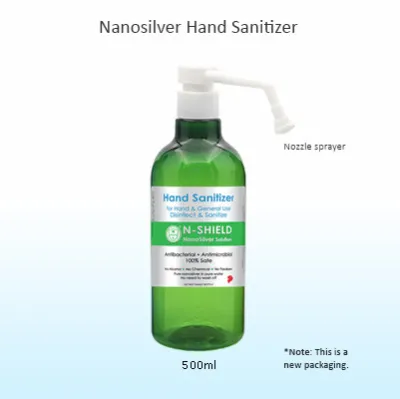
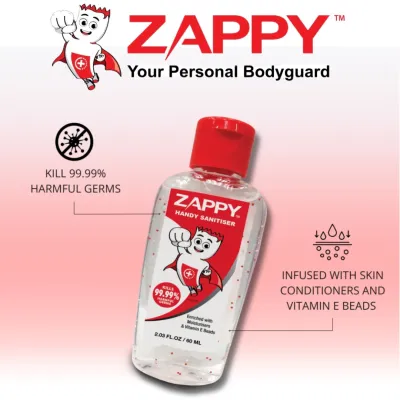
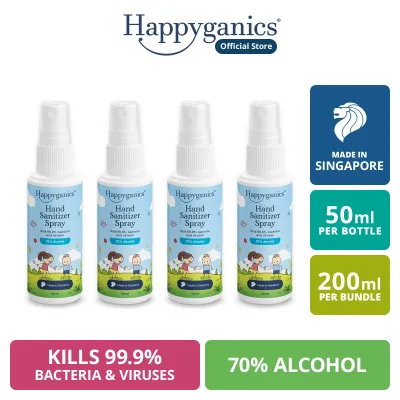
Prices are valid at publication and may change. Please refer to the product page for the latest price.
Some parents turn to alcohol-free sanitizers as a gentler alternative, often containing active ingredients like benzalkonium chloride. While these formulations are less drying and non-flammable, they have distinct limitations. Alcohol-free alternatives generally take longer to work and are less effective against a broad spectrum of viruses and bacteria compared to alcohol-based options. If you choose an alcohol-free product, verify the manufacturer’s testing claims on the packaging and ensure you follow the specific contact time required for the product to work.
Managing Skin Sensitivity and Irritation Risks
A child’s skin is significantly thinner and more permeable than adult skin, making it highly susceptible to contact dermatitis and dryness. Frequent exposure to high-strength alcohol can strip away natural lipids, leaving the skin vulnerable to irritation. To minimize this risk, parents must learn to identify potential irritants on the ingredient list before purchasing a product.

Synthetic fragrances, artificial colorants, and certain harsh preservatives are the most common culprits behind skin reactions in children. When scanning the label, opt for products explicitly marked as fragrance-free and dye-free. Avoid products with strong chemical scents or added perfumes, as these additives serve no hygienic purpose and frequently trigger allergic reactions or eczema flare-ups.
To counteract the drying effects of alcohol, look for formulations that incorporate soothing emollients and humectants. Ingredients such as glycerin, aloe vera, or vitamin E help draw moisture into the skin and form a temporary protective barrier. This is particularly beneficial in dry, air-conditioned indoor environments or during seasonal weather changes when skin is already prone to dehydration.
If your child develops persistent redness, peeling, cracking, or complains of a burning sensation during application, stop using the sanitizer immediately. Wash their hands with plain, cool water to remove any residue. Consult a pediatrician or dermatologist if the skin shows signs of infection, such as swelling, warmth, oozing, or if the irritation does not improve after discontinuing the product.
Age-Appropriate Usage and Supervision Rules
The safety guidelines for hand sanitizer change dramatically depending on your child’s developmental stage. For infants and toddlers under the age of two, hand sanitizers are generally not recommended. Young children in this age group frequently put their hands in their mouths and rub their eyes, which can lead to accidental chemical ingestion or painful eye irritation. For these very young children, physical cleaning with a damp cloth or soap and water is always the safest approach.
For preschoolers and older children, strict adult supervision is essential during every application. Children should never be allowed to handle or apply hand sanitizer independently. An adult should control the bottle, dispensing a single, pea-sized amount into the child’s palm. Instruct your child to rub their hands together thoroughly, ensuring they cover all surfaces, including the backs of the hands, between the fingers, and around the fingernails.
The drying phase is the most critical part of the application process. Alcohol-based sanitizers only become safe once the liquid has completely evaporated from the skin. Monitor your child closely to ensure they do not touch their eyes, mouth, or food until their hands are entirely dry, which typically takes about fifteen to twenty seconds.
Safe storage is just as important as safe application. Keep all hand sanitizer bottles out of the reach and sight of young children, preferably in high cabinets or secured drawers. Avoid buying sanitizers packaged in brightly colored containers or those with sweet, food-like scents such as strawberry or vanilla, as these can easily be mistaken for juice or candy, increasing the risk of accidental ingestion.
If hand sanitizer accidentally contacts your child’s eyes, immediately rinse them gently with lukewarm tap water for several minutes. If a small amount is accidentally swallowed, wipe the child’s mouth with a damp cloth and offer them a few sips of water. Do not attempt to induce vomiting. If you suspect a significant amount has been ingested, or if your child exhibits symptoms like drowsiness, confusion, or vomiting, seek emergency medical care immediately.
When Soap and Water Are the Better Choice
While hand sanitizers offer excellent portability, they are not a universal replacement for traditional handwashing. Sanitizers work by neutralizing germs on contact, but they do not physically remove dirt, grease, or chemical residues from the skin. Understanding when to put the sanitizer away and find a sink is key to maintaining proper hygiene.
If your child’s hands are visibly soiled with mud, sand, food, or outdoor grime, hand sanitizer will not be effective. The physical dirt creates a barrier that prevents the alcohol from reaching the pathogens underneath. In these situations, mechanical washing with soap and running water is required to lift, suspend, and wash away the debris and germs effectively.
Additionally, certain highly contagious pathogens are naturally resistant to alcohol-based sanitizers. For example, the viruses responsible for hand, foot, and mouth disease (HFMD) and rotavirus—both common in childcare and preschool settings—are not easily neutralized by alcohol. The friction of washing hands with soap under running water is the most reliable way to physically remove these resilient pathogens from the skin.
Establish a practical routine that prioritizes soap and water as your primary defense. Always wash hands with soap and water when at home, before meals, after using the restroom, and after outdoor play. Reserve hand sanitizers for transition periods when clean running water is unavailable, such as during transit, while running errands, or immediately after using public playground equipment.
Frequently Asked Questions (FAQ)
Can I use regular adult hand sanitizer on my child?
You can use adult hand sanitizer on children, provided you verify the ingredient list first. Many adult formulations contain high concentrations of alcohol alongside strong synthetic fragrances, cooling agents like menthol, or essential oils that can easily irritate a child’s sensitive skin. Before sharing your sanitizer, check that it is free from unnecessary dyes and perfumes. If possible, choose a product that has been dermatologically tested for sensitive skin, and always supervise the application to ensure they use only a pea-sized amount and rub it until completely dry.
What should I do if my child swallows hand sanitizer?
If your child swallows a tiny, accidental lick of hand sanitizer from their hands, wipe their mouth with a clean, damp cloth and give them a few sips of water to clear the taste. However, if they swallow a larger amount directly from a bottle, take immediate action. Do not induce vomiting, as this can cause the liquid to enter their lungs. Contact your local healthcare provider, poison control center, or emergency services immediately, and keep the product bottle nearby so you can read the exact ingredients and alcohol concentration to the medical professional.
Community discussion
Share your experience or ask a question. Comments are reviewed before publication.