
Keeping your child’s hands clean is a top priority for preventing the spread of everyday germs, but the frequent use of hand sanitizers can raise valid concerns for parents. A child’s skin is significantly thinner and more delicate than adult skin, making it highly susceptible to dryness, irritation, and chemical sensitivities. While hand sanitizers are highly convenient when on the go, understanding how their ingredients interact with young skin is essential for maintaining both hygiene and skin health.
Determining whether a hand sanitizer is safe for your child depends heavily on its formulation, the child’s age, and how the product is applied. By learning to decode product labels, recognizing early signs of skin irritation, and establishing safe application habits, you can protect your child from harmful pathogens without compromising their delicate skin barrier.
Decoding Alcohol Content and Formulation Labels
When evaluating a children hand sanitizer, the first step is to examine the active ingredients and their concentrations. Most health authorities recommend alcohol-based hand sanitizers containing at least 60% ethanol (ethyl alcohol) or 70% isopropanol (isopropyl alcohol) to effectively neutralize a broad spectrum of germs. Concentrations lower than this threshold may merely reduce the growth of germs rather than killing them outright, rendering the product ineffective for proper hygiene.
Products mentioned in this guide
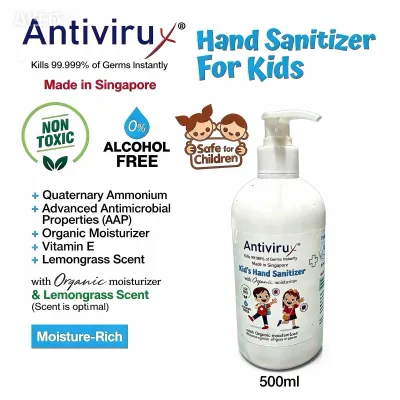
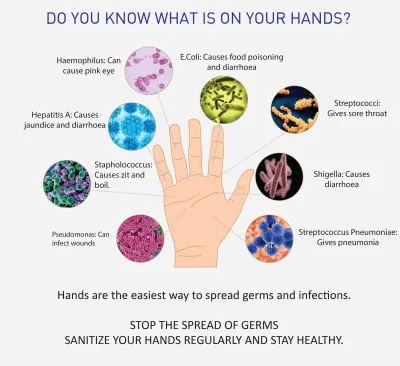
![[Exp 12/27] Babyganics Alcohol-Free Foaming Hand Sanitizer Fragrance Free 250ml](https://img.lazcdn.com/g/p/96877ee803901fa40e8b6d0e8041e1e9.jpg_400x400q80.jpg_.webp)
Prices are valid at publication and may change. Please refer to the product page for the latest price.
However, high alcohol concentrations naturally strip moisture from the skin, which can quickly lead to irritation on sensitive hands. To make these products more appealing to young users, manufacturers often add synthetic fragrances, artificial colorings, and harsh preservatives. These additives serve no hygienic purpose and are among the most common triggers for contact dermatitis, allergic reactions, and localized skin irritation in children.
As an alternative, some parents consider alcohol-free hand sanitizers, which often utilize active ingredients like benzalkonium chloride. While these formulations are generally gentler on the skin and do not carry the same drying effects as alcohol, they may not be as widely recommended by global health guidelines for eliminating certain viral pathogens. When choosing between these options, parents must weigh the specific environment, the child’s skin history, and the types of germs they are likely to encounter.
Identifying and Minimizing Skin Irritation Triggers
Because a child’s skin barrier is still developing, it is crucial to monitor their hands closely for any physical signs of compromise. Early indicators of skin irritation include localized redness, flaking, rough patches, or a persistent peeling of the skin on the fingertips and palms. If your child complains of a stinging or burning sensation when the sanitizer is applied, this is a clear sign that the skin barrier is already micro-torn or excessively dry.

To counteract the naturally dehydrating properties of alcohol, look for formulations that explicitly include skin-supporting emollients and humectants. Ingredients such as glycerin, aloe vera, and vitamin E help to draw moisture into the skin and create a temporary protective layer that shields the barrier from stripping. Checking the ingredient list for these soothing agents can make a significant difference in daily skin comfort.
If your child develops severe redness, cracked skin that bleeds, or persistent itching that does not improve with moisturizer, you should immediately stop using the hand sanitizer. In these instances, transition entirely to washing with plain water and a gentle, soap-free cleanser. Consult a pediatrician or a pediatric dermatologist to evaluate the skin for contact dermatitis or secondary infections that may require targeted medical treatment.
Age-Specific Supervision and Safety Precautions
The safety of hand sanitizer use is highly dependent on your child’s developmental stage and behavioral patterns. For infants and toddlers under the age of two, hand sanitizers are generally not recommended for routine use. Young children in this age group frequently place their hands, fingers, and toys directly into their mouths, creating a high risk of accidental alcohol ingestion, while also frequently rubbing their eyes with wet hands.
For preschoolers and school-aged children, strict adult supervision is necessary during every application. When dispensing the product, apply only a pea-sized amount to your child’s palm and instruct them to rub their hands together thoroughly. Ensure they cover all surfaces, including the backs of their hands, between their fingers, and around their fingernails, continuing until the liquid has completely evaporated and the skin is dry to the touch.
Safe storage is another critical component of preventing accidental poisoning or injury. Always store hand sanitizers out of reach and sight of young children, preferably in high, locked cabinets. Avoid purchasing products packaged in colorful, food-like pouches or those with sweet, dessert-like scents, as these designs can easily confuse young children and lead to accidental ingestion.
Knowing When Soap and Water Are the Only Safe Options
While hand sanitizers offer a convenient backup, they are not a complete substitute for traditional handwashing. Sanitizers lose their germ-killing efficacy when applied to hands that are visibly dirty, greasy, muddy, or covered in food residue. The physical barrier of dirt prevents the active alcohol from making direct contact with the skin’s surface, leaving underlying pathogens active.
Furthermore, hand sanitizers are ineffective at removing certain highly contagious pathogens, such as norovirus, as well as harmful chemical substances like pesticides, heavy metals, or sticky residues. In these scenarios, the mechanical action of scrubbing with soap and rinsing under running water is the only reliable method to physically lift, neutralize, and wash away these contaminants.
When you are away from home and running water is unavailable, plan practical workarounds to maintain hygiene without irritating the skin. You can use fragrance-free baby wipes to physically wipe away visible dirt, mud, or food residue from your child’s hands first. Once the hands are physically clean and dry, you can then apply a small amount of children hand sanitizer to address remaining microbial concerns.
Building a Skin-Friendly Hand Hygiene Routine
Establishing a balanced daily routine helps protect your child from illnesses while preserving their delicate skin barrier. Make washing with a mild, fragrance-free, syndet bar or liquid soap the primary hand hygiene method at home. Reserve the use of hand sanitizers strictly for essential touchpoints when outdoor activities, travel, or public spaces make handwashing impossible.
To actively repair and maintain the skin barrier, integrate a dedicated moisturizing step into your child’s daily routine. Apply a pediatrician-approved, fragrance-free moisturizer or barrier cream to their hands immediately after washing or once the hand sanitizer has completely dried. This practice helps lock in essential moisture and prevents the micro-cracking that makes skin vulnerable to both irritation and infection.
Before fully adopting any new brand of children hand sanitizer, always perform a localized patch test to verify skin compatibility. Apply a tiny drop of the product to a small, clean area on the inside of your child’s forearm or wrist. Monitor the spot for 24 to 48 hours, looking for any signs of redness, swelling, or itching before allowing them to use the product on their hands.
Frequently Asked Questions (FAQ)
Can I use adult hand sanitizer on my child's hands?
Adult hand sanitizers often contain higher concentrations of alcohol and a greater volume of synthetic fragrances or cooling agents like menthol, which can easily trigger irritation on a child’s thin skin. While they can be used in an emergency when no child-specific alternative is available, you should dispense only a tiny, pea-sized amount, supervise the child closely until their hands are completely dry, and apply a gentle moisturizer as soon as possible afterward.
What should I do if my child accidentally ingests hand sanitizer?
If your child swallows hand sanitizer, immediately wipe their mouth with a clean, damp cloth and have them rinse their mouth with water if they are old enough to spit. Do not attempt to induce vomiting, as this can cause further irritation or aspiration. If they have ingested more than a minor lick, or if they exhibit symptoms such as drowsiness, confusion, vomiting, or unsteadiness, contact your local poison control center or seek emergency medical care immediately.
Are alcohol-free hand sanitizers effective and safer for sensitive skin?
Alcohol-free sanitizers, typically formulated with benzalkonium chloride, are generally less drying and do not cause the stinging sensation associated with alcohol on cracked skin. However, they may not offer the same broad-spectrum efficacy against all types of viruses and bacteria as recommended by major health guidelines. Parents should evaluate this trade-off based on their child’s specific skin sensitivities and consult a pediatrician if the child suffers from severe eczema.

Community discussion
Share your experience or ask a question. Comments are reviewed before publication.