
Hand sanitizer is generally not recommended for young babies, especially infants and toddlers under two years of age, as a primary or routine method of hand hygiene. While these portable gels and sprays are incredibly convenient for adults, a baby’s delicate, developing skin and natural hand-to-mouth behaviors introduce significant health and safety risks. Traditional soap and clean running water remain the absolute gold standard for cleaning an infant’s hands.
If you must use a hand sanitizer in an exceptional situation where washing is impossible, it requires strict adult supervision, highly selective product choice, and an acute understanding of the potential risks involved. Understanding the underlying physiological differences in babies is crucial before deciding to apply any sanitizing chemical to their skin.
Why Soap and Water Remain the Gold Standard for Babies
To understand why soap and water are superior, we must look at how they interact with dirt and pathogens. Soap contains surfactant molecules that feature both hydrophilic (water-attracting) and hydrophobic (water-repelling) ends. When you wash your baby’s hands, these molecules surround grease, dirt, viruses, and bacteria, trapping them in tiny structures called micelles. The physical friction of rubbing your baby’s hands together lifts these trapped particles off the skin, and the running water rinses them completely away.
Products mentioned in this guide
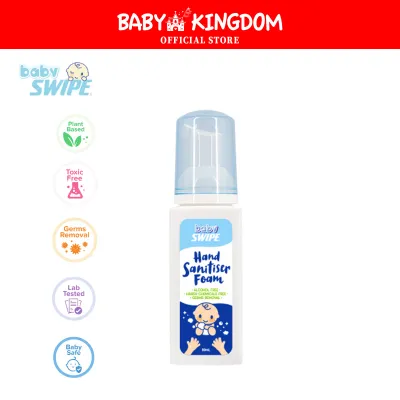
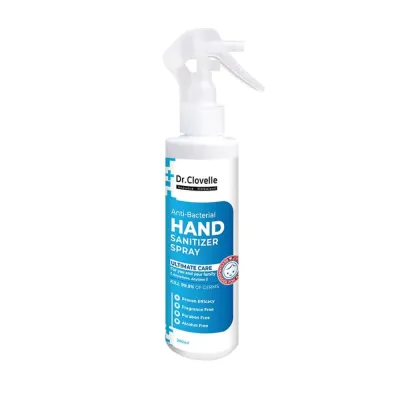
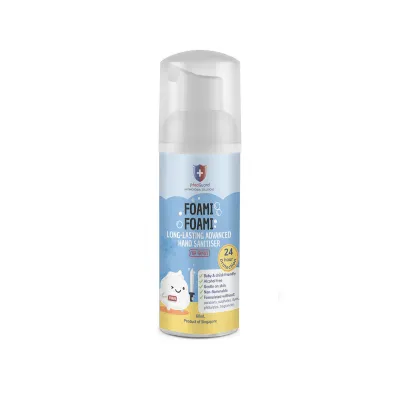
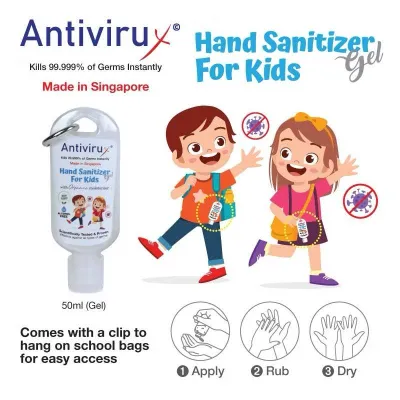
Prices are valid at publication and may change. Please refer to the product page for the latest price.
This mechanical removal is highly effective and leaves no chemical residues behind. In contrast, hand sanitizers do not clean the skin; they merely attempt to neutralize pathogens on the surface. If a baby’s hands are covered in visible dirt, food residue, saliva, or grease, the sanitizer cannot penetrate this physical barrier to reach the germs underneath.
Furthermore, sanitizers are completely ineffective against certain resilient pathogens, such as Norovirus or certain bacterial spores, which are easily washed away by soap and water. Because infants explore their world by putting their hands directly into their mouths, any chemical residue left by a sanitizer is highly likely to be ingested, whereas rinsed soap leaves the skin clean and residue-free.
Key Health and Skin Risks of Hand Sanitizer Use
Skin Irritation and Moisture Barrier Damage
An infant’s skin is structurally very different from adult skin. It is approximately 30% thinner, has a much less developed stratum corneum (the outermost layer of the skin), and loses moisture at a significantly higher rate. High-concentration alcohols, such as ethanol or isopropyl alcohol, are highly effective at breaking down the lipid membranes of germs, but they do the exact same thing to the natural lipid barrier of your baby’s skin.

Repeated exposure to these drying agents strips away the natural oils that keep infant skin soft and protected. This can quickly lead to severe dryness, flaking, painful micro-cracks, and contact dermatitis. In Singapore’s humid climate, parents might assume that environmental moisture protects the skin, but frequent transitions between humid outdoor air and highly air-conditioned indoor spaces can already compromise a baby’s skin barrier, making them even more susceptible to alcohol-induced irritation.
Caregivers must closely monitor their baby’s hands for any signs of skin distress, such as sudden redness, rough patches, or peeling. If these symptoms appear, immediately stop using any sanitizer, wash the hands with clean water, and apply a baby-safe, fragrance-free emollient after consulting a healthcare professional.
Accidental Ingestion and Alcohol Toxicity Risks
The most pressing safety concern with using hand sanitizer on babies is the high risk of accidental ingestion. Infants are in a constant developmental stage of oral exploration, frequently putting their fingers, thumbs, and toys into their mouths. If a caregiver applies hand sanitizer to a baby’s hands and the product does not dry completely, the baby can easily lick or suck the wet liquid directly off their skin.
Because of their low body weight and immature metabolic systems, even a tiny amount of ingested alcohol can cause rapid and severe alcohol toxicity (ethanol poisoning) in infants. An infant’s liver is not yet fully equipped with the enzymes necessary to metabolize alcohol efficiently. Ingestion can lead to dangerous systemic symptoms, including extreme lethargy, confusion, vomiting, slowed or irregular breathing (respiratory depression), hypothermia, and a sudden drop in blood sugar (hypoglycemia) which can trigger seizures.
To prevent this, if sanitizer must be used, it is critical to ensure the product evaporates completely and the skin is 100% dry before the baby can touch their face or mouth. Never leave a hand sanitizer bottle within a baby’s reach, as they can easily squeeze the contents into their mouth or eyes.
Age Recommendations and When to Strictly Avoid Sanitizers
Pediatricians and global health authorities generally advise against using alcohol-based hand sanitizers on infants and toddlers under two years of age. For newborns and infants under six months, the recommendation is absolute: sanitizers should be avoided completely. This strict boundary exists because younger babies have a much higher surface-area-to-body-weight ratio, meaning they can absorb topically applied chemicals through their thin skin at a much higher rate than older children or adults.
Furthermore, younger infants lack the cognitive and motor control to keep their hands away from their mouths and eyes during and immediately after application. There are several specific scenarios where hand sanitizers must be strictly avoided:
- Broken Skin or Eczema: If your baby has active eczema flares, scratches, or open cuts, applying sanitizer will cause intense stinging and pain, and can worsen local inflammation.
- Visibly Dirty Hands: When hands are soiled with food, spit-up, dirt, or diaper residue, sanitizers are physically blocked from working and will simply smear the grime around.
- Accessible Soap and Water: If a sink with clean water and soap is nearby—such as in a public restroom, nursing room, or restaurant—always choose handwashing over sanitizer.
How to Select and Apply Hand Sanitizer Safely on the Go
Reading Ingredient Labels and Avoiding Harmful Additives
When shopping for hygiene products at local pharmacies or online marketplaces in Singapore, parents must carefully scrutinize the product labels. If you must carry a sanitizer for emergencies, look for formulations containing between 60% and 70% ethyl alcohol (ethanol) or isopropyl alcohol (isopropanol). This range is considered the optimal balance for efficacy, as concentrations below 60% may not kill germs effectively, while concentrations significantly higher than 70% present an unnecessarily high toxicity and skin-drying risk for occasional infant use.
Strictly avoid any hand sanitizers that list methanol (methyl alcohol) or 1-propanol on the label, as these are highly toxic substances that can be absorbed through the skin or inhaled, and have been the subject of numerous global safety recalls. Additionally, choose fragrance-free and dye-free formulas, as synthetic perfumes and colorants are primary triggers for allergic contact dermatitis and respiratory sensitivities in young children.
Be highly cautious of “natural” or “organic” sanitizers that contain unverified essential oils like tea tree, lavender, or eucalyptus; these botanicals can cause severe skin irritation, allergic reactions, or hormonal disruptions in developing infants. Always consult your pediatrician before introducing any new topical product to your baby’s routine.
Safe Application Techniques and Active Supervision
If you find yourself in a situation where hand sanitizer is the only available option to clean your baby’s hands, you must follow a highly controlled and safe application process:
- Dispense onto your own hands first: Never squeeze hand sanitizer directly onto your baby's hands. This prevents accidental splashes into their eyes or mouth and ensures you control the exact amount used.
- Use a tiny, pea-sized amount: A minimal amount is more than sufficient for a baby's small hands and reduces drying time.
- Rub thoroughly over all surfaces: Rub your own hands together to distribute the product, then carefully massage it over your baby's hands. Ensure you cover the backs of their hands, between their fingers, and around their fingernails.
- Provide active supervision until dry: Hold your baby's hands gently but firmly to prevent them from touching their face, rubbing their eyes, or putting their fingers in their mouth. Blow gently on their hands or wave them in the air to speed up evaporation. Do not let go until the skin is 100% dry and warm to the touch.
- Store the bottle safely: Immediately zip the sanitizer bottle back into a secure compartment of your diaper bag. Never leave the bottle on a stroller tray, changing table, or anywhere within your baby's reach.
Emergency Steps If Your Baby Accidentally Ingests Sanitizer
Even with the most vigilant care, babies can be incredibly quick, and accidental ingestion can happen in a split second. If you suspect or witness your baby ingesting hand sanitizer, remain calm but act immediately.
First, perform immediate first aid by gently wiping the inside of your baby’s mouth with a clean, damp, soft cloth to remove any residual gel or liquid. Wash their hands and face thoroughly with water to prevent them from rubbing more sanitizer into their eyes or mouth. Do not attempt to induce vomiting, as this can cause the alcohol-laden liquid to be aspirated into their lungs, leading to severe chemical pneumonia, airway irritation, or choking.
Next, seek professional medical help immediately. In Singapore, you can contact the National University Hospital (NUH) Toxicology Service, call your local pediatric clinic, or visit the nearest hospital Accident & Emergency (A&E) department. If your baby is showing severe symptoms—such as extreme lethargy, difficulty breathing, vomiting, or seizures—dial 995 for an emergency ambulance immediately. Always bring the exact hand sanitizer bottle with you to the clinic or hospital so the medical team can examine the ingredients and concentration levels to provide the most accurate and rapid treatment.
Frequently Asked Questions (FAQ)
Can I use alcohol-free hand sanitizer on my baby?
Alcohol-free hand sanitizers often utilize active ingredients like benzalkonium chloride (BAC) or other quaternary ammonium compounds instead of alcohol. While these formulations eliminate the risk of acute alcohol toxicity, they are not entirely safe for infants. Benzalkonium chloride can still cause significant skin irritation, contact dermatitis, and mucous membrane sensitivity on delicate baby skin.
Furthermore, alcohol-free sanitizers are generally less effective at killing a broad spectrum of pathogens, particularly non-enveloped viruses. Because they do not offer a completely safe or highly effective alternative, they should not be used as a regular substitute for proper hand hygiene. Soap and water remain the safest and most reliable choice for infants.
Are baby wipes a good alternative to hand sanitizer?
Yes, unscented, water-based baby wipes are an excellent alternative for cleaning your baby’s hands when you are on the go and do not have access to soap and water. Wipes work through mechanical action, physically lifting and wiping away dirt, food residue, saliva, and a significant portion of surface germs from the skin.
Because high-quality baby wipes are formulated with gentle, non-irritating ingredients and do not contain high levels of alcohol or harsh disinfectants, they are incredibly gentle on the infant skin barrier. However, it is important to remember that standard baby wipes are designed for cleaning, not disinfecting; they do not kill 99.9% of viruses or bacteria. Despite this, for daily outings, physically wiping away contaminants with a gentle water wipe is highly recommended over using hand sanitizer, as it avoids the chemical and toxicity risks associated with sanitizing products.

Community discussion
Share your experience or ask a question. Comments are reviewed before publication.