
Keeping a baby’s hands clean is a constant priority for parents, especially when navigating public spaces. However, the delicate nature of infant skin and the natural tendency of babies to put their hands in their mouths raise important safety questions about hand sanitizers. While these products are convenient for adults, they require extreme caution when considered for infants.
In general, hand sanitizer is not recommended for newborns and very young infants. Their skin barrier is still developing, making them highly susceptible to absorbing chemicals, and the risk of accidental ingestion from wet hands is a serious concern. For older babies, hand sanitizer should only serve as an occasional backup when soap and water are completely unavailable. Parents must understand the specific age thresholds, ingredient profiles, and application protocols required to keep their little ones safe.
Understanding Age Limits and Pediatric Guidelines
Pediatric guidelines generally advise against using any hand sanitizer on infants under six months of age. During these early months, a baby’s skin is exceptionally thin, highly permeable, and lacks the fully developed protective barrier of older children. This high permeability means that topically applied substances, including alcohol, can be absorbed directly into the bloodstream. Furthermore, young infants frequently place their hands into their mouths, creating a direct pathway for accidental chemical ingestion.
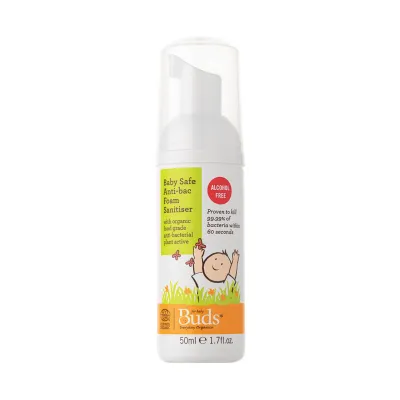
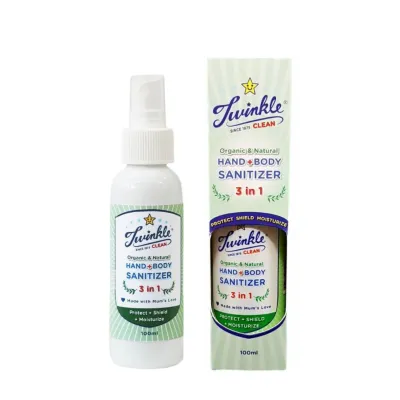
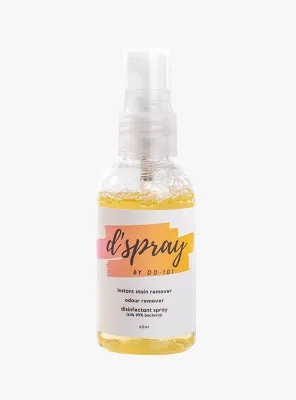
Products mentioned in this guide
![[Lifestylemart] G-Natural Sanitising Spray - Safe for Pets & Babies (Pocket-size 60ml)](https://img.lazcdn.com/g/p/b1cef272488abc25e51f15bcc55a5f3e.png_400x400q80.png_.webp)
Prices are valid at publication and may change. Please refer to the product page for the latest price.
As babies grow past the six-month mark, their skin barrier gradually strengthens, but caution remains paramount. When evaluating whether a hand sanitizer is appropriate for an older baby, parents must carefully inspect the product packaging for manufacturer-specified age limits and warnings. Many standard over-the-counter sanitizers carry warnings stating they should not be used on children under six years of age without adult supervision. Always look for products formulated specifically for babies, and verify the age recommendations printed on the label before application.
Consulting a pediatrician is the safest course of action before introducing any hand sanitizer to your baby’s routine. A doctor can provide personalized advice based on your baby’s health history and skin sensitivity. For instance, if your baby has a history of eczema or dry skin, a pediatrician will likely advise against sanitizer use entirely, as the ingredients can cause severe stinging and further barrier damage. Conversely, for a healthy older infant, a pediatrician can help you identify safe, non-irritating options for occasional use during travel.
Decoding Ingredients: What to Check on Product Labels
When shopping for a baby-safe hand sanitizer, reading and understanding the ingredient list is crucial for protecting your child’s health. If you choose an alcohol-based sanitizer, the active ingredient is typically ethyl alcohol (ethanol) or isopropyl alcohol (isopropanol). For these products to be effective at neutralizing germs, the alcohol concentration must fall within the range of 60% to 80%. However, this high concentration is highly drying to delicate skin. Parents must verify that the product does not contain methanol or 1-propanol, which are highly toxic forms of alcohol that can be absorbed through the skin, leading to severe poisoning.

Beyond the active sanitizing agents, parents must scrutinize the inactive ingredients. Synthetic fragrances, artificial colorants, and certain preservatives should be avoided entirely. These additives are common triggers for allergic contact dermatitis and can irritate a baby’s sensitive respiratory system. Unscented formulations are always a recommended choice for infants, as they minimize the risk of skin irritation and reduce the likelihood of the baby trying to taste the product due to a sweet or fruity scent.
To counteract the drying effects of alcohol, high-quality baby sanitizers often incorporate gentle moisturizing agents. Look for ingredients such as glycerin, aloe vera, or plant-derived lipids on the label. These humectants and emollients help soothe the skin and preserve the natural moisture barrier, reducing the risk of cracking. However, even with these protective additives, parents should monitor their baby’s skin closely and avoid overusing the product, as no moisturizing agent can completely neutralize the drying impact of high-strength alcohol on infant skin.
Soap and Water vs. Hand Sanitizer: When to Use Which
Washing hands with plain soap and running water remains the primary recommendation for infant hygiene and should always be your first choice. Soap and water physically remove dirt, grease, organic matter, and a wide spectrum of pathogens from the skin’s surface, rinsing them down the drain. This physical removal is especially critical after diaper changes, before feeding times, and after your baby has been crawling on the floor. Soap is highly effective at breaking down the lipid membranes of many viruses and bacteria without leaving chemical residues on the skin that a baby might later ingest.
Hand sanitizer should be reserved strictly as a temporary backup for situations where clean running water and soap are physically inaccessible. Examples include outdoor park visits, car travel, or public transit rides where finding a clean washbasin is impractical. In these scenarios, a baby-safe sanitizer can help reduce surface germs on the hands until you can access a proper washing station. It is a convenient tool for on-the-go parenting, but it should never replace regular hand washing as the primary method of hygiene.
It is also vital to recognize the inherent limitations of hand sanitizers. Sanitizers do not remove physical dirt, mud, food residue, or sticky substances from a baby’s hands; instead, they merely mix with the grime, reducing the product’s overall germ-killing efficacy. Furthermore, sanitizers are ineffective against certain highly contagious pathogens, such as norovirus, which can only be reliably removed through the mechanical friction of washing with soap and water. If your baby’s hands are visibly soiled, wipe away the physical dirt with a clean, damp cloth before applying any sanitizer.
Safe Application Steps and Supervision Rules
If you must use hand sanitizer on your baby, following a precise and safe application protocol is essential to prevent accidental exposure to the eyes or mouth. Start by dispensing a very small, pea-sized amount of the product onto your own palm first, rather than applying it directly to the baby’s hands. This allows you to control the quantity and prevents accidental spills. Rub your hands together slightly to distribute the product, then gently but thoroughly massage it over all areas of your baby’s hands, including the palms, the backs of the hands, between the fingers, and around the fingernails.
The most critical step in the application process is ensuring the sanitizer dries completely. You must continue rubbing your baby’s hands until every trace of wetness has evaporated, which typically takes about 15 to 30 seconds. Do not let your baby touch their face, rub their eyes, or put their hands in their mouth while the product is still wet. Liquid sanitizer is easily transferred to mucous membranes, where it can cause immediate burning and chemical irritation. Keeping the baby’s hands moving or gently blowing on them can help speed up the drying process.
Continuous adult supervision is mandatory whenever hand sanitizer is used around infants and young children. Never allow a baby or toddler to handle a sanitizer bottle, squeeze the product themselves, or play with the container. Accidental ingestion of even a small amount of high-concentration alcohol sanitizer can lead to alcohol poisoning in a small child. To prevent these dangerous situations, store all hand sanitizers in high, locked cabinets or secure zippered compartments in diaper bags, completely out of the reach and sight of children at all times.
Spotting Skin Reactions and Knowing When to Stop
A baby’s skin is highly reactive, making it essential for parents to monitor for any signs of irritation or adverse reactions after using hand sanitizer. Common visual indicators of contact dermatitis or skin irritation include localized redness, dry or flaky patches, peeling skin, and small bumps. You may also notice your baby scratching their hands or crying during application, which indicates a painful stinging or burning sensation. If any of these signs appear, discontinue using the sanitizer immediately and wash the baby’s hands thoroughly with cool, clean water.
In the event of an accidental exposure, parents must act quickly and calmly. If hand sanitizer gets into your baby’s eyes, immediately flush them gently with lukewarm water for several minutes, keeping the eyelids open to rinse out the chemical. If you suspect your baby has ingested hand sanitizer—even a tiny amount—do not induce vomiting, as this can cause further harm or aspiration. Instead, immediately contact a medical professional, visit the nearest emergency clinic, or call your local poison control center for immediate guidance.
Knowing when to seek professional medical advice is key to managing skin reactions safely. If localized redness or dryness does not improve within a day or two after stopping the sanitizer, or if the skin develops painful cracks, blisters, or signs of infection, consult your pediatrician promptly. They can evaluate the severity of the reaction and prescribe safe, infant-appropriate topical treatments, such as mild barrier creams or ointments, to restore your baby’s delicate skin barrier and provide relief from discomfort.
Frequently Asked Questions (FAQ)
Can I use adult hand sanitizer on my baby in an emergency?
Using adult hand sanitizer on a baby is highly discouraged, even in an emergency. Adult formulations often contain higher concentrations of alcohol, stronger synthetic fragrances, and harsh chemical denaturants that are unsuitable for a baby’s highly permeable and sensitive skin. These ingredients can cause severe drying, chemical burns, or allergic reactions. If you find yourself in an emergency without baby-specific sanitizer or soap and water, a safer alternative is to use a clean, water-dampened cloth or a fragrance-free baby wipe to physically clean the baby’s hands until you can access a proper hand-washing station.
Are alcohol-free hand sanitizers safer for babies?
Alcohol-free hand sanitizers, which often use active ingredients like benzalkonium chloride, are sometimes marketed as gentler alternatives for babies because they do not dry out the skin as quickly as alcohol. However, they are not necessarily safer or more effective. Benzalkonium chloride can still cause skin irritation or allergic contact dermatitis in sensitive infants. Furthermore, alcohol-free formulations generally have a narrower spectrum of efficacy against certain germs compared to alcohol-based sanitizers. Parents should consult their pediatrician to weigh the trade-offs and verify the safety of any specific alcohol-free product before use.
How often can I apply hand sanitizer to my baby's hands?
Hand sanitizer should be used as sparingly as possible on a baby’s hands—ideally limited to rare, occasional instances when soap and water are completely unavailable. Frequent application can rapidly deplete the natural lipids in your baby’s skin barrier, leading to chronic dryness, painful cracking, and increased vulnerability to infections. If you notice any signs of dryness, rough patches, or peeling, it is a clear indication that your baby’s skin needs a complete break from sanitizers. Focus on gentle soap-and-water washing instead, and apply a pediatrician-approved, fragrance-free baby moisturizer to help restore the skin barrier.

Community discussion
Share your experience or ask a question. Comments are reviewed before publication.