
Navigating public spaces with a young child often feels like a constant battle against germs. Whether you are riding the MRT, visiting a crowded indoor playground, or running errands around Singapore, keeping your little one’s hands clean is a top priority for preventing common childhood illnesses like Hand, Foot, and Mouth Disease (HFMD). However, the convenient bottle of hand sanitizer clipped to your diaper bag may not be the safe, quick-fix solution you think it is when it comes to infants.
Hand sanitizer is generally not recommended for infants and babies under two years of age. While these products are highly effective at neutralizing pathogens on adult hands, a baby’s unique physiology and behavioral patterns turn these convenient germ-killers into potential health hazards. Parents should prioritize washing with plain soap and water as the gold standard and safest method for infant hand hygiene, reserving hand sanitizers strictly for older toddlers and children under close adult supervision.
When soap and water are genuinely unavailable, and your child has reached an age where sanitizer can be introduced, extreme caution is required. Understanding the physical and biological reasons behind these age restrictions will help you make informed decisions to protect both your baby’s skin and their systemic health.
Products mentioned in this guide
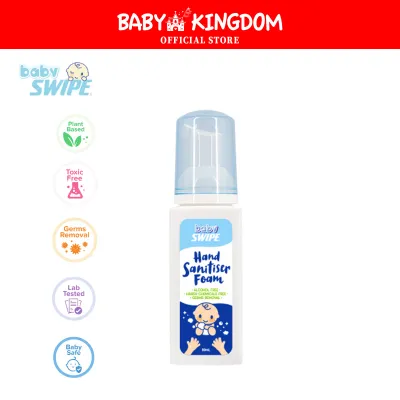
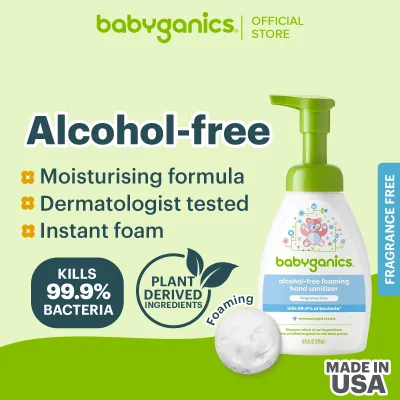
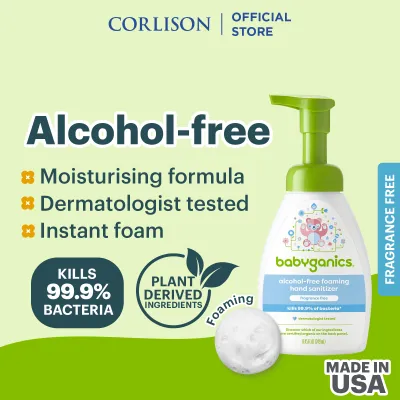
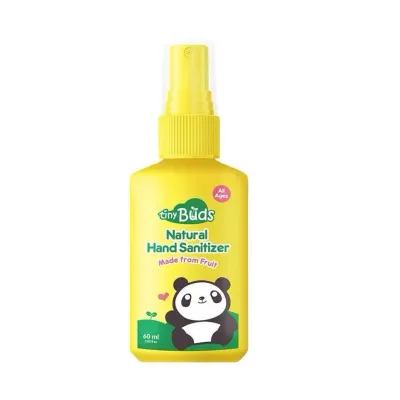
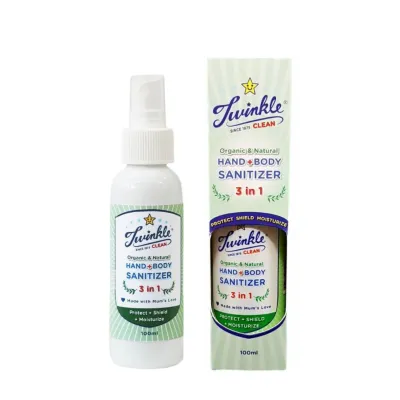
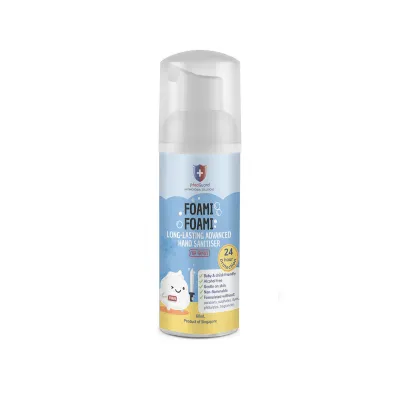
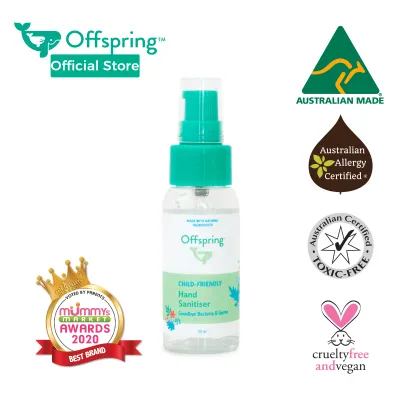
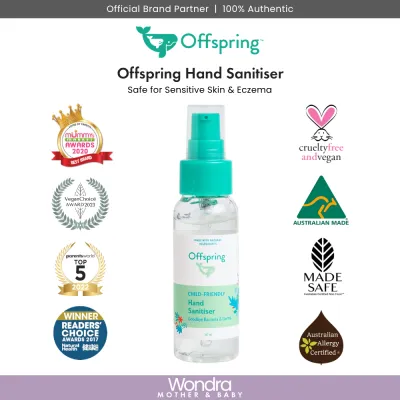
Prices are valid at publication and may change. Please refer to the product page for the latest price.
Why Soap and Water Are the Safest Choice for Infants
To understand why hand sanitizers are discouraged for babies, it is helpful to look at how soap and water work compared to leave-on chemical rubs. Soap acts as a surfactant, physically lifting dirt, oils, viruses, and bacteria off the skin so they can be completely rinsed away down the drain. This mechanical removal is highly effective and leaves absolutely no chemical residue behind on the skin, making it completely safe for a child who constantly puts their hands in their mouth.
In contrast, hand sanitizers do not clean or remove dirt; they merely neutralize certain pathogens on contact and leave the chemical ingredients behind on the skin surface. For an infant, whose body systems are still developing rapidly, these lingering chemicals present significant risks that far outweigh the convenience of a quick rub.
Alcohol Toxicity and Ingestion Risks
Infants explore their world primarily through touch and taste, exhibiting a natural hand-to-mouth reflex that is crucial for their cognitive development. If you apply an alcohol-based hand sanitizer to a baby’s hands, those hands will almost certainly end up in their mouth shortly afterward. This behavior introduces a direct pathway for chemical ingestion that can have serious consequences.
Because of their small body mass and immature metabolic systems, babies are exceptionally vulnerable to alcohol poisoning. Even a tiny amount of ingested alcohol from a hand sanitizer can cause a rapid drop in blood sugar, known as hypoglycemia, which can lead to seizures or extreme lethargy. An infant’s liver is not yet fully equipped to process ethanol or isopropyl alcohol, meaning that what seems like a negligible drop to an adult can quickly become a medical emergency for a baby.
Furthermore, infants cannot follow instructions to keep their hands away from their faces or eyes while a product dries. The risk of accidental ingestion, paired with the potential for painful chemical burns if they rub their eyes with wet sanitizer, makes alcohol-based rubs entirely unsuitable for babies who cannot yet understand and follow safety directions.
Skin Sensitivity and Irritation
An infant’s skin barrier is fundamentally different from that of an adult. It is up to thirty percent thinner, highly permeable, and significantly more sensitive to environmental inputs. This delicate barrier is designed to absorb moisture, but it also absorbs topically applied chemicals much more readily, increasing the risk of localized reactions and systemic absorption.
Frequent exposure to high concentrations of alcohol strips the skin of its natural lipids and essential moisture. In Singapore’s warm, humid climate, families often move between hot outdoor environments and heavily air-conditioned indoor spaces, which can already dry out a baby’s skin. Introducing a harsh solvent like alcohol to this delicate balance can cause rapid drying, micro-cracking, and painful irritation.
When the skin barrier is compromised by micro-cracks, it loses its ability to defend against environmental irritants and pathogens. This can trigger or severely worsen common pediatric skin conditions such as atopic dermatitis (baby eczema) or contact dermatitis. Once the skin is cracked and inflamed, applying sanitizer becomes incredibly painful, creating a cycle of discomfort and further barrier damage.
How to Safely Use Hand Sanitizer on Toddlers and Older Children
As babies transition into toddlerhood—typically around the age of two—their skin barrier becomes more resilient, and they begin to develop the cognitive capacity to follow simple instructions. At this stage, hand sanitizer can transition from a hazard to a useful secondary hygiene tool, provided parents select the right formulas and maintain strict control over how the product is applied.

Using hand sanitizer on a toddler should never be an independent task. It requires active parental involvement from the moment the bottle is opened until the product is completely dry. By establishing safe habits early, you can protect your child from accidental chemical exposure while keeping germs at bay during family outings.
Choosing the Right Formula and Reading Labels
When shopping for a baby hand sanitizer or toddler-safe option, reading the ingredient label is your first line of defense. To be effective against common pathogens, health authorities recommend an alcohol concentration of at least 60% ethanol or 70% isopropyl alcohol. However, keep in mind that higher alcohol concentrations are inherently more drying, so you should look for formulas that balance this with soothing, non-comedogenic moisturizing agents like aloe vera or glycerin.
Avoid any products that contain synthetic fragrances, artificial dyes, or harsh chemical preservatives, as these are primary triggers for allergic contact dermatitis in young children. Terms like “parfum” or “fragrance” on a label often mask a complex mixture of chemicals that can easily irritate sensitive skin. Opt for unscented, dermatologist-tested formulas specifically designed for sensitive pediatric skin.
Some parents consider alcohol-free sanitizers, which often use benzalkonium chloride as the active antimicrobial agent. While these formulas do not carry the same acute alcohol inhalation or ingestion risks, they are not without drawbacks. Benzalkonium chloride is slower to act, less effective against certain non-enveloped viruses, and can still cause skin sensitization or contact allergies with frequent use. Additionally, always check official consumer protection portals for recent safety recalls to ensure your chosen brand is free from dangerous industrial contaminants like methanol or benzene.
Safe Application Steps and Adult Supervision
To prevent accidents, hand sanitizer bottles must always be stored completely out of reach of children. Never leave a travel-sized sanitizer clipped to the outside of a stroller or diaper bag where a curious toddler can grab it. An adult must always be the one to dispense the product, controlling the exact amount used and supervising the entire application process.
To apply the sanitizer safely, follow these step-by-step guidelines:
- Dispense a minimal amount: Squeeze a small, pea-sized drop onto your own palm first, rather than directly onto the child's hands, to prevent accidental over-dispensing.
- Rub thoroughly: Transfer the product to your child's hands and rub it vigorously over all surfaces, including the backs of the hands, between the fingers, and around the fingernails.
- Enforce the dry-down phase: Hold your child's hands and keep them distracted—perhaps by singing a short song—for at least 15 to 30 seconds until the liquid has completely evaporated.
It is absolutely critical that the child’s hands are 100% dry before they are allowed to touch their face, rub their eyes, or handle food. The antimicrobial action of alcohol occurs during the evaporation process, meaning that wet sanitizer is both less effective and highly toxic if it comes into contact with the eyes or mouth.
First Aid: What to Do After Accidental Ingestion or Skin Irritation
Even with the most vigilant parenting, accidents can happen in a split second. Knowing exactly how to respond to accidental hand sanitizer ingestion or a sudden skin reaction can prevent a minor mishap from escalating into a serious health crisis. Keep these first-aid protocols handy and remain calm if an emergency arises.
Ingestion Protocol
If you suspect or witness your child ingesting hand sanitizer, do not attempt to induce vomiting. Forcing a child to throw up can cause the chemical mixture to enter their lungs, leading to a highly dangerous condition known as chemical pneumonitis. Instead, follow these immediate steps:
- Clear the mouth: Gently wipe the inside of your child's mouth with a clean, damp cloth to remove any remaining gel or liquid.
- Offer fluids: If the child is fully awake, alert, and able to swallow normally, offer a small amount of water or milk to help dilute the ingested sanitizer.
- Seek immediate medical help: If you are in Singapore, call 995 for emergency services or transport the child directly to the nearest Accident & Emergency (A&E) department. Bring the hand sanitizer bottle with you so the medical staff can identify the exact ingredients and concentration.
Skin Reaction Protocol
If your child develops sudden redness, itching, swelling, or hives after using a hand sanitizer, they may be experiencing contact dermatitis or an allergic reaction. Take these steps immediately to soothe the skin:
- Rinse the area: Flush the child's hands and arms under cool or lukewarm running water for several minutes to wash away any remaining product.
- Wash gently: Use a mild, soap-free baby cleanser to ensure all chemical residues are completely removed, then gently pat the skin dry with a soft towel without rubbing.
- Moisturize: Apply a generous layer of a gentle, fragrance-free baby moisturizer or barrier cream to help calm the irritation and support the recovering skin barrier.
When to See a Doctor
Monitor your child closely after any adverse event. You should seek professional medical care or consult your pediatrician if you notice persistent skin redness, blistering, swelling, or if your child shows signs of systemic distress after ingestion, such as unusual drowsiness, vomiting, confusion, or difficulty breathing.
Disclaimer: The first-aid information provided in this section is for general educational purposes only and must not be used as a substitute for professional medical advice, diagnosis, or emergency treatment. Always consult a qualified healthcare professional or emergency services for medical emergencies.
Frequently Asked Questions (FAQ)
Can I use hand sanitizer on my baby's hands before they eat?
No, you should not use hand sanitizer on a baby’s hands before meals. Because infants and toddlers frequently use their fingers to feed themselves, any sanitizer residue left on their skin can easily transfer directly to their food and be ingested. This can cause stomach irritation or expose them to trace chemical toxins. For pre-meal cleanup, always wash their hands thoroughly with plain soap and running water, or use a clean, damp cloth if you are away from a sink.
Are alcohol-free hand sanitizers safe for newborns?
No, alcohol-free hand sanitizers are not safe for newborns. While these formulas avoid the acute toxicity risks associated with high-concentration alcohol, they rely on alternative chemical antimicrobials like benzalkonium chloride. A newborn’s skin is incredibly thin and highly permeable, making it exceptionally vulnerable to chemical irritation, absorption, and allergic reactions from these active ingredients. For newborns, stick exclusively to washing with warm water and a mild, pediatrician-approved soap.
How do I clean my baby's hands when on the go?
When you are out and about without easy access to a sink, you can maintain excellent hand hygiene by carrying a travel thermos filled with warm water, a small bottle of mild baby soap, and a clean washcloth. Alternatively, you can use high-quality, fragrance-free, alcohol-free baby wipes to physically wipe away dirt and germs from your baby’s hands. Always allow their hands to air dry completely after wiping before letting them touch their face or handle finger foods.

Community discussion
Share your experience or ask a question. Comments are reviewed before publication.