
The Short Answer: Fragrance and Sensitive Baby Skin
When managing your baby’s sensitive or eczema-prone skin, the fragrances found in many kids detergents are generally not considered safe and should be avoided. It is crucial to understand that “kids detergent” is primarily a marketing term rather than a regulated safety standard. While older children or infants with typical, resilient skin may tolerate mild scents without immediate adverse effects, compromised skin barriers require strict protection from potential irritants.
The general consensus among pediatric dermatologists is to opt for completely fragrance-free formulas for babies with reactive skin. Fragrance chemicals serve no functional purpose in cleaning clothes; they are added solely for sensory appeal. For a baby dealing with dryness, redness, or eczema, these unnecessary additives can easily trigger painful flare-ups and skin barrier breakdown.
Why Fragrances Can Trigger Skin Reactions in Babies
An infant’s skin is fundamentally different from adult skin. It is up to thirty percent thinner, loses moisture much more rapidly, and has a highly permeable outer layer. This delicate barrier means that any chemical coming into contact with your baby’s clothes can easily penetrate the skin. In Singapore’s year-round tropical heat and high humidity, babies sweat frequently. This sweat can dissolve lingering detergent residues trapped within fabric fibers, holding those chemicals directly against the skin and intensifying irritation.
Products mentioned in this guide
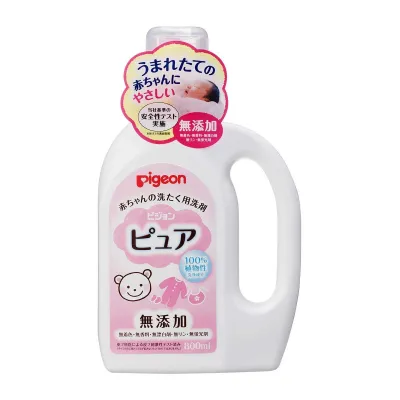
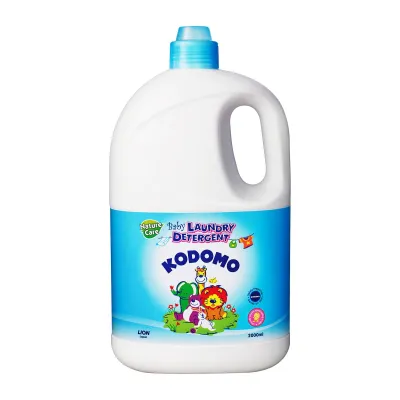
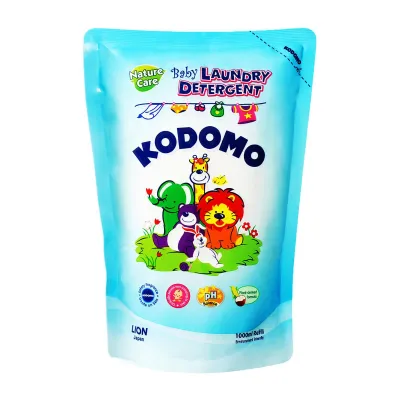
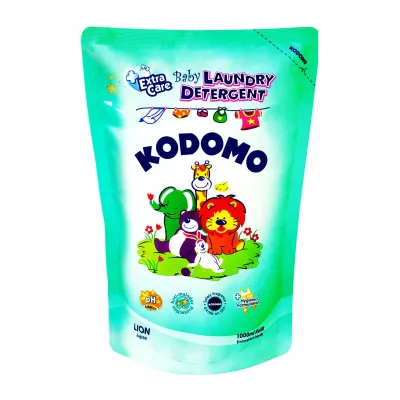
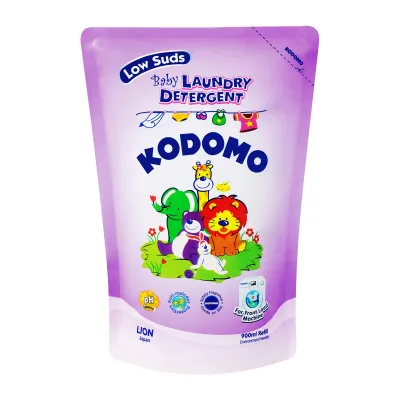
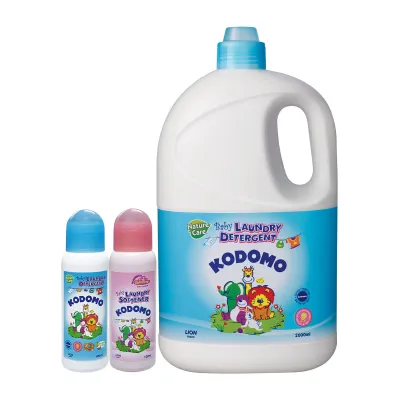
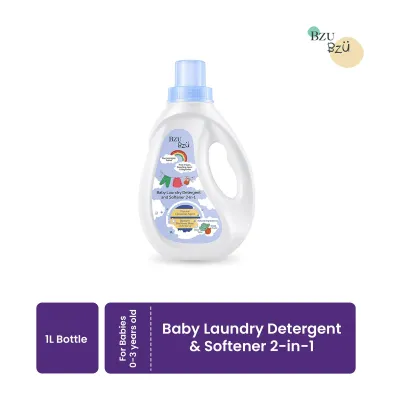
Prices are valid at publication and may change. Please refer to the product page for the latest price.

When a baby reacts to a laundry product, the response typically falls into one of two categories: irritant contact dermatitis or allergic contact dermatitis. Irritant contact dermatitis is a non-allergic reaction that occurs when a substance physically damages the skin’s protective outer layer. This often manifests as immediate dryness, rough patches, or mild redness. Allergic contact dermatitis, on the other hand, involves the immune system. This reaction occurs after repeated exposure to an allergen, causing the body to develop a specific sensitivity that triggers an itchy, red, and sometimes bumpy rash hours or days after contact.
Synthetic and natural fragrances are among the most common triggers for both types of dermatitis. The primary challenge for parents is that the single word “fragrance” or “parfum” on an ingredient label is legally protected as a trade secret. This label can represent a proprietary blend of dozens of undisclosed chemical compounds, including phthalates, synthetic musks, and preservatives. Because manufacturers are not required to list these individual components, it is impossible to know which specific chemical is touching your baby’s skin.
Decoding Detergent Labels: Hidden Fragrances and Masking Agents
Navigating the laundry aisle requires looking past front-of-package marketing claims. Phrases like “gentle,” “pure,” “baby-safe,” or “hypoallergenic” are not legally defined or standardized. A product labeled as a “kids detergent” may still contain heavy synthetic perfumes designed to appeal to parents. To protect your baby’s skin, you must turn the bottle over and carefully examine the ingredient list.
Scan the label for terms that indicate the presence of scent-producing chemicals. Common culprits include “fragrance,” “parfum,” “aroma,” and “essential oils.” It is a common misconception that natural essential oils, such as lavender, citrus, or chamomile, are inherently safe for sensitive skin. In reality, essential oils contain natural volatile organic compounds like linalool and limonene, which are known allergens that can trigger severe skin reactions in sensitive infants.
Furthermore, parents must distinguish between “unscented” and “fragrance-free” products. An “unscented” detergent is not necessarily free of fragrance chemicals. Instead, it often contains chemical masking agents formulated to neutralize the unpleasant, chemical smell of the raw ingredients, resulting in a product with no perceptible odor. These masking agents can still irritate highly reactive skin. A truly “fragrance-free” detergent, by contrast, contains absolutely no fragrance chemicals or masking agents.
To simplify your search, look for products that carry recognized sensitive skin or eczema seals, such as those from national eczema associations. These seals indicate that the product has met specific criteria for low irritation potential. However, because formulations can change without notice, always verify the current certification status of a product on the issuing organization’s official website before purchasing.
A Step-by-Step Plan to Test and Transition Detergents
Switching to a new laundry routine requires a systematic approach to ensure your baby’s skin tolerates the change. Rather than washing your child’s entire wardrobe at once, follow this step-by-step transition plan to minimize risk.
- Select a Fragrance-Free Formula: Choose a liquid detergent that is explicitly labeled as fragrance-free and dye-free. Liquid detergents generally rinse out of fabrics more effectively than powder formulas, which can leave behind abrasive mineral residues.
- Perform a Fabric Patch Test: Wash a single, small item of clothing—such as a cotton onesie or a washcloth—with the new detergent. Do not mix this item with laundry washed in your old detergent.
- Conduct Controlled Exposure: Have your baby wear the washed onesie or use the washcloth on a small, healthy patch of skin for a few hours. Ensure the skin is free of existing rashes before starting the test.
- Monitor for Delayed Reactions: Observe the contact area closely over a forty-eight to seventy-two hour window. Allergic contact dermatitis is notorious for delayed onset, meaning a reaction may not appear immediately after contact.
- Implement an Extra Rinse Cycle: When washing your baby's clothes, bedding, and towels, always program your washing machine to run an extra rinse cycle. This physical flushing step is highly effective at removing lingering surfactant residues from fabric fibers.
- Transition the Entire Household: If your baby shows no signs of irritation after three days, gradually transition the rest of their wardrobe. Eventually, consider washing all household linens, adult clothing, and shared bedding in the same fragrance-free detergent, as your baby spends significant time pressed against your clothes.
Recognizing Adverse Reactions and When to Consult a Professional
Even with careful selection, sensitive skin can occasionally react to laundry residues. Monitoring your baby’s skin daily allows you to catch early signs of irritation before they develop into widespread, painful flare-ups.
Look for localized patches of dry, rough, or scaly skin. Mild redness or small, raised pink bumps are also common indicators of irritation. These reactions typically appear first in areas where clothing fits tightly or rubs against the body, such as around the collar, cuffs, waistband, thighs, and diaper line. If you notice these signs, immediately discontinue the suspected detergent and revert to a known safe, fragrance-free baseline. Rewash all recently laundered clothing and bedding multiple times in plain, warm water to strip out any remaining chemical residues.
While mild irritation often resolves once the trigger is removed, certain symptoms require professional medical evaluation. Consult a pediatrician or a pediatric dermatologist if you observe weeping skin, yellow crusting, or pus, which are signs of a secondary bacterial infection. You should also seek professional help if the rash is widespread, causes your baby significant discomfort or sleep disruption, or fails to improve after several days of using fragrance-free products. A medical professional can provide targeted topical treatments to soothe inflammation and help rebuild your baby’s compromised skin barrier.
Frequently Asked Questions (FAQ)
Can I use fabric softeners or dryer sheets with kids detergent?
No, you should avoid fabric softeners and dryer sheets entirely if your baby has sensitive or eczema-prone skin. These products work by depositing a thin, chemical film over fabric fibers to make them feel soft and reduce static. This film is heavily loaded with synthetic fragrances and quaternary ammonium compounds, both of which are notorious triggers for skin irritation and eczema flare-ups. In Singapore’s humid climate, many families dry laundry indoors or on shaded balconies, which can sometimes leave clothes feeling stiff. Instead of chemical softeners, use physical softening methods such as 100% wool dryer balls in the dryer, or simply accept a slightly less plush texture as a safer alternative for your baby’s skin.
Does washing baby clothes in hot water remove fragrance residue better?
While hot water can help dissolve certain oils and detergent residues, relying solely on extreme heat is not recommended. Very hot water can damage delicate baby fabrics, cause significant shrinkage, and permanently set protein-based stains like breastmilk, formula, or baby food. Instead of using excessively hot water, follow the care labels on your baby’s garments. The most reliable way to eliminate detergent and fragrance residues is to run an extra rinse cycle with cool or warm water. This mechanical flushing action ensures that dissolved surfactants are thoroughly rinsed out of the fabric fibers without compromising the integrity of the clothing.

Community discussion
Share your experience or ask a question. Comments are reviewed before publication.