
Choosing the right cleansing products for your little one is a top priority for parents, especially when navigating the wide array of household soaps available on the shelves. If you are wondering whether a standard household product like Follow Me hand soap is safe to use on your baby, the direct answer is that general-purpose hand soaps are typically not formulated for infant skin. Unless a product is explicitly labeled by the manufacturer as safe for babies or infants, it should not be used for baby bathing or hygiene.
Infant skin is highly delicate, thin, and sensitive compared to adult skin. Consequently, adult hand soaps often contain stronger cleansing agents, fragrances, and preservatives that can easily disrupt a baby’s fragile skin barrier. To determine if any specific hand soap is appropriate for your baby, you must carefully inspect the product packaging, verify the manufacturer’s age recommendations, and check for specific skin sensitivity warnings. Ultimately, product suitability depends on the exact formulation of the soap, your baby’s unique skin condition, and how the product is used.
Understanding Health Sciences Authority Oversight for Baby Skincare
When shopping for baby care products in Singapore, parents often look for regulatory reassurances. You might wonder if a product has been certified or approved by the Health Sciences Authority (HSA). To make informed decisions, it is essential to understand how the HSA regulates cosmetic products, which include baby washes, shampoos, and general hand soaps.
Products mentioned in this guide
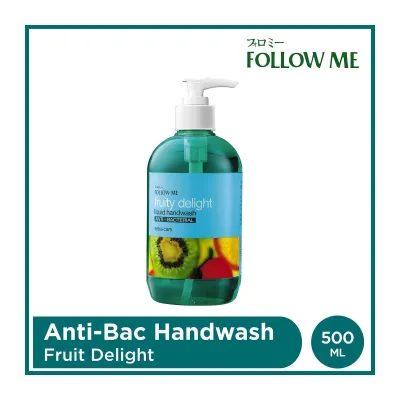
Prices are valid at publication and may change. Please refer to the product page for the latest price.
Unlike therapeutic medicines or medical devices, cosmetic products do not undergo a pre-market approval or certification process by the HSA. This means the HSA does not physically test or officially approve every baby soap or hand wash before it hits retail shelves. Instead, Singapore operates under a post-market surveillance and notification system, which aligns with the ASEAN Cosmetic Directive.
Under this regulatory framework, the local company responsible for importing, manufacturing, or distributing the cosmetic product must submit a product notification to the HSA before placing it on the market. This notification is a formal declaration by the company that the product complies with all safety requirements, does not contain prohibited substances, and is manufactured under hygienic conditions.
Once a product is on the market, the HSA actively monitors its safety through post-market surveillance. This includes conducting random product sampling, testing for undeclared harmful ingredients, and monitoring adverse reaction reports from consumers and healthcare professionals. If a product is found to pose a safety risk, the HSA has the authority to order recalls, issue public alerts, and require the manufacturer to withdraw the product from sale.
To verify regulatory compliance, parents should look for clear labeling on the product packaging. Legally, notified cosmetic products in Singapore must display the name and address of the local distributor or importer, a complete list of ingredients, and the batch number. If you are unsure about a product’s status, you can contact the brand’s official customer service channels to verify their HSA notification details.
How to Check Product Labels and Ingredients for Infant Safety
Evaluating a product’s safety requires looking beyond marketing claims on the front of the bottle. Parents must learn to read the ingredient list and product labels to identify potential risks to their baby’s skin. Here is a practical checklist to help you assess any hand soap or bath product before use.

Scan for Harsh Surfactants Surfactants are the cleansing agents responsible for creating lather and removing dirt. However, some surfactants are too aggressive for infant skin. Avoid products containing Sodium Lauryl Sulfate (SLS) or Sodium Laureth Sulfate (SLES). These ingredients can strip away the natural lipids that protect your baby’s skin, leading to dryness, redness, and irritation. Instead, look for mild, plant-derived surfactants such as coco-glucoside, decyl glucoside, or lauryl glucoside.
Identify Fragrances and Preservatives Synthetic fragrances are among the most common triggers for allergic contact dermatitis in infants. On the ingredient list, these are often grouped under generic terms like “Fragrance” or “Parfum.” For babies, fragrance-free products are highly recommended. Additionally, check the label for harsh preservatives. Avoid products containing parabens, methylisothiazolinone (MIT), or formaldehyde-releasing preservatives (such as DMDM hydantoin), as these can cause skin sensitization.
Look for Age-Appropriate and Dermatological Claims Check if the packaging explicitly states that the product is formulated for babies, infants, or newborns. Look for reputable claims such as “dermatologically tested,” “hypoallergenic,” or “tear-free.” While these claims are helpful indicators, they should always be verified against the actual ingredient list, as definitions can vary between manufacturers.
Verify the pH Balance A baby’s skin has a natural pH of approximately 5.5, which is slightly acidic. This “acid mantle” acts as a barrier against harmful bacteria and environmental irritants. Standard adult hand soaps often have an alkaline pH (ranging from 9 to 10), which can disrupt this natural acidity. Look for products that are explicitly labeled as “pH-balanced” or “pH 5.5” to ensure they support the skin’s natural defenses.
Perform a Patch Test Even if a product appears safe on paper, you should always perform a patch test before using it on your baby’s skin for the first time. Follow these steps to conduct a safe patch test:
- Dilute a tiny drop of the soap with water.
- Apply a small amount to a clean, clear patch of your baby's skin, such as the inner forearm or the side of the thigh.
- Wash the area gently after a short period, then pat it dry.
- Observe the tested area closely over the next 24 to 48 hours.
- Check for any signs of redness, swelling, dry patches, flaking, or tiny bumps. If any reaction occurs, do not use the product on your baby.
Why Dedicated Baby Wash Differs from Standard Hand Soap
It can be tempting to use whatever soap is closest to the sink or bath when cleaning your baby, but standard hand soaps and dedicated baby washes are formulated very differently. Understanding these differences highlights why specialized baby products are the safest choice for daily hygiene.
Surfactant Strength and the Skin Barrier The primary difference lies in the strength of the cleansing agents. Standard hand soaps are designed to wash away stubborn dirt, grease, and pathogens from adult hands, which have a thicker, fully developed outer skin layer. To achieve this, adult soaps utilize strong anionic surfactants. In contrast, dedicated baby washes are formulated with ultra-mild, non-ionic or amphoteric surfactants. These gentle cleansers remove surface dirt and sweat without penetrating or damaging the delicate lipid barrier of an infant’s skin.
Moisturizing Agents versus Deep Cleansing Standard hand soaps focus heavily on deep cleansing, which can leave the skin feeling “squeaky clean.” This sensation actually indicates that the skin’s natural protective oils have been stripped away. Baby washes, on the other hand, are formulated to deposit moisture back into the skin. They often contain high concentrations of emollients and humectants—such as glycerin, lipids, or natural plant extracts like chamomile and aloe vera—to help reinforce and protect the developing skin barrier.
Formulation for Sensitive Areas Standard hand soaps are not formulated for use near sensitive areas like the eyes. Accidental contact can cause severe stinging, tearing, and discomfort for your baby. Dedicated baby washes are typically formulated to be “tear-free,” meaning they use specific mild surfactants that do not irritate the eyes if accidental splashing occurs during bath time.
When Dedicated Baby Wash is Necessary For daily baths, cleaning the diaper area, and washing sensitive skin folds, a dedicated baby wash is highly recommended. Standard hand soap should not be used as a regular substitute for baby bath products. Continuous use of adult hand soap on an infant can lead to chronic skin dryness, barrier disruption, and an increased risk of developing conditions like eczema or contact dermatitis.
Recognizing Irritation and When to Consult a Pediatrician
Even when using products designed for infants, skin irritation can still occur. Parents must remain vigilant, monitor their baby’s skin condition, and know how to respond if an adverse reaction develops.
Observable Signs of Skin Irritation Keep a close eye on your baby’s skin during and after bath time. Signs of irritation or an allergic reaction include:
- Localized redness or flushing of the skin.
- Dry, rough, or flaky patches.
- Tiny red bumps, papules, or hives.
- Signs of itching or discomfort, such as the baby scratching, rubbing their skin, or becoming unusually fussy.
- Swelling or warmth in the area where the product was applied.
Immediate Action Steps for Adverse Reactions If you suspect a product has caused skin irritation, take the following steps immediately:
- Stop using the product right away.
- Rinse the affected area thoroughly with plenty of lukewarm, clean water to ensure all soap residue is completely removed.
- Gently pat the skin dry with a soft, clean cotton towel. Avoid rubbing, which can worsen the irritation.
- Apply a thin layer of a mild, fragrance-free baby moisturizer or a barrier cream to help soothe the skin.
- Keep the product packaging in case you need to refer to the ingredients or batch details later.
When to Consult a Healthcare Professional While mild irritation often resolves quickly once the offending product is discontinued, some situations require professional medical advice. You should consult a pediatrician or a dermatologist in Singapore if:
- The redness, rash, or dryness does not improve after a few days of stopping the product.
- The skin becomes cracked, bleeds, or oozes yellow fluid, which can indicate a secondary bacterial infection.
- The rash is widespread, covers a large portion of the baby's body, or is accompanied by a fever.
- Your baby is in significant distress, crying persistently, or unable to sleep due to skin discomfort.
Frequently Asked Questions (FAQ)
Can I use regular hand soap on my baby in an emergency?
If you find yourself without dedicated baby wash, the safest immediate alternative is to use plain, lukewarm water. Water is highly effective at removing sweat, dust, and minor surface dirt without disrupting your baby’s delicate skin barrier.
If you must use soap to clean a sticky or greasy substance, choose the mildest, fragrance-free hand soap available. Dilute a tiny drop of the soap in a large amount of water to minimize its strength, apply it quickly to the specific area, and rinse it off thoroughly with plenty of clean water. Immediately after drying, apply a safe, infant-appropriate moisturizer to help replenish lost moisture and protect the skin barrier. Avoid making this a regular habit, and transition back to a dedicated baby wash as soon as possible.
How do I report an adverse reaction to a skincare product in Singapore?
If your baby experiences a severe or unexpected adverse reaction to a skincare product or hand soap in Singapore, you can report the incident to the Health Sciences Authority (HSA). While healthcare professionals typically submit these reports on behalf of patients, consumers can also submit feedback directly through the HSA’s official website.
To file a complete report, you will need to provide specific details, including the exact product name, the manufacturer or local distributor’s details, the batch or lot number (usually printed on the bottom or crimp of the packaging), clear photographs of the skin reaction, and a description of how the product was used. It is highly recommended to keep the physical product and its packaging, as the HSA may require them for testing or investigation during their safety review.
Community discussion
Share your experience or ask a question. Comments are reviewed before publication.