
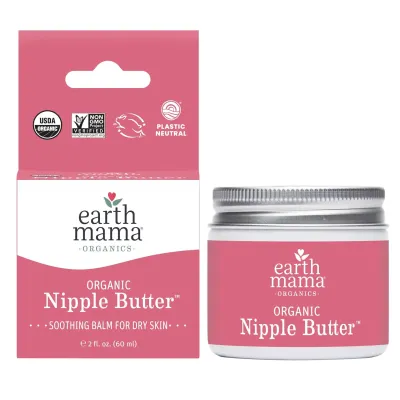
Breastfeeding is a deeply rewarding journey, but it also presents physical challenges, particularly during the first few weeks when your baby is learning to latch. The delicate skin of the nipple and areola is subjected to frequent friction, moisture from baby saliva, and constant stretching, which can lead to dryness, irritation, and painful cracking. To soothe this discomfort, many mothers turn to topical barriers, with Earth Mama Organic Nipple Butter being one of the most widely recognized plant-based options on the market.
When selecting a product that will be applied directly to an area your infant frequently latches onto, understanding the safety profile of every single ingredient is paramount. Because newborns have highly sensitive skin and developing digestive systems, any product left on the breast must be safe for potential ingestion and free from harsh synthetic chemicals. Examining the formulation of your chosen nipple balm allows you to make an informed decision that supports your physical comfort while prioritizing your baby’s health.
This guide breaks down the science behind plant-based nipple butter formulations, analyzes the general safety of food-grade ingredients for nursing infants, and provides practical advice on application, allergen screening, and storage. By learning how to read ingredient labels and monitor your baby’s reactions, you can confidently navigate postpartum skin care and ensure a safer, more comfortable breastfeeding experience.
Products mentioned in this guide
![[2-Pk] Earth Mama Organic Baby Nipple Butter 2 fl oz (60 ml) Exp: 01/29](https://img.lazcdn.com/g/p/a2af7fb195c1e383592130434ddd233e.png_400x400q80.png_.webp)
Prices are valid at publication and may change. Please refer to the product page for the latest price.
Decoding the Ingredient List: What to Look For
Understanding what goes onto your body—and potentially into your baby’s mouth—starts with a close inspection of the ingredient list. Plant-based nipple butters generally rely on a combination of natural emollients, botanical extracts, and plant waxes to soothe and protect dry skin. Unlike petroleum-derived products, which create a completely occlusive barrier that can trap moisture and bacteria, plant-based formulations are designed to mimic the skin’s natural lipid structure while allowing the skin to breathe and heal.
Emollients form the foundation of these soothing balms, working to soften the skin and restore its natural moisture barrier. Common plant-based emollients include olive oil, shea butter, cocoa butter, and mango butter. Olive oil is rich in oleic acid and antioxidants, helping to deeply hydrate dry skin cells. Shea butter and cocoa butter are rich, solid fats that melt at body temperature, providing a smooth texture that easily glides over sensitive, tender skin. These ingredients work by filling the microscopic gaps between peeling skin cells, creating a smooth, hydrated surface that is more resilient to the friction of nursing.
To give the balm a stable, spreadable structure, manufacturers incorporate natural waxes such as beeswax or candelilla wax. These waxes act as natural thickeners, preventing the liquid oils from separating and ensuring the product remains easy to apply. Beyond structural support, natural waxes form a light, protective, semi-occlusive barrier on the skin’s surface. This barrier helps lock in the moisture provided by the emollients, shielding cracked skin from external irritants, such as the friction of nursing pads or clothing, while still allowing natural air circulation.
However, because manufacturers occasionally update their product formulations to improve texture, extend shelf life, or comply with changing organic standards, you should never rely solely on older online descriptions or marketing claims. The most accurate way to verify what is in your specific jar is to read the International Nomenclature of Cosmetic Ingredients (INCI) list printed directly on the physical product packaging. This standardized naming system ensures that every ingredient is listed by its scientific or botanical name, giving you an unambiguous look at the formulation.
It is also essential to distinguish between broad marketing terms like “natural,” “herbal,” or “clean” and the actual verified ingredients on the label. Marketing claims are often unregulated and can be used loosely to describe products that still contain synthetic preservatives, artificial fragrances, or petroleum derivatives. By focusing on the INCI list, you can bypass commercial hype and confirm whether the product is truly made from organic, food-grade ingredients that are appropriate for a nursing infant.
Breastfeeding Safety: Are Plant-Based Butters Safe for Baby?
The primary concern for any breastfeeding mother using a topical cream is whether the product is safe for their baby to ingest. During a typical nursing session, an infant’s mouth comes into direct contact with the nipple and areola, meaning trace amounts of any applied balm will inevitably be swallowed. For this reason, pediatricians and lactation consultants strongly advise against using products that contain mineral oils, petroleum jelly, synthetic fragrances, or parabens, as these substances are not intended for oral consumption and can accumulate in an infant’s system.

Fortunately, high-quality, food-grade plant butters and oils possess an excellent safety profile when consumed in the microscopic quantities typical of breastfeeding. Ingredients like organic olive oil, sunflower seed oil, and shea butter are widely used in food production and are easily processed by an infant’s developing digestive tract. Because these plant-based fats are free from synthetic toxins and heavy metals, the risk of systemic toxicity from accidental ingestion is exceptionally low, providing peace of mind for parents.
One of the most common questions mothers ask is whether they must wash or wipe off nipple butter before every feeding session. Standard clinical consensus suggests that food-grade, plant-based balms do not need to be washed off before nursing, as frequent washing with water and soap can actually worsen skin dryness, remove the skin’s natural protective oils, and cause further cracking. However, because every infant is unique, it is always wise to seek individual guidance from your pediatrician or a certified lactation consultant to ensure your specific routine is safe for your baby.
Even when using a highly rated, organic product, you must remain vigilant and observe your baby for any subtle signs of sensitivity or digestive discomfort. After introducing a new nipple butter, monitor your baby for changes in their feeding behavior, unusual fussiness during or after nursing, or sudden changes in their stool consistency. Additionally, inspect your baby’s mouth and lips regularly for signs of localized irritation, such as redness, swelling, or tiny bumps, which could indicate an adverse reaction to one of the botanical ingredients.
While nipple butters are highly effective for soothing ordinary dryness and chafing, they are not medical treatments and have clear safety boundaries. If you experience severe, shooting pain during nursing, deep cracks that bleed persistently, or notice localized warmth, swelling, and pus, you may be dealing with a medical condition such as mastitis or a fungal infection like thrush. These conditions require targeted medical intervention, such as antibiotics or antifungal treatments, which cosmetic balms cannot provide. If you suspect an infection, or if your baby shows any signs of illness, discontinue use immediately and consult a healthcare professional.
Navigating Allergens and Skin Sensitivities
While organic and plant-based ingredients are generally gentle, they are not inherently free from allergen risks. In fact, botanical extracts and natural oils can sometimes trigger allergic reactions or contact dermatitis in individuals with sensitive skin. Because both your skin and your baby’s developing immune system will be exposed to the product, identifying potential allergens within the ingredient list is a crucial step before incorporating any new balm into your daily routine.
Several common botanical ingredients found in natural balms can act as potential allergens. For instance, shea butter is derived from the nut of the African shea tree; while it is highly refined and generally well-tolerated even by individuals with tree nut allergies, those with severe sensitivities should still approach it with caution. Other botanical ingredients, such as calendula extract, chamomile, or lavender oil, belong to specific plant families (like the Asteraceae family) that are known to cause allergic contact dermatitis in sensitive individuals.
To protect yourself and your baby, take the time to cross-reference the product’s INCI list with any known family allergies or skin sensitivities. If you or your partner have a history of eczema, asthma, or food allergies, your baby may have a higher predisposition to developing similar sensitivities. Carefully scanning the label for botanical names—such as Calendula officinalis or Butyrospermum parkii—ensures you do not accidentally introduce a known trigger to your household.
Before applying any new nipple butter to the highly sensitive breast area, performing a simple patch test on your own skin is highly recommended. Apply a small, pea-sized amount of the product to a clean patch of skin on your inner forearm or the crook of your elbow, where the skin is relatively thin. Leave the product on for 24 to 48 hours without washing the area, observing closely for any signs of redness, itching, swelling, or tiny bumps. If your skin remains clear and comfortable, the product is likely safe for topical application on your breasts.
Furthermore, if your infant has already been diagnosed with a specific allergy, such as a cow’s milk protein allergy or a severe food allergy, you must exercise extra caution. Trace amounts of topical ingredients can easily transfer to your baby’s skin or mouth during nursing, potentially triggering an allergic flare-up. In these cases, it is imperative to consult your pediatrician before using any new topical product on your breasts, ensuring that none of the ingredients will compromise your baby’s health or interfere with their ongoing allergy management.
How to Apply Nipple Butter Safely During Nursing Sessions
Applying nipple butter correctly is just as important as choosing the right product. Proper application techniques ensure that your skin receives the maximum soothing and protective benefits while minimizing the amount of excess product that could transfer to your baby or interfere with their ability to latch. By establishing a consistent and hygienic routine, you can support your skin’s natural healing process without disrupting your breastfeeding sessions.
The optimal timing for applying nipple butter is immediately after a nursing or pumping session. Applying the balm at this moment allows the plant-based emollients and waxes to absorb deeply into the stratum corneum during the longest possible interval between feeds. This timing gives your skin ample opportunity to heal and rebuild its moisture barrier, while also ensuring that most of the product has been absorbed by the time your baby is ready to latch again, reducing direct oral transfer.
To apply the butter safely, always begin by washing your hands thoroughly with warm water and a mild, unscented soap to prevent introducing bacteria to the sensitive breast area. Scoop a very small, pea-sized amount of the product using clean fingertips. Gently rub the butter between your fingers to warm it up; this melts the solid waxes and butters, transforming the product into a smooth, silk-like oil that glides effortlessly over tender skin. Pat or press the warmed oil gently onto your nipple and areola, forming a thin, even layer rather than a thick, heavy coating that could clog your skin’s pores.
If you find that the balm feels too heavy or greasy before your next nursing session, or if your baby struggles to maintain a secure latch due to a slippery surface, you can easily remove the excess product. Take a clean, soft washcloth, dampen it with warm water, and gently pat the nipple area to lift away any unabsorbed residue. Avoid rubbing the skin vigorously or using harsh body washes, as these actions can strip away your skin’s natural oils, cause further micro-tears, and exacerbate dryness and irritation.
Proper storage is also vital to maintaining the stability, safety, and texture of plant-based nipple butters, especially in warm and humid climates like Singapore. Because natural formulations do not contain synthetic stabilizers or chemical preservatives, they are highly sensitive to temperature fluctuations. Store your jar in a cool, dry, and shaded place, such as a bedroom cupboard or a pantry shelf, away from direct sunlight and humid bathrooms. If the ambient temperature causes the plant butters to melt or separate, simply stir the product with a clean, dry spoon and place the jar in the refrigerator for a short time to restore its smooth, solid consistency.
Frequently Asked Questions (FAQ)
Do I need to wipe off nipple butter before breastfeeding?
Many high-quality, plant-based nipple butters are formulated with food-grade ingredients, meaning they are designed to be safe for babies and do not strictly require wiping off before a feed. However, you should always check the manufacturer’s specific instructions on your product’s label, as formulations can vary. If you notice that your baby is slipping off the breast or struggling to maintain a deep latch due to a greasy surface, gently patting the area with a clean, warm, damp cloth before feeding can help improve their grip and support a more comfortable nursing session.
Can I use this nipple butter if I or my baby have a nut allergy?
If you or your baby have a known or suspected tree nut allergy, you must exercise caution and carefully review the ingredient list. Many natural nipple butters contain shea butter (Butyrospermum parkii), which is derived from a tree nut. While highly refined shea butter is generally considered low-risk and is tolerated by most people with nut allergies, individuals with severe, life-threatening anaphylactic reactions should consult an allergist or pediatrician before exposure. Always prioritize professional medical advice to ensure both your safety and your baby’s health.
How should I store plant-based nipple butters in a warm climate?
In warm and humid climates like Singapore, natural plant butters and waxes can easily melt, liquefy, or separate when exposed to temperatures above 30°C. To prevent this, store the product in a cool, dry area away from direct sunlight, such as an air-conditioned room or a dark cupboard. If your nipple butter does melt or become too runny, you can easily restore its original texture by giving it a quick stir with a clean utensil and placing the jar in the refrigerator for about 30 minutes until it solidifies again.
Community discussion
Share your experience or ask a question. Comments are reviewed before publication.