
Using baby antibacterial spray daily on an infant’s delicate skin is generally not recommended as a primary hygiene method. While these portable sanitizers offer a convenient solution when you are away from home, a baby’s skin barrier is structurally different from an adult’s and requires far more gentle care. Frequent exposure to active sanitizing chemicals can strip away natural protective oils, disrupt the skin’s delicate pH balance, and interfere with the developing skin microbiome. For daily hygiene, routine washing with mild, fragrance-free baby soap and clean water remains the safest and most effective standard.
Understanding how infant skin interacts with topical products is essential for preventing accidental irritation. While manufacturers design baby-specific formulations to be milder than standard adult sanitizers, ‘gentle’ does not mean entirely risk-free when used repeatedly. Parents should view these sprays as secondary, situational tools rather than daily essentials. By learning how to evaluate ingredients and recognize early signs of skin irritation, you can protect your baby’s skin barrier while maintaining excellent hygiene.
Why Infant Skin Reacts Differently to Antibacterial Sprays
An infant’s skin is not simply a miniature version of adult skin; it is a rapidly developing organ with unique physiological characteristics. The outermost layer of the skin, known as the stratum corneum, is significantly thinner in babies than in adults. This structural difference means the skin barrier is highly permeable, allowing topical substances, including chemical sanitizers, to penetrate much more deeply and rapidly into the underlying tissue.
Products mentioned in this guide
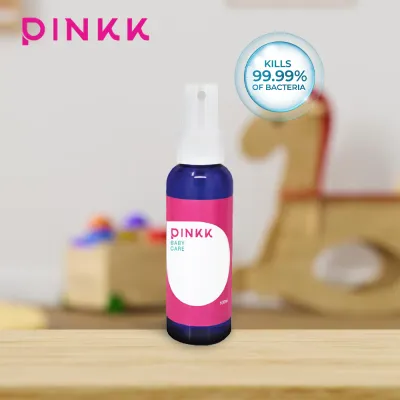
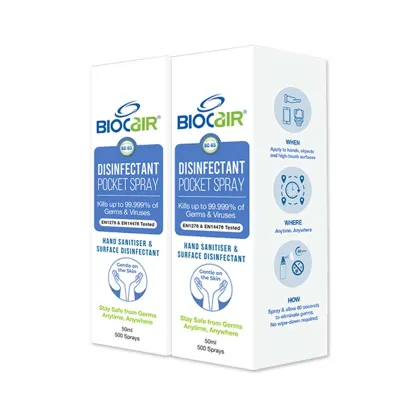
Prices are valid at publication and may change. Please refer to the product page for the latest price.
Additionally, babies have a much higher surface-area-to-body-weight ratio compared to adults. When you apply any topical product to an infant’s skin, the relative amount absorbed into their system is proportionally much greater than it would be for an adult. This physiological reality amplifies the potential impact of any chemical exposure, making infants far more vulnerable to localized irritation and systemic absorption of active ingredients.
The developing nature of the infant skin microbiome also plays a critical protective role. From birth, a baby’s skin gradually accumulates a diverse ecosystem of beneficial microorganisms that help defend against harmful pathogens and train the developing immune system. Frequent, daily application of antibacterial agents can indiscriminately eliminate these beneficial microbes. This disruption can delay the natural maturation of the skin’s microbiome, potentially leaving the skin more susceptible to opportunistic infections and chronic dryness.
Formulations designed for adult skin barriers are entirely unsuitable for babies due to these physiological differences. Adult sanitizers typically rely on high concentrations of alcohols or strong synthetic antimicrobials to achieve rapid sanitization. On an infant’s highly permeable skin, these robust formulations can cause immediate dehydration of skin cells, severe irritation, and chemical burns. Even products marketed specifically for babies must be evaluated carefully, as individual tolerance varies widely during the first year of life.
Potential Side Effects of Daily Use on Delicate Skin
Regular, daily application of antibacterial sprays can lead to several observable skin reactions and underlying health risks. One of the most common consequences of frequent sanitizing is the disruption of the skin’s natural moisture barrier. The active ingredients in these sprays, along with any accompanying surfactants, can strip away the essential lipids that bind skin cells together. Parents may begin to notice localized dryness, rough patches, flaking, or a tight, paper-like texture on the baby’s hands or arms.

Over time, this persistent dryness can transition into irritant contact dermatitis or allergic contact dermatitis. Irritant dermatitis occurs when a substance physically damages the skin barrier, leading to localized redness, warmth, and mild swelling. Allergic contact dermatitis, on the other hand, is an immune response to a specific ingredient, such as a preservative or fragrance, which can manifest as itchy red bumps, hives, or weeping patches. Because infant skin is highly reactive, repeated exposure to a sensitizing chemical increases the likelihood of developing these uncomfortable conditions.
Another critical concern unique to infants is the risk of ingesting chemical residues. Babies naturally explore their world through their mouths, frequently sucking on their fingers, hands, and toys. If you apply an antibacterial spray to your baby’s hands, they are highly likely to ingest trace amounts of the product’s active ingredients and preservatives. While a single instance may not cause harm, daily ingestion of chemical residues like benzalkonium chloride or synthetic surfactants can irritate the sensitive mucous membranes of the mouth and lead to mild gastrointestinal distress.
How to Evaluate Baby Sanitizer Labels and Ingredients
To protect your infant’s skin, it is crucial to look beyond front-label marketing claims and critically evaluate the ingredient list on the back of the packaging. When selecting a product for occasional use, check carefully for the presence of alcohols, synthetic fragrances, and harsh preservatives. Avoid products containing denatured alcohol, ethanol, or isopropyl alcohol high up on the ingredient list, as well as synthetic perfumes, parabens, methylisothiazolinone, or formaldehyde-releasing agents.
It is important to understand the regulatory and practical limits of common marketing terms. Claims such as ‘hypoallergenic,’ ‘baby-safe,’ ‘natural,’ or ‘dermatologist-tested’ are often used for marketing purposes and do not carry standardized, legally binding definitions that guarantee absolute safety. A product labeled ‘hypoallergenic’ can still contain ingredients that trigger a reaction in a baby with highly sensitive skin or eczema. Parents should treat these claims as helpful indicators rather than absolute guarantees of compatibility.
Always verify the specific age restrictions, dilution requirements, and usage instructions printed on the manufacturer’s label. Many baby antibacterial sprays are not recommended for newborns or infants under six months of age. Some concentrated formulas may require dilution, while others might explicitly warn against application on the hands to prevent ingestion. Reading these instructions thoroughly ensures you are using the product exactly as the manufacturer intended, minimizing the risk of accidental misuse.
Safe Application Steps and Practical Precautions
When situations arise where clean water and soap are completely unavailable, using a baby antibacterial spray can be a practical temporary measure. However, you should always perform a preliminary patch test before introducing any new product to your baby’s routine. Apply a single, tiny drop of the spray to a small, clear area of skin, such as the inside of the baby’s forearm or behind the knee. Observe the spot for 24 to 48 hours; if you notice any redness, swelling, or tiny bumps, do not use the product.
When applying the spray, take extreme care to avoid sensitive areas of the body. Never spray the product directly onto or near the baby’s face, eyes, nose, mouth, or genital areas. Additionally, avoid applying antibacterial solutions to broken skin, open scratches, eczema patches, or diaper rash. Applying chemical sanitizers to compromised skin can cause intense stinging, pain, and accelerated absorption of the active ingredients into the bloodstream.
Ensure you use the spray in a well-ventilated area to prevent the baby from inhaling aerosolized particles. Direct spraying can disperse fine droplets into the air, which can easily irritate an infant’s sensitive respiratory tract. A safer application method is to spray a small amount of the product onto your own clean hands or a soft cotton pad, allow any volatile carrier ingredients to evaporate for a few seconds, and then gently wipe the baby’s skin.
Remember that antibacterial sprays are strictly a secondary hygiene option and should never replace routine washing. Physical washing with mild, fragrance-free baby soap and warm water is always superior because it physically lifts and rinses away dirt, viruses, and bacteria from the skin surface. Sanitizing sprays merely attempt to neutralize pathogens on the skin, leaving dead microbes, dirt, and chemical residues behind.
When to Stop Using the Spray and Seek Medical Advice
Parents must remain vigilant and recognize the visual and behavioral red flags that indicate a baby is reacting poorly to an antibacterial spray. Discontinue the use of the product immediately if you observe persistent redness, peeling, blistering, swelling, or unexplained rashes at the application site. These physical symptoms indicate that the skin barrier has been compromised or that an allergic reaction is occurring.
Pay close attention to your baby’s behavioral cues during and immediately after you apply the spray. If your baby cries, pulls away, rubs their hands together frantically, or shows signs of general distress, the product may be causing painful stinging or burning. Even if there is no immediate redness visible on the skin, these behavioral signs are a clear indication that the formulation is too harsh for their current skin condition.
If your baby experiences a reaction, transition immediately back to gentle cleansing using only cool, plain water and a soft cloth to soothe the area. Avoid applying adult anti-itch creams, medicated ointments, or heavily fragranced lotions, as these can further irritate the damaged skin barrier. If the redness, swelling, or rash does not improve within 48 hours, or if it appears to spread or cause ongoing distress, consult a pediatrician or a pediatric dermatologist for professional guidance and safe treatment options.
Frequently Asked Questions (FAQ)
Can I use adult antibacterial spray on my baby in an emergency?
No, you should strictly avoid using adult antibacterial sprays on your baby, even in an emergency. Adult formulations contain much higher concentrations of active ingredients, such as isopropyl alcohol or harsh chemical disinfectants, which can easily penetrate an infant’s thin skin barrier and cause chemical burns, severe dehydration, or systemic toxicity. If you find yourself in an emergency without baby-specific products, a much safer interim measure is to use clean water and a soft, damp cloth to physically wipe away dirt and debris until you can wash with mild soap.
Are alcohol-free baby antibacterial sprays completely risk-free?
No, alcohol-free baby antibacterial sprays are not completely risk-free. While they eliminate the immediate drying effects associated with alcohols, they must rely on alternative active ingredients, surfactants, and preservatives to kill bacteria and keep the product shelf-stable. Ingredients such as benzalkonium chloride, botanical extracts, or synthetic preservatives can still cause contact allergies, skin irritation, or dryness in sensitive infants. It is essential to review the complete ingredient list and monitor your baby’s skin closely for any delayed reactions or cumulative irritation.
What is the safest way to clean my baby's hands on the go?
The safest and most practical way to clean your baby’s hands when you are away from home is to use unscented baby wipes specifically formulated for sensitive skin. Alternatively, you can carry a small travel bottle filled with plain water and a clean, soft washcloth to gently wipe their hands. Prioritizing your own hand hygiene is also highly effective; by thoroughly sanitizing your own hands before handling your baby or preparing their food, you significantly reduce the transfer of harmful germs without exposing their delicate skin to unnecessary chemicals.

Community discussion
Share your experience or ask a question. Comments are reviewed before publication.