
Plain, unsweetened, and appropriately prepared custard can be a safe and highly nutritious option for babies who are developmentally ready for solid foods. However, traditional custard contains common allergens like cow’s milk and eggs, and commercial varieties are often loaded with added sugars. Parents must carefully evaluate the ingredients, preparation methods, and developmental milestones before introducing this creamy treat to their little one’s diet.
Introducing solids is an exciting milestone, but it requires a careful approach to ensure safety and nutritional value. Custard can serve as an excellent vehicle for introducing healthy fats and proteins, provided it is prepared without harmful additives. By understanding what goes into the dish and how your baby’s body processes it, you can make informed decisions that support their growth and digestive health.
When to Introduce Custard: Age and Developmental Readiness
Around six months of age is the standard recommendation for introducing solid foods, including dairy and egg-based dishes. Physical milestones are more reliable than a calendar date. Look for signs of readiness: sitting upright with minimal support, maintaining excellent head and neck control, showing active interest in family meals, and losing the tongue-thrust reflex that automatically pushes solid food out of the mouth.
Products mentioned in this guide
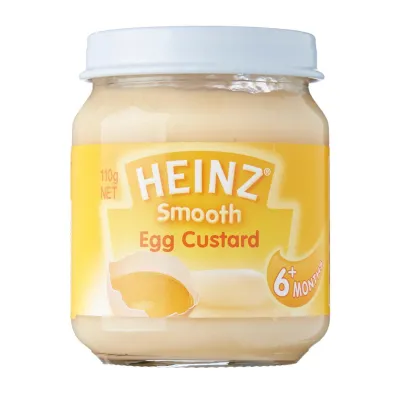
Prices are valid at publication and may change. Please refer to the product page for the latest price.
The smooth, semi-thick consistency of properly prepared custard is highly manageable for early spoon-feeding, making it an excellent transitional texture once these milestones are firmly met. It glides easily down the throat without requiring advanced chewing skills, which helps build confidence in swallowing. However, you should never rush this step; if your baby pushes the food back out with their tongue, they may not be developmentally ready quite yet.
Ingredient Breakdown: Nutritional Benefits and Potential Risks
Traditional custard relies on a simple base of milk, egg yolks, and a thickener. While these ingredients offer substantial nutritional benefits, they also present specific dietary risks that require careful management. Full-fat milk and egg yolks provide essential fats, calcium, and high-quality protein necessary for rapid infant growth. However, because dairy and eggs are among the most common childhood allergens, their introduction must be handled with deliberate care. Additionally, many commercial custards contain high levels of refined sugar, artificial sweeteners, and thickeners that are unsuitable for an infant’s developing digestive system.

Dairy and Eggs: Allergens and Nutrition
Nutritional Value Full-fat dairy and egg yolks are nutritional powerhouses for growing infants. The healthy fats in these ingredients support rapid brain development, while calcium and phosphorus promote strong bone growth. Egg yolks also provide iron and choline, which are vital for cognitive function and healthy cell membranes during this period of rapid physical development.
Allergen Introduction Because cow’s milk and eggs are highly allergenic, pediatric guidelines recommend introducing them one at a time. Offer a very small amount of custard—perhaps just a tiny lick from a spoon—on a day when your baby is healthy, and monitor them closely for several hours without introducing any other new foods. This isolated introduction makes it much easier to identify the exact source of any adverse reaction.
Signs of a Reaction Watch for immediate or delayed symptoms of an allergic reaction. These can include hives, redness around the mouth, swelling of the lips or face, vomiting, diarrhea, or sudden wheezing. If you observe any of these signs, stop feeding the custard immediately and consult a healthcare professional. Seek emergency medical care if your baby experiences breathing difficulties or severe swelling.
Sugar, Sweeteners, and Additives
The Honey Ban Under no circumstances should honey be used to sweeten custard for babies under 12 months old. Honey can carry spores of Clostridium botulinum, which can germinate in an infant’s immature digestive tract and cause infant botulism, a rare but life-threatening illness. Always check the ingredient labels of commercial custards to ensure honey is completely absent.
Refined Sugars and Sweeteners Refined sugars and artificial sweeteners should be completely avoided in baby food. An infant’s kidneys and metabolic systems are not designed to process high sugar loads, and early exposure to highly sweetened foods can permanently shape their taste preferences toward sugary snacks. This can make the introduction of bitter or neutral foods, like green vegetables, much more challenging later on.
Safe Alternatives If you want to add a touch of sweetness to homemade custard, rely on natural, whole-food options. Mashed ripe banana, pureed sweet potato, breast milk, or prepared infant formula can provide a subtle, baby-safe sweetness while adding extra nutrients. These options allow you to sweeten the dish without exposing your baby to the risks associated with refined sugars.
Store-Bought vs. Homemade Custard: Making the Right Choice
When shopping for commercial baby food, do not rely solely on front-of-pack marketing claims. Turn the package over and carefully read the ingredient list. Verify that the product contains no added sugars, no honey, and uses pasteurized dairy and egg ingredients. Check for any artificial preservatives, thickeners, or synthetic flavorings, and ensure the texture matches your baby’s current developmental stage. Many products marketed for babies still contain fruit juice concentrates, which are simply hidden forms of sugar.
Preparing custard at home gives you absolute control over the quality and safety of every ingredient. You can choose pasteurized organic milk, fresh eggs, and completely eliminate added sugars. It also allows you to adjust the thickness to match your baby’s swallowing capabilities, thinning it out with breast milk or formula if it turns out too thick.
To make a basic, baby-friendly custard, whisk one pasteurized egg yolk with a cup of full-fat pasteurized milk (or breast milk/formula). Gently heat the mixture over low heat, stirring constantly until it thickens slightly. Ensure the mixture is cooked thoroughly to eliminate any foodborne pathogens, then let it cool completely before serving. You can stir in a small amount of pureed fruit for natural flavor once the cooking process is complete.
How to Safely Serve Custard to Your Baby
Food safety is paramount when preparing egg and dairy dishes for infants. Ensure that the custard is cooked thoroughly to a safe temperature to eliminate any risk of Salmonella. If using fresh eggs, they must be fully cooked until the mixture is thick and steaming throughout, rather than left runny or lightly cooked.
The final product must be completely smooth, free of any lumps that could cause choking. As custard cools, a thin skin can form on the surface; whisk this skin back into the mixture or remove it entirely, as it can present a choking hazard for young babies. Always test the temperature on the inside of your wrist before feeding; it should be lukewarm or cool, never hot, to prevent painful mouth burns.
Freshly prepared custard should be stored in an airtight container in the refrigerator and consumed within 24 hours. Never save or reuse custard that has already been in contact with your baby’s spoon or saliva, as bacteria from the mouth can rapidly multiply in the nutrient-rich dairy mixture. Discard any leftovers from the feeding bowl immediately to prevent foodborne illness.
Frequently Asked Questions (FAQ)
Can I give my baby vegan or dairy-free custard?
Vegan or dairy-free custards made with plant-based milks (such as oat, almond, or coconut milk) can be offered, but they often have significant nutritional gaps compared to traditional dairy custard. Plant milks generally contain fewer calories, less protein, and lower levels of essential fats required for rapid infant development. If you choose a dairy-free alternative due to a diagnosed cow’s milk allergy or family lifestyle, carefully read labels to ensure the product is fortified with calcium and vitamin D. Always consult a pediatrician or pediatric dietitian before replacing dairy-based foods in your baby’s daily diet to ensure their nutritional needs are fully met.
Is custard a good food for baby weight gain?
Because traditional custard is made with full-fat dairy and egg yolks, it is naturally calorie-dense and rich in healthy fats. This can make it a helpful option for babies who require extra energy support. However, healthy infant weight gain should never rely on a single high-calorie food. It is essential to focus on a balanced, varied diet that includes a wide range of vegetables, fruits, proteins, and iron-rich foods. If you have concerns about your baby’s growth rate or weight gain, seek professional guidance from a pediatrician rather than attempting to manage their weight through dietary adjustments alone.
Community discussion
Share your experience or ask a question. Comments are reviewed before publication.