
When welcoming a new family member, choosing the right skincare products can feel overwhelming. Many parents in Singapore wonder if cetaphil baby wash is safe for newborns and whether it carries official Health Sciences Authority (HSA) certification. To put your mind at ease immediately: while Cetaphil Baby Wash is widely regarded as a gentle, pediatrician-tested option suitable for most healthy newborns, it does not carry an official “HSA certification” seal. This is because the HSA does not “certify” or pre-approve cosmetic products before they hit the shelves; instead, it regulates them through a post-market notification system.
Understanding how baby skincare products are regulated locally helps you make informed purchasing decisions. Newborn skin is incredibly delicate, with a developing protective barrier that is highly sensitive to environmental factors and chemical formulations. By learning what to look for on product labels, how the local regulatory framework operates, and how to practice safe bathing, you can confidently care for your baby’s skin in Singapore’s unique tropical climate.
Understanding HSA Regulations for Baby Wash in Singapore
Many parents search for “HSA-certified” baby products under the assumption that the Health Sciences Authority runs a pre-market approval system similar to pharmaceutical drugs. In Singapore, baby washes, shampoos, and lotions are classified as cosmetic products. Under local regulations, the HSA does not test, approve, or certify individual cosmetic products before they are sold to the public. Instead, the regulatory framework relies on a post-market notification system, which requires companies to notify the HSA of their intent to sell a product before it is introduced to the local market.
Products mentioned in this guide
![Cetaphil Baby Wash & Shampoo with Organic Calendula and Sunflower Seed Oil 400ML [Gentle & Hypoallergenic] Bath Gel](https://img.lazcdn.com/g/p/e6e531bcf89c8264e607e7de5f8bb93e.jpg_400x400q80.jpg_.webp)
![CETAPHIL BABY Wash & Shampoo with Organic Calendula and Sunflower Seed Oil 400ml [Gentle & Hypoallergenic]](https://img.lazcdn.com/g/p/03f20c2f82f5b6ae1c52043e0a44fb43.png_400x400q80.png_.webp)
![[Bundle of 2] CETAPHIL BABY Wash & Shampoo with Organic Calendula and Sunflower Seed Oil 400ml [Gentle & Hypoallergenic]](https://img.lazcdn.com/g/p/3763f6e79c558eb8512229463c0269c9.png_400x400q80.png_.webp)
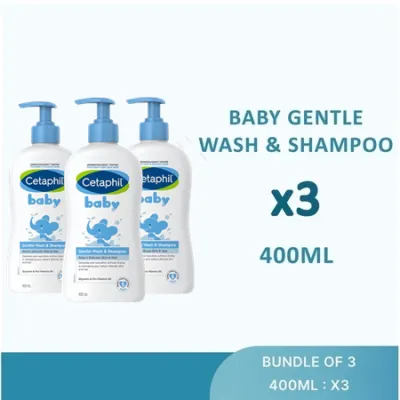
![Cetaphil Baby Gentle Wash and Shampoo with Shea Butter 400ml [Baebear.sg]](https://img.lazcdn.com/g/p/e62ccd5981daecb5d0b701ca75d58cb7.png_400x400q80.png_.webp)
![[SG 24h delivery ] Cetaphil Baby Wash & Shampoo with Shea Butter 400ml |Organic Calendula wash &shampoo | CETAPHIL BABY Moisturising Bath & Wash| Daily Lotion](https://img.lazcdn.com/g/p/641f071b48eb2878cb1558bb6d1a7e3e.jpg_400x400q80.jpg_.webp)
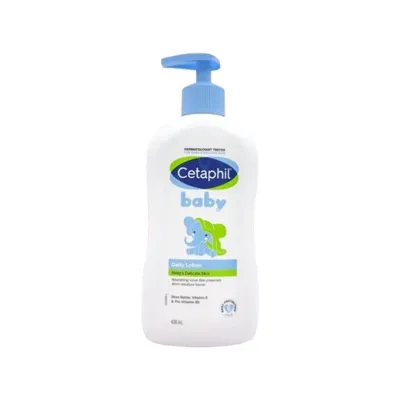
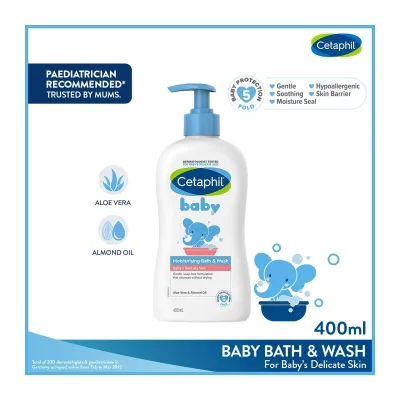
Prices are valid at publication and may change. Please refer to the product page for the latest price.
This notification process places the legal responsibility directly on the manufacturer, importer, or local distributor. The registering company must ensure that the product is manufactured in accordance with strict quality standards and does not contain any prohibited substances. Once the notification is successfully submitted, the product can be legally sold, and the HSA monitors its safety through post-market surveillance. If any safety issues arise or if a product is found to contain harmful ingredients, the HSA has the authority to issue public alerts, order product recalls, and suspend sales.
Singapore’s cosmetic regulations are closely aligned with the ASEAN Cosmetic Directive (ACD). The ACD sets out comprehensive annexes detailing which ingredients are banned, which are restricted to specific concentrations, and which preservatives or colorants are permitted for consumer use. This regional standardization ensures that any baby wash legally notified in Singapore adheres to strict safety boundaries designed to protect highly vulnerable populations, including infants and young children.
To ensure you are purchasing a compliant product, always check the packaging for details of the local Singapore distributor. Legitimate products will typically feature a label indicating the local importer’s name and address, such as Galderma Singapore for official Cetaphil products. Purchasing your baby wash from established physical pharmacies like Guardian, Watsons, or Unity, or official online flagship stores, minimizes the risk of buying counterfeit or non-compliant goods.
Conversely, parents should exercise extreme caution when dealing with unofficial imports or parallel imports sold on online marketplaces. These products are often sourced from different regions and may not have gone through the mandatory HSA notification process in Singapore. Furthermore, parallel imports may lack proper English labeling, might have been stored in substandard conditions that compromise their formulation, or may even be formulated differently for other global markets with varying ingredient regulations.
Evaluating Cetaphil Baby Wash for Newborn Safety
To evaluate whether a product like cetaphil baby wash is safe for your newborn, it is helpful to understand the unique physiology of infant skin. A newborn’s skin is roughly 30% thinner than adult skin and has a significantly thinner stratum corneum, which is the outermost layer responsible for keeping moisture in and irritants out. Furthermore, a baby’s skin barrier is highly permeable, meaning it absorbs topical substances much faster than adult skin, while its natural acidic protective layer—known as the acid mantle—takes several weeks to fully develop after birth.

In Singapore, the climate presents dual challenges for newborn skin care. The high outdoor humidity and heat can lead to excessive sweating, which easily clogs delicate pores and causes heat rash or miliaria. At the same time, many families spend significant time in air-conditioned indoor spaces, which can rapidly strip moisture from an infant’s skin, leading to dry, flaky patches. A suitable baby wash must be gentle enough to cleanse away sweat and environmental grime without stripping the skin’s natural lipids.
When examining Cetaphil Baby Wash packaging, you will notice several key dermatological claims, such as “tear-free,” “hypoallergenic,” “pediatrician-tested,” and “pH-balanced.” The term “tear-free” indicates that the formulation uses exceptionally mild surfactants that do not irritate the sensitive mucous membranes of the eyes. “Hypoallergenic” means the product has been formulated to minimize the likelihood of causing an allergic reaction, avoiding common allergens. “Pediatrician-tested” signifies that the product has undergone clinical evaluation under the supervision of medical professionals to verify its compatibility with infant skin.
Maintaining a proper pH balance is crucial for a newborn’s skin health. Healthy skin typically has a slightly acidic pH of around 5.5, which helps inhibit the growth of harmful bacteria and supports the skin barrier’s natural repair processes. Standard adult soaps are often highly alkaline, which can disrupt this delicate balance and cause severe dryness. A pH-balanced baby wash helps preserve this natural acidity, ensuring the infant’s skin remains resilient against external irritants.
While these product claims provide excellent guidance, parents must remember that they are general indicators of mildness rather than absolute guarantees of safety for every individual child. Cetaphil offers several baby wash variants, some of which feature botanical ingredients like organic calendula, aloe vera, chamomile, or sweet almond oil. While these ingredients are widely appreciated for their soothing and moisturizing properties, some infants may have specific, idiosyncratic sensitivities to certain natural extracts or botanical oils.
If your newborn has a known family history of atopic dermatitis (eczema), severe skin allergies, or an extremely compromised skin barrier, a cautious approach is highly recommended. In such cases, you should consult a pediatrician or a pediatric dermatologist before introducing any new commercial skincare products. A medical professional can help you identify potential triggers and recommend specialized, fragrance-free therapeutic cleansers tailored to your baby’s specific dermatological needs.
Checking the Ingredient List for Newborn Safety
Equipping yourself with the ability to read and interpret the ingredient list on a baby wash bottle is one of the most effective ways to protect your newborn’s skin. Under international labeling standards, ingredients must be listed in descending order of concentration. This means the first few ingredients listed make up the vast majority of the product’s formulation, while ingredients listed near the bottom are present in very small amounts.
When reviewing a gentle baby wash formulation, you should look for mild, non-ionic or amphoteric surfactants that cleanse without stripping. Ingredients such as Coco-Glucoside, Decyl Glucoside, and Cocamidopropyl Betaine are excellent examples of gentle cleansing agents derived from natural sources like coconut or corn. Additionally, look for high-quality hydrating agents and emollients, such as Glycerin, Panthenol (Pro-vitamin B5), and Tocopherol (Vitamin E), which actively support skin hydration and help reinforce the developing skin barrier.
Conversely, there are several ingredients that parents typically prefer to avoid or minimize in newborn skin care. Harsh anionic surfactants, such as Sodium Lauryl Sulfate (SLS) and Sodium Laureth Sulfate (SLES), are known to strip natural lipids and can cause significant dryness and irritation on delicate skin. Parabens, which are chemical preservatives used to prevent bacterial growth, are also frequently avoided due to concerns surrounding skin sensitization and potential endocrine disruption, leading many modern baby brands to utilize safer alternative preservative systems.
Artificial fragrances and synthetic colorants are among the most common culprits behind allergic contact dermatitis in infants. While a pleasantly scented wash can make bath time feel luxurious for parents, a newborn’s olfactory system and skin are highly sensitive, making fragrance-free or extremely mildly scented options much safer. Furthermore, certain essential oils, such as lavender, eucalyptus, or tea tree oil, though natural, contain concentrated volatile compounds that can easily sensitize a newborn’s skin and should generally be avoided in the first few months of life.
It is a common misconception among consumers that labels reading “natural” or “organic” automatically guarantee a product is safe and non-irritating. In reality, many natural botanical extracts can trigger contact allergies or skin irritation just as easily as synthetic compounds. When evaluating a product, prioritize simple, clinically tested formulations over vague marketing terms, and focus on the specific chemical properties of the ingredients listed on the back of the bottle.
Finally, keep in mind that manufacturers occasionally update their product formulations to comply with evolving global safety standards or to incorporate newer, gentler ingredients. A formulation you used successfully for an older sibling a few years ago might have changed slightly. Always read the physical ingredient label on the specific bottle you purchase in Singapore rather than relying entirely on historical online reviews or outdated product listings.
Safe Bathing Practices and When to Stop Use
Establishing a safe and gentle bathing routine is just as important as choosing the right product. For a newborn, bath time should be a calm, soothing experience that does not compromise their delicate skin barrier. Ensure the bathing area is free from drafts, and prepare lukewarm water that sits comfortably around 37°C. You can verify the water temperature using a bath thermometer or by testing it with the inside of your wrist or elbow, which is far more sensitive than your hand.
When performing the bath, apply only a small, pea-sized amount of baby wash to your clean hands or a very soft, damp washcloth. Avoid using rough loofahs, sponges, or abrasive cloths that can micro-tear the infant’s thin stratum corneum. Gently massage the wash over your baby’s skin, paying close attention to areas where sweat, milk drool, and moisture tend to accumulate, such as the neck folds, behind the ears, the underarms, and the diaper area. Always rinse the skin thoroughly with clean, lukewarm water to ensure no soapy residue is left behind, as dried soap residue can cause localized irritation.
Before introducing any new skincare product to your newborn’s entire body, it is highly recommended to perform a simple, controlled patch test. This precautionary step helps you identify potential adverse reactions on a small, manageable scale. The following steps outline how to safely conduct a patch test at home:
- Dilute and Apply: Mix a tiny drop of the baby wash with warm water and apply it to a small, clean area of your baby's skin, such as the inner forearm or behind the ear.
- Rinse Gently: Leave the product on the skin for approximately one to two minutes, then rinse it off thoroughly with clean water, mimicking a normal bath scenario.
- Observe: Keep the test area clean and dry, and monitor it closely over the next 24 hours for any signs of reaction.
- Evaluate: If you notice any redness, swelling, tiny bumps, or dry patches, do not use the product for full-body bathing.
Knowing when to stop using a product is vital for preventing minor skin irritations from escalating into severe dermatological issues. You must immediately discontinue the use of any baby wash and consult a healthcare professional if your baby exhibits persistent redness, a widespread rash, excessive dryness, peeling, scaling, or clear signs of physical discomfort during or after their bath. These symptoms can indicate an allergic reaction or a contact allergy to one of the ingredients.
Additionally, special care must be taken if your baby is dealing with active skin conditions. If your newborn has an active skin infection, open wounds, oozing eczema, or severe diaper rash, avoid applying any commercial cleansers or baby washes to the affected areas. In these situations, clean the areas gently using only plain, lukewarm water or a sterile saline solution, and seek specific care and treatment instructions from your pediatrician to prevent further irritation or secondary bacterial infections.
Frequently Asked Questions (FAQ)
Can I use Cetaphil Baby Wash on my newborn's face?
While gentle, tear-free baby washes are formulated to be exceptionally mild, plain lukewarm water is generally sufficient for cleaning a newborn’s face during the first few weeks of life. If you do choose to use a baby wash to clean away milk residue or dried saliva, ensure you use a highly diluted, tiny amount. Gently wipe the face using a soft, damp cotton pad or washcloth, taking extra care to avoid the immediate eye area, nostrils, and mouth, and rinse the skin thoroughly with clean water afterward.
How do I verify if a baby product is legally sold in Singapore?
To verify if a baby product is legally imported and sold in Singapore, look for the local importer or distributor’s details printed clearly on the back of the packaging. You should purchase baby products exclusively from reputable, authorized physical retailers such as major pharmacies (Guardian, Watsons, Unity) or official brand flagship stores on recognized e-commerce platforms. Avoid purchasing from unverified third-party online sellers who offer prices that seem unusually low, as these items may be parallel imports or counterfeit goods that bypass local safety notifications.
Is it necessary to use baby wash every day for a newborn?
It is not necessary to use baby wash on your newborn every single day. Because newborns do not get heavily soiled, bathing them with a cleanser two to three times a week is generally sufficient to maintain hygiene while preserving the skin’s natural protective oils. On non-bath days, a simple sponge bath using lukewarm water to clean the diaper area, face, neck, and skin folds is highly effective and helps prevent the skin from becoming overly dry, especially in air-conditioned environments.
Community discussion
Share your experience or ask a question. Comments are reviewed before publication.