
Parents often look for gentle skincare options, and Cetaphil Baby lotion is a common choice. Whether it is safe for daily use on newborns and babies with eczema-prone skin depends on the specific product formulation, the baby’s age, and individual skin triggers. While many pediatric skincare products are formulated to be mild, you must verify the manufacturer’s label instructions, check for specific age recommendations, and perform a patch test before establishing a daily routine.
Newborn skin is highly delicate and still developing its natural protective barrier. Eczema-prone skin requires even greater care, as certain ingredients can trigger flare-ups or worsen dryness. By understanding how to evaluate product labels, identify potential irritants, and monitor your baby’s skin reactions, you can make an informed decision that supports their skin health.
Understanding the Safety Profile for Newborns
Newborn skin is structurally different from adult skin and even older infant skin. It is thinner, loses moisture more rapidly, and is highly permeable, making it more susceptible to absorbing topical ingredients. Because of this vulnerability, any product applied to a newborn must be carefully evaluated against the manufacturer’s official guidelines rather than assumed safe based on the brand name alone.
Products mentioned in this guide
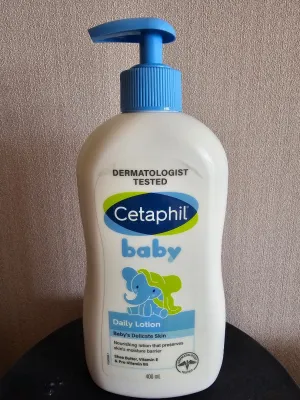
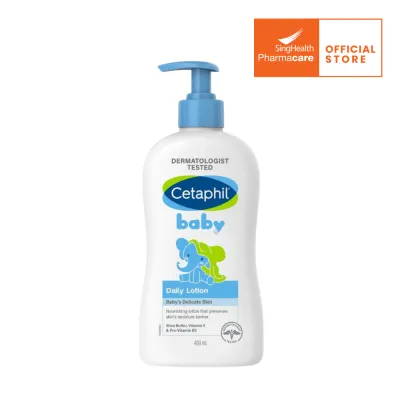
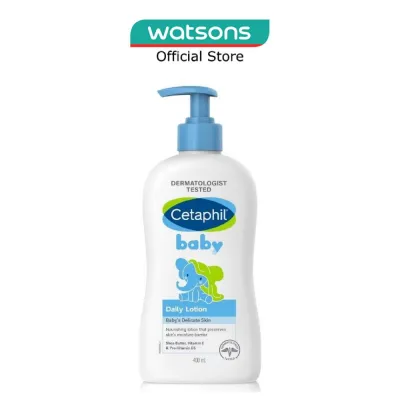
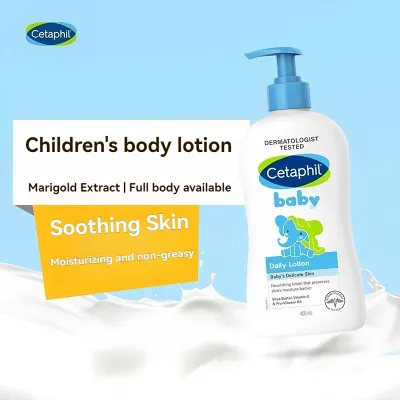
![CETAPHIL BABY Daily Lotion with Organic Calendula and Sunflower Seed Oil 400ml [Gentle & Hypoallergenic]](https://img.lazcdn.com/g/p/1ace0d1e5ef663d4c80f24f84dd18336.png_400x400q80.png_.webp)
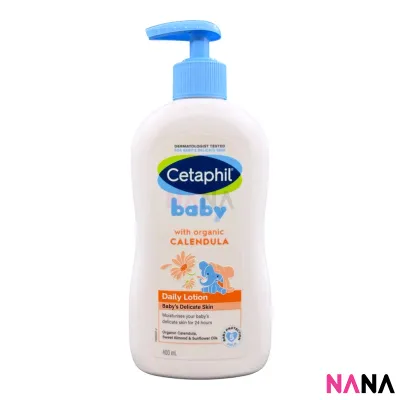
![[Bundle of 2] Cetaphil Baby Daily Lotion 400mL l Suitable for Face & Body [Baebear.sg]](https://img.lazcdn.com/g/p/1aac453aeb3d6c544f1a88394c142e42.png_400x400q80.png_.webp)
Prices are valid at publication and may change. Please refer to the product page for the latest price.
To determine if a specific bottle of Cetaphil Baby lotion is suitable for a newborn, you must check the packaging for explicit age recommendations. Look for phrases such as “suitable from birth” or “formulated for newborns.” If the label does not specify suitability for newborns or infants under a certain age, it is best to hold off on use until you can consult a pediatrician.
Manufacturers often produce multiple variants of baby lotions, each with distinct formulations. One variant might be designed for general infant use, while another might be tailored for extremely dry or sensitive skin. Never assume that all products under the same brand umbrella share identical safety profiles; always verify the exact bottle in your hand.
In Singapore’s warm and humid climate, newborn skin can also be prone to heat rash or clogged pores if heavy, occlusive creams are applied unnecessarily. A lightweight lotion might seem ideal, but the presence of added fragrances or specific botanical extracts requires careful scrutiny. Checking the product documentation for hypoallergenic claims is a helpful step, but these claims should always be paired with a physical inspection of the ingredient list.
Evaluating Suitability for Eczema-Prone Skin
Eczema-prone skin is characterized by a compromised skin barrier that easily lets moisture escape and allows environmental irritants to enter. When managing this condition, the primary goal of a daily moisturizer is to support the barrier function without introducing substances that trigger inflammation. Parents must look closely at how a lotion is formulated to determine if it meets these specific needs.

Common irritants that parents typically avoid in eczema care include synthetic fragrances, artificial colorants, parabens, and certain alcohols. Even natural botanical ingredients, which are often marketed as soothing, can sometimes trigger allergic contact dermatitis in sensitive individuals. When evaluating Cetaphil Baby lotion, check the packaging to see if it is labeled as fragrance-free, as added perfumes are a frequent culprit in eczema flare-ups.
Look for specific dermatological testing claims or endorsements on the packaging. Some formulations carry seals of approval from recognized eczema associations or state that they are clinically tested for sensitive skin. While these endorsements provide a helpful starting point, they do not guarantee that a product will not cause a reaction in your individual child.
It is also important to distinguish between daily maintenance moisturizers and prescribed medical treatments. Over-the-counter baby lotions are designed to maintain hydration and support the skin barrier during normal periods. They are not formulated to treat active, moderate-to-severe eczema flare-ups, which typically require medicated ointments prescribed by a qualified healthcare professional. Using a daily lotion on broken, weeping, or severely inflamed skin can cause intense stinging and worsen the condition.
How to Read the Ingredient List and Product Labels
Equipping yourself with the ability to read and interpret skincare labels is one of the most effective ways to protect your baby’s skin. The ingredient list, usually found on the back of the bottle, lists components in descending order of concentration. This allows you to identify the primary moisturizing agents as well as any potential allergens that might be present in smaller amounts.
When reviewing the ingredients, look for beneficial components known to support dry skin, such as glycerin, panthenol, or specific plant oils like sunflower seed oil or shea butter, provided your baby has no known allergies to them. Conversely, cross-reference the list with any sensitivities that run in your family. If a sibling or parent has a known contact allergy, it is wise to avoid those specific ingredients in the baby’s skincare products.
Be cautious of general marketing terms on the front of the packaging, such as “natural,” “gentle,” or “organic.” These terms are often used loosely and do not have standardized clinical definitions. Instead, focus on verified clinical standards and specific claims like “dermatologist tested,” “hypoallergenic,” or “formulated without parabens.”
Always check the product’s expiration date and batch code, which are typically stamped on the bottom of the bottle or along the crimp of the tube. Using expired skincare products can lead to formula separation, reduced efficacy, or even bacterial contamination, which poses a risk to delicate infant skin. Additionally, ensure the product is stored according to the manufacturer’s instructions, usually in a cool, dry place away from direct sunlight, to preserve its chemical stability.
Safe Application and Patch Testing Steps
Before incorporating any new lotion into your baby’s daily routine, performing a patch test is a highly recommended, low-risk step to identify potential sensitivities. This simple precaution can prevent a widespread adverse reaction across your baby’s entire body.
To conduct a patch test, select a small, discreet area of your baby’s skin, such as the inner forearm or the side of the neck. Apply a tiny, pea-sized amount of the lotion to this area and gently rub it in. Ensure the baby does not rub or lick the area, and keep it dry during the initial testing phase.
Monitor the tested area closely over a 24 to 48-hour period. You are looking for any signs of a delayed localized reaction, which may include redness, tiny bumps, swelling, itching, or dryness. If any of these signs appear, wash the area immediately with lukewarm water and do not use the product again.
If no reaction occurs after 48 hours, you can proceed with a gentle application process. The best time to apply moisturizer is immediately after a lukewarm bath, while the skin is still slightly damp. Gently pat your baby’s skin dry with a soft towel rather than rubbing, and apply a thin, even layer of lotion to lock in the moisture. This method helps maximize hydration while minimizing friction on delicate skin.
When to Stop Use and Seek Professional Help
Even products formulated specifically for babies can occasionally cause adverse reactions. As a caregiver, it is vital to recognize the signs that indicate a product is not suitable for your baby’s skin and know when to seek professional medical advice.
Stop using the lotion immediately if you observe persistent redness, swelling, peeling, hives, or if your baby shows signs of discomfort, such as increased fussiness or scratching at the application site. These symptoms can indicate contact dermatitis or an allergic reaction. Wash the product off gently with plain water and avoid applying any other over-the-counter creams until the skin settles.
If your baby experiences a severe eczema flare-up, characterized by intense itching, cracked skin, bleeding, or signs of infection like yellow crusting or pus, do not attempt to treat it with daily baby lotions. These situations require immediate evaluation by a pediatrician or a pediatric dermatologist, who can prescribe appropriate topical treatments to reduce inflammation and prevent secondary infections.
Transitioning from daily over-the-counter moisturizers to professional medical care is necessary when dry skin or mild eczema does not improve after a week of consistent, gentle care, or if the skin condition significantly impacts your baby’s sleep and comfort. A qualified professional can help identify specific triggers and create a tailored skincare plan that ensures your baby’s safety and comfort.
Frequently Asked Questions (FAQ)
Can I use Cetaphil Baby lotion on my baby's face?
You should always check the specific product label to verify if the variant you purchased is approved for facial application. The skin on a baby’s face is thinner and more sensitive than the skin on their body, and it is also more prone to conditions like baby acne or milia (tiny white bumps caused by trapped skin flakes). If the label permits facial use, apply a very small amount, taking extreme care to avoid the immediate eye area, nostrils, and mouth. If you notice any clogged pores or localized redness, discontinue facial application and consult your pediatrician.
How often should I apply the lotion to eczema-prone skin?
For babies with eczema-prone skin, the frequency of application should align with the manufacturer’s instructions and the advice of your healthcare provider. Generally, applying a moisturizer immediately after a lukewarm bath is highly effective for locking in hydration. You may need to apply it multiple times throughout the day, especially during dry weather or when you observe visible patches of dry skin. However, always monitor how your baby’s skin responds to frequent applications, and adjust the routine if you notice any signs of irritation or if the skin condition changes.
Community discussion
Share your experience or ask a question. Comments are reviewed before publication.