
When shopping for baby skincare, many Singapore parents look for regulatory reassurance, often wondering if popular options like cetaphil baby are HSA-certified. Navigating the world of infant skincare can feel overwhelming, especially when trying to decipher terms like “dermatologist-tested,” “hypoallergenic,” and “certified safe.” In Singapore, the regulatory landscape for cosmetics and skincare differs significantly from that of medicines, and understanding how these products are monitored is crucial for your peace of mind.
To address the core question directly: the Health Sciences Authority (HSA) of Singapore does not “certify” or “approve” cosmetic products, including baby washes, shampoos, and lotions, before they hit the market. Instead, the HSA regulates these products through a mandatory notification system. This means that while you will not find an official “HSA certification” seal on a bottle of cetaphil baby, legally sold formulations must comply with strict safety standards and be registered under the Cosmetic Product Notification (CPN) system before they can be distributed locally.
Understanding HSA Regulations for Baby Skincare
To understand why there is no such thing as an “HSA-certified” baby wash, it is helpful to look at how the Health Sciences Authority classifies different products. Unlike prescription medicines, vaccines, or medical devices—which undergo rigorous pre-market evaluation and official approval processes—cosmetics and skincare products are regulated through a post-market surveillance system. This approach aligns Singapore with international regulatory standards, ensuring consumer safety without unnecessarily delaying the availability of everyday personal care items.
Products mentioned in this guide
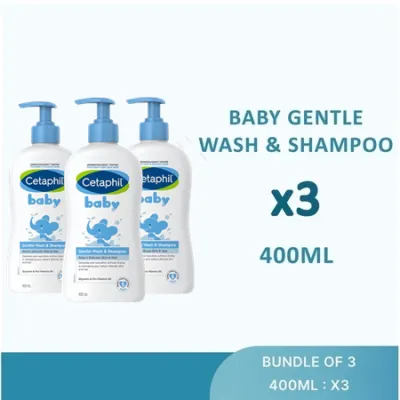
![Cetaphil Baby Wash & Shampoo with Organic Calendula and Sunflower Seed Oil 400ML [Gentle & Hypoallergenic] Bath Gel](https://img.lazcdn.com/g/p/e6e531bcf89c8264e607e7de5f8bb93e.jpg_400x400q80.jpg_.webp)
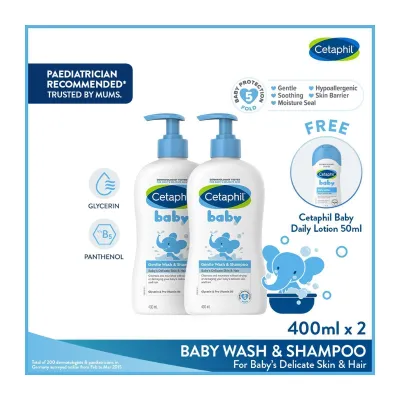
![[Bundle of 2] CETAPHIL BABY Wash & Shampoo with Organic Calendula and Sunflower Seed Oil 400ml [Gentle & Hypoallergenic]](https://img.lazcdn.com/g/p/3763f6e79c558eb8512229463c0269c9.png_400x400q80.png_.webp)
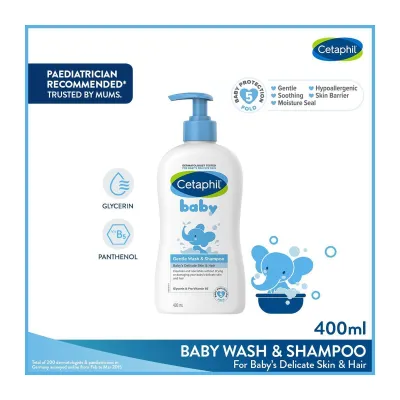
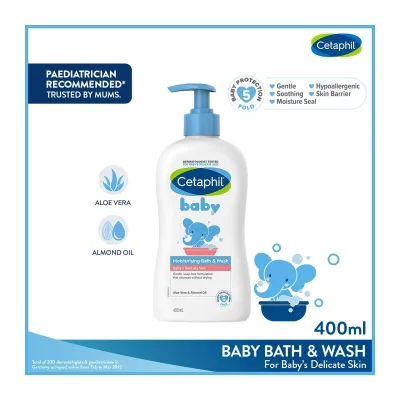
Prices are valid at publication and may change. Please refer to the product page for the latest price.
The cornerstone of this regulatory framework is the Cosmetic Product Notification (CPN) system. Before any cosmetic product, including baby cleansers and moisturizers, can be legally sold in Singapore, the local company responsible for importing or distributing the product must submit a notification to the HSA. This notification must be completed before the product is placed on the market. By submitting this notification, the company declares that the product complies with all local safety requirements and that they assume full responsibility for its safety, quality, and labeling.
This system is governed by the ASEAN Cosmetic Directive (ACD), a regional agreement designed to harmonize cosmetic safety standards across Southeast Asian nations. The ACD outlines strict guidelines that manufacturers and distributors must follow. These guidelines include a comprehensive list of prohibited ingredients that must never be used in cosmetics, as well as restricted ingredients that are only allowed under specific conditions or in limited concentrations. Additionally, the directive mandates accurate and truthful labeling, requiring companies to list all ingredients clearly on the packaging and adhere to Good Manufacturing Practice (GMP) standards during production.
Therefore, when you purchase a baby wash in Singapore, you should not look for an “HSA approval” stamp, as the authority does not issue them. Instead, safety is maintained through the legal obligation of the distributor to register the product, coupled with the HSA’s active post-market surveillance. The HSA routinely monitors the market, conducts random product testing, and investigates adverse reaction reports. If a product is found to contain banned substances or cause adverse health effects, the HSA has the authority to order immediate product recalls, issue public alerts, and penalize the non-compliant companies.
Is Cetaphil Baby Compliant with Singapore Safety Standards?
As a globally recognized brand, cetaphil baby is widely available across Singapore in major pharmacies, supermarkets, and official online storefronts. For these products to be legally sold in physical and digital retail spaces, the authorized local distributor must file the mandatory Cosmetic Product Notification with the HSA. This filing ensures that the specific formulations imported for the Singapore market comply with the ASEAN Cosmetic Directive, meeting the necessary safety and quality benchmarks.

When browsing cetaphil baby products, parents frequently encounter safety-related marketing claims on the packaging. Understanding what these terms actually mean helps in making informed decisions:
- Hypoallergenic: This term indicates that the product has been formulated with ingredients that are less likely to cause allergic reactions. It is important to note that "hypoallergenic" does not mean "zero risk of allergy," as individual babies can still have unique sensitivities to specific ingredients.
- Tear-Free: Usually applied to baby washes and shampoos, this claim means the product is formulated to be exceptionally mild on the eyes. This is achieved by using gentle surfactants that do not irritate the delicate ocular membranes, often matching the natural pH of human tears, which is slightly alkaline (around 7.0 to 7.4).
- Pediatrician-Tested: This suggests that the formulation has undergone clinical testing or evaluation under the supervision of pediatricians to verify its compatibility with infant skin.
If you want to verify the compliance of a specific product yourself, you can access the HSA’s public online database of notified cosmetic products. By searching for the product name, such as “Cetaphil Baby Gentle Wash & Shampoo,” you can check if a valid notification has been filed. Some distributors may also print the notification details or local distributor contact information on the packaging, which serves as an additional layer of verification.
However, parents should remain aware that safety profiles can vary between different product lines and individual variants. For example, a baby wash designed to be rinsed off has a different formulation and contact time on the skin compared to a leave-on daily lotion or a heavy moisturizing cream. Always check the specific variant you intend to buy, read its ingredient list, and verify its suitability for your baby’s current skin condition, especially if your child has pre-existing issues like eczema or dry skin.
Key Safety Ingredients to Check in Baby Bath Products
An infant’s skin barrier is significantly different from that of an adult. It is thinner, more delicate, and more susceptible to environmental factors like the dry, air-conditioned environments common in Singapore homes, or the high humidity outdoors. Because a baby’s skin loses moisture quickly and absorbs topical substances more easily, bath products must be formulated with extreme mildness in mind. Understanding which ingredients to look for—and which to avoid—is key to protecting this fragile barrier.
When examining ingredient labels on baby bath products, there are several substances you should aim to avoid or limit:
- Harsh Sulfates: Ingredients like Sodium Lauryl Sulfate (SLS) and Sodium Laureth Sulfate (SLES) are strong foaming agents commonly found in adult soaps. They can strip away the natural lipids and moisture from a baby's skin, leading to severe dryness, irritation, and a compromised skin barrier.
- Sensitizing Preservatives: Certain preservatives, such as Methylisothiazolinone (MIT) and Methylchloroisothiazolinone (MCI), have been identified as strong contact allergens. While they are strictly restricted or banned in leave-on cosmetics under the ASEAN Cosmetic Directive, it is best to avoid them entirely in baby products to prevent sensitization.
- Synthetic Fragrances and Essential Oils: While a scented baby wash may smell pleasant, added fragrances are a leading cause of cosmetic allergies. Even natural essential oils, such as lavender, tea tree, or citrus oils, can be highly sensitizing to a newborn's skin and should be avoided in the early months of life.
Conversely, look for gentle, skin-supporting ingredients that help preserve and reinforce the skin barrier:
- Mild Surfactants: Look for plant-derived cleansing agents like coco-glucoside, decyl glucoside, or sodium cocoyl glutamate. These cleanse effectively without stripping the skin's natural moisture.
- Humectants: Ingredients like glycerin, panthenol (Pro-Vitamin B5), and hyaluronic acid draw water into the skin, keeping it hydrated even after rinsing.
- Soothing Botanicals: Natural extracts such as Calendula officinalis (marigold) flower extract, chamomile, or aloe vera can help soothe minor skin irritations and reduce redness.
The pH level of the product is another critical factor. Healthy skin maintains a slightly acidic pH (around 5.5), known as the acid mantle, which acts as a barrier against harmful bacteria and environmental irritants. Using highly alkaline traditional bar soaps can disrupt this pH balance, leading to dryness and infection. Opt for syndet (synthetic detergent) bars or liquid washes that are explicitly labeled as pH-balanced to support the natural acidity of your baby’s skin.
Finally, be cautious of marketing terms like “100% natural” or “organic.” These labels are not standardized safety guarantees. A completely natural plant extract can still cause an allergic reaction or skin irritation. Always prioritize mildness, simplicity of ingredients, and clinical testing over generic “natural” marketing claims.
How to Verify and Choose Safe Baby Washes in Singapore
Choosing the right skincare products for your little one involves practical steps to ensure authenticity, proper usage, and safety. By adopting a systematic approach to purchasing and testing, you can minimize the risk of adverse skin reactions.
Purchasing Safely
Always buy baby washes and lotions from authorized pharmacies, official brand stores, or reputable local supermarkets in Singapore. Be highly cautious when purchasing skincare products from unverified third-party sellers on online marketplaces. Parallel-imported products may not have undergone the mandatory HSA notification process. Furthermore, improper storage and shipping—such as exposing products to high heat and humidity during transit—can degrade the preservatives, leading to bacterial contamination or chemical breakdown of the formula.
Label Checking
Before purchasing, inspect the physical packaging. A compliant and safely imported product should feature clear labeling, including the full ingredient list in English, the batch number, the expiry date, and the contact details of the local distributor or manufacturer. Having the local distributor’s details is essential, as they are the legally responsible entity in Singapore should you need to report an adverse reaction or seek product clarifications.
Patch Testing
Even when using a highly recommended, gentle product like cetaphil baby, it is wise to perform a patch test before introducing it into your baby’s daily routine. Apply a small, diluted amount of the wash to a tiny patch of skin on your baby’s inner arm or thigh during bath time. Rinse it off thoroughly, pat dry, and wait 24 hours. Monitor the area closely for any signs of redness, swelling, dryness, or tiny bumps. If the skin remains clear, the product is generally safe for full-body use.
Monitoring and Action
Keep a close eye on your baby’s skin during and after baths. If you notice signs of contact dermatitis—such as persistent redness, sudden dry patches, scaling, or if your baby shows signs of discomfort like scratching or crying during application—discontinue use immediately. Rinse the skin thoroughly with lukewarm water and pat dry. Avoid applying any over-the-counter medicated creams or steroid ointments without consulting a healthcare professional. If the skin irritation does not improve, spreads, or if your baby shows signs of a systemic reaction, consult a pediatrician or dermatologist for a professional evaluation.
Frequently Asked Questions (FAQ)
Can I use adult Cetaphil cleansers on my baby?
Adult cleansers, including the classic Cetaphil Gentle Skin Cleanser, are formulated specifically for mature skin. An adult’s skin barrier is fully developed, thicker, and produces more natural oils (sebum) than an infant’s skin. Consequently, adult formulations may contain different surfactants, active ingredients, or preservatives that are perfectly safe for mature skin but too harsh for a baby’s thin, highly permeable skin barrier. Using adult products on an infant can lead to severe dryness, irritation, or allergic contact dermatitis. It is highly recommended to stick to products specifically formulated, tested, and labeled for babies to ensure the mildness required for their developmental stage.
What should I do if my baby has an allergic reaction to a wash?
If your baby exhibits signs of an allergic reaction or skin irritation after a bath, take immediate, gentle action. First, stop using the product immediately. Gently rinse the affected area with lukewarm water to remove any lingering residue of the wash, then gently pat the skin dry with a clean, soft cotton towel without rubbing. Do not apply any over-the-counter medicated creams, anti-itch lotions, or home remedies unless advised by a doctor, as these can further irritate sensitive skin. Monitor your baby closely. Seek professional medical attention from a pediatrician or dermatologist if the rash spreads, shows signs of infection (such as oozing or warmth), or if your baby develops systemic symptoms like facial swelling, hives, or breathing difficulties.
Community discussion
Share your experience or ask a question. Comments are reviewed before publication.