
When preparing for a new baby, ensuring every product touching their delicate skin is safe and compliant with local regulations is a top priority for parents in Singapore. Many parents search for “HSA-approved” baby products, assuming the Health Sciences Authority (HSA) pre-tests and certifies every baby wash or lotion on the market before it hits store shelves.
The short answer is that Cetaphil Baby products sold through official channels in Singapore are fully compliant with local regulatory requirements, but they are not “HSA-approved” in the literal sense. This is because the HSA does not issue pre-market approvals for cosmetic products, including baby skincare. Instead, these products must go through a mandatory Cosmetic Product Notification process before they can be legally sold. When purchased from authorized retailers, Cetaphil Baby products are legally notified and formulated to minimize irritation, though parents must still practice proper skin care and patch testing.
Understanding how these regulatory frameworks operate, what makes a formulation suitable for a newborn’s highly sensitive skin barrier, and how to verify the authenticity of your purchase is essential for protecting your child. This guide outlines the regulatory realities in Singapore, the formulation characteristics of Cetaphil Baby, and the practical steps you should take when introducing any new skincare product to your newborn.
Products mentioned in this guide
![Cetaphil Baby Wash & Shampoo with Organic Calendula and Sunflower Seed Oil 400ML [Gentle & Hypoallergenic] Bath Gel](https://img.lazcdn.com/g/p/e6e531bcf89c8264e607e7de5f8bb93e.jpg_400x400q80.jpg_.webp)
![[SG Ready to ship ] Cetaphil Baby Wash & Shampoo with Shea Butter 400ml |Organic Calendula wash &shampoo | CETAPHIL BABY Moisturising Bath & Wash| Daily Lotion](https://img.lazcdn.com/g/p/52c17e6da31e9e8361808ec895ad9d00.jpg_400x400q80.jpg_.webp)
![[SG 24h delivery ] Cetaphil Baby Wash & Shampoo with Shea Butter 400ml |Organic Calendula wash &shampoo | CETAPHIL BABY Moisturising Bath & Wash| Daily Lotion](https://img.lazcdn.com/g/p/641f071b48eb2878cb1558bb6d1a7e3e.jpg_400x400q80.jpg_.webp)
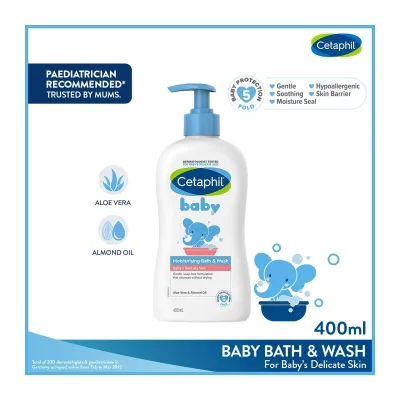
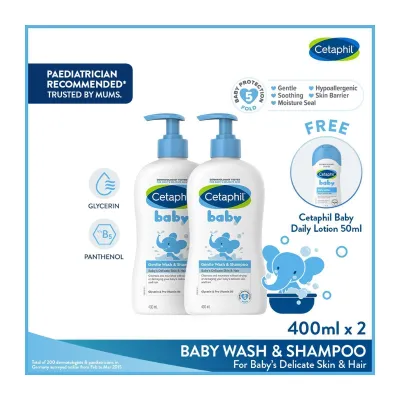
![[Bundle of 2] CETAPHIL BABY Wash & Shampoo with Organic Calendula and Sunflower Seed Oil 400ml [Gentle & Hypoallergenic]](https://img.lazcdn.com/g/p/3763f6e79c558eb8512229463c0269c9.png_400x400q80.png_.webp)
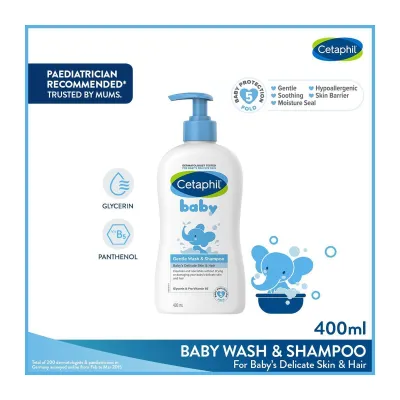
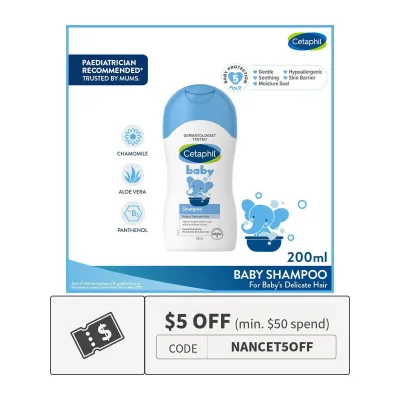
Prices are valid at publication and may change. Please refer to the product page for the latest price.
Understanding HSA Regulations for Baby Skincare in Singapore
To navigate the baby care market safely, it is important to clarify the distinction between pre-market approval and post-market regulation. The Health Sciences Authority (HSA) is the national regulatory body responsible for overseeing health and consumer products in Singapore. While the HSA conducts rigorous pre-market evaluations for therapeutic medicines and medical devices, cosmetic products—which include baby washes, shampoos, lotions, and creams—are governed under a different regulatory framework.
Under the ASEAN Cosmetic Directive, which Singapore implements, cosmetic products do not undergo a pre-market testing or approval process by the HSA. Manufacturers, importers, or local distributors are not issued an official “HSA Approved” stamp, certificate, or logo to display on their packaging. Any product claiming to be “HSA-approved” on its label is using inaccurate terminology that does not align with Singapore’s regulatory standards.
Instead, the HSA operates a Cosmetic Product Notification system. Before any cosmetic product can be placed on the Singapore market, the local company responsible for importing or distributing it must submit a notification to the HSA. This notification is a legal declaration that the product complies with all safety requirements, contains only permitted ingredients within safe limits, and is manufactured in accordance with Good Manufacturing Practice (GMP) standards.
Once the notification is successfully submitted, the product is assigned a notification number, allowing it to be legally sold. The HSA then relies on a robust post-market surveillance system to maintain consumer safety. This involves monitoring adverse reaction reports, conducting random product sampling, and testing products already on store shelves to ensure they do not contain undeclared harmful substances, heavy metals, or banned chemical compounds.
For parents, this means that while Cetaphil Baby products do not carry an HSA approval stamp, legally imported batches are fully notified to the HSA. This notification signifies that the local distributor has taken legal responsibility for the product’s safety and compliance, providing peace of mind that the product meets the stringent safety standards enforced across Singapore.
Is Cetaphil Baby Safe for Newborn Skin?
A newborn’s skin is structurally and functionally different from adult skin, requiring specialized care during the first few months of life. The stratum corneum, which is the outermost layer of the skin, is significantly thinner in infants than in adults. This structural difference makes a newborn’s skin highly permeable, meaning it absorbs topical substances more rapidly and loses moisture at a faster rate, leaving it highly susceptible to dryness, environmental irritants, and chemical sensitivities.

Given this vulnerability, baby skincare formulations must prioritize physiological compatibility. Cetaphil Baby products are formulated with these specific developmental needs in mind, typically focusing on maintaining the skin’s natural acid mantle. Healthy infant skin has a slightly acidic pH, usually ranging between 4.5 and 5.5, which helps protect against harmful bacterial colonization and maintains barrier integrity. Standard soaps and adult body washes are often highly alkaline, which can disrupt this delicate balance, whereas baby-specific cleansers are formulated to be pH-balanced.
Another critical factor in baby skincare is the choice of surfactants, which are the cleansing agents responsible for removing dirt and oils. Many adult cleansers rely on harsh surfactants like Sodium Lauryl Sulfate (SLS) or Sodium Laureth Sulfate (SLES), which can strip away essential lipids and cause severe dryness. Baby formulations generally utilize mild, non-ionic or amphoteric surfactants that cleanse the skin gently without disrupting the lipid barrier. Additionally, many baby products feature “tear-free” formulations, which are specifically designed to minimize ocular irritation should the product accidentally come into contact with the baby’s eyes.
While Cetaphil Baby products are hypoallergenic and formulated without parabens, mineral oils, or strong synthetic dyes, parents must remember that no product can be guaranteed 100% safe for every individual infant. Even carefully formulated, gentle products can occasionally trigger a reaction if a baby has an undiagnosed skin condition, such as atopic eczema, or a specific sensitivity to a botanical ingredient, such as calendula or chamomile extracts, which are sometimes included for their soothing properties.
It is also worth noting that medical guidelines often recommend a minimalist approach during the first few weeks of a newborn’s life. For many healthy newborns, bathing with plain, lukewarm water is entirely sufficient for the first month, as they do not produce significant amounts of sweat or sebum. When you do decide to introduce a cleanser, starting with a very small amount of a notified product like Cetaphil Baby is the safest way to transition.
How to Verify Regulatory Compliance on Product Labels
Because Singapore is a global trade hub, parallel imports—products purchased from overseas markets and brought into Singapore by third-party distributors—are common. While parallel imports are not inherently illegal, they may bypass the official local distributor’s quality control channels and might not have been notified to the HSA by the party selling them to you. To ensure you are using an authentic, legally compliant product, you must know how to inspect the packaging.
First, check the physical label for comprehensive product information. By law, any cosmetic product sold in Singapore must feature a complete ingredient list written in English, using the International Nomenclature of Cosmetic Ingredients (INCI) naming system. The packaging must also clearly display the name and address of the local importer or distributor, the country of manufacture, a clear batch or lot number, and an expiry date or a period-after-opening symbol.
Second, you can verify the regulatory status of the product directly through official channels. The HSA maintains a public registry of notified cosmetic products. If you wish to confirm whether a specific Cetaphil Baby product has been legally notified, you can access the HSA’s online portal and search the database using the product name or the local distributor’s details. If a product does not appear in the database or lacks clear local distributor information on the label, it may be an unauthorized import.
To minimize the risk of purchasing counterfeit or unnotified skincare, it is highly recommended to purchase Cetaphil Baby products exclusively from authorized retailers. These include major physical pharmacy chains, established local supermarkets, and the official brand stores on verified online marketplaces. Avoid purchasing from unverified third-party sellers on ecommerce platforms, especially those offering prices that seem unusually low, as these listings are more likely to feature counterfeit goods or expired stock that has not been stored in temperature-controlled environments.
Safe Bathing Practices and Patch Testing for Newborns
Introducing any new skincare product to a newborn should be done systematically and cautiously. Before using a new wash or lotion over your baby’s entire body, you should perform a localized patch test. This simple, low-risk procedure helps identify potential contact allergies or sensitivities before a widespread reaction can occur.
To conduct a patch test, apply a tiny, pea-sized amount of the diluted Cetaphil Baby wash to a small, clean area of your baby’s skin, such as the inner forearm or behind the ear. Leave the product on the skin for the normal duration of a bath, then rinse it off thoroughly with lukewarm water. Observe the test area over the next 24 to 48 hours; if you notice any redness, swelling, tiny bumps, or dry patches, do not use the product again, and consult your paediatrician.
When you are ready to bathe your baby, always prioritize gentle handling and minimal product usage. You do not need to apply a large amount of cleanser to achieve clean skin. Dilute a small pump of the wash in the bathwater or lather it gently in your hands before applying it to your baby’s skin. Avoid using rough washcloths or scrubbing brushes; instead, use your bare hands or a soft, clean cotton cloth to wash your baby using light, sweeping motions.
Even if a product is labeled as “tear-free,” you should take extra care to avoid the immediate eye area. The tear-free designation means the formula is optimized to minimize stinging, but it can still cause physical irritation or mild discomfort if direct contact occurs. Use a separate, damp cotton ball dipped in plain water to gently clean your baby’s eyes and face, moving from the inner corner outward.
Finally, manage the duration and temperature of the bath to protect the skin barrier. Newborn baths should be brief, lasting no more than 5 to 10 minutes, as prolonged exposure to water can dry out the skin. Ensure the water is comfortably lukewarm, ideally between 37°C and 38°C, which you can verify using a bath thermometer or by testing it with your elbow. Once the bath is finished, gently pat your baby’s skin dry with a soft towel rather than rubbing, and apply a gentle, notified baby moisturizer within a few minutes to lock in hydration.
Signs of Irritation and When to Consult a Paediatrician
Despite your best precautions, some newborns may still experience skin irritation. It is vital to monitor your baby’s skin closely during and after their bath routine. Recognizing the early signs of an adverse reaction allows you to take immediate corrective action and prevent the condition from worsening.
Common signs of skin irritation or contact dermatitis in newborns include localized redness, dry or peeling patches, rough skin texture, small red bumps, or hives. You may also notice behavioral changes, such as unusual fussiness, crying, or rubbing of the skin during or shortly after a bath, which can indicate itching or burning sensations. If your baby has pre-existing conditions like cradle cap or neonatal acne, look closely to see if the cleanser makes these areas appear more inflamed.
If you suspect a reaction, take immediate, low-risk steps to soothe the skin. Stop using the product immediately. Thoroughly rinse the affected area with plain, lukewarm water to remove any remaining product residue, then gently pat the skin dry with a clean, soft cloth. Do not apply any other scented lotions, oils, or home remedies to the irritated skin, as these can exacerbate the inflammation. Keep the area clean and dry, and dress your baby in loose, breathable cotton clothing.
While mild redness often resolves on its own once the offending product is removed, certain symptoms require professional medical evaluation. You should consult a paediatrician or a qualified healthcare professional immediately if you observe blistering, oozing, cracking, bleeding, or spreading rashes. Additionally, if the skin looks yellow, feels hot to the touch, or if your baby develops a fever or becomes excessively lethargic, seek medical attention promptly, as these can be signs of a secondary bacterial infection requiring targeted treatment.
Please remember that while this guide provides practical safety information to help you make informed decisions, it is not a substitute for professional medical advice. Every baby’s skin is unique, and if you have any doubts about your newborn’s skin health, compatibility with specific ingredients, or ongoing rashes, always consult a qualified healthcare professional or paediatrician for a personalized diagnosis and care plan.
Community discussion
Share your experience or ask a question. Comments are reviewed before publication.