
Evaluating the safety of skincare products for a newborn is one of the most critical decisions new parents face. While California Baby has built a global reputation for producing plant-based, organic, and gentle baby care products, determining whether these formulations are safe for a newborn requires a careful look at skin physiology and local regulatory standards. A newborn’s skin is vastly different from adult skin, and even highly regarded “natural” brands can sometimes cause unexpected reactions. In Singapore, where the hot, humid climate is often contrasted with dry, air-conditioned indoor environments, maintaining a baby’s skin barrier is a delicate balancing act. Understanding how these products are formulated, how they interact with sensitive skin, and how they are regulated by Singapore’s Health Sciences Authority (HSA) is essential for making an informed choice.
Evaluating California Baby Formulations for Newborn Skin
A newborn baby’s skin barrier is highly vulnerable and remains in a state of rapid development for several months after birth. The outer layer of the skin, known as the stratum corneum, is significantly thinner than that of an adult. This structural difference means a newborn’s skin loses moisture much faster and is highly permeable, making it exceptionally sensitive to topical applications and environmental irritants. Because the skin barrier is not yet fully mature, harsh surfactants, synthetic fragrances, and heavy preservatives can easily penetrate the skin, leading to dryness, irritation, or chemical sensitivity. Consequently, selecting a cleansing product that respects this delicate physiological state is paramount to preventing long-term skin issues.
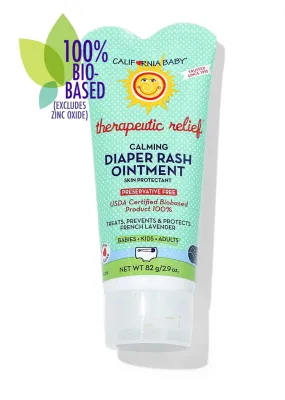
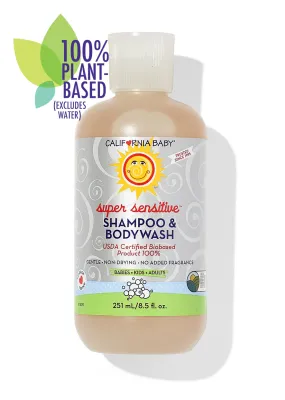
California Baby is widely recognized for its commitment to plant-based ingredients, offering several lines designed specifically for sensitive skin, such as their Super Sensitive and Calendula ranges. Many of these products are formulated without common irritants like synthetic fragrances, parabens, sulfates, or common allergens like gluten, soy, or dairy. The brand heavily utilizes botanical ingredients, including certified organic calendula extract, which is traditionally valued for its soothing properties. For many infants, these minimally processed, plant-derived formulations provide a gentle cleansing experience that preserves the skin’s natural lipid layer without causing dryness.
Products mentioned in this guide
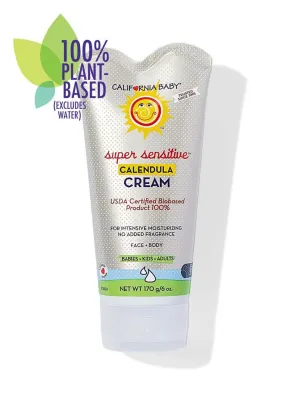
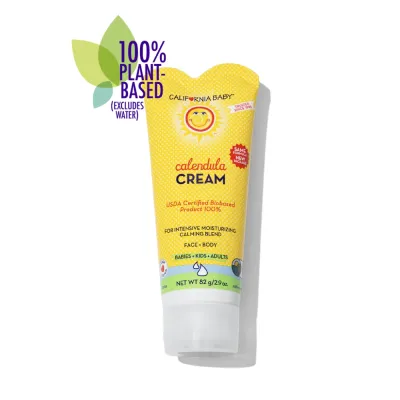
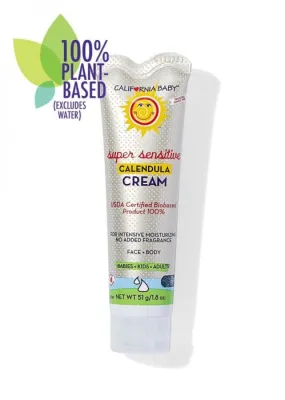
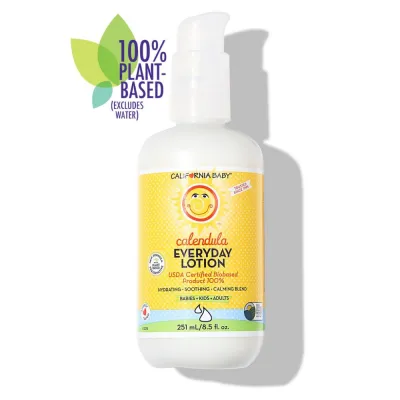
Prices are valid at publication and may change. Please refer to the product page for the latest price.
However, a common misconception among parents is that “natural,” “organic,” or “botanical” ingredients are inherently hypoallergenic. In dermatological science, natural plant extracts and essential oils are actually well-known triggers for allergic contact dermatitis. Calendula, while soothing for many, belongs to the Asteraceae family of plants, which can occasionally cause allergic reactions in individuals with highly sensitive skin. Furthermore, even natural essential oils used for fragrance in some product lines contain complex organic compounds that can irritate a newborn’s respiratory tract or delicate skin barrier. Parents must recognize that “natural” does not guarantee a reaction-free experience, and every botanical ingredient carries a baseline risk of sensitivity.
To mitigate these risks, parents should always perform a localized patch test before introducing any new bath product to a newborn’s full body. This step-by-step process helps identify potential sensitivities safely:
- Select a test area: Choose a small, clean, and dry patch of skin on the baby's body, such as the inner forearm or behind the ear, where the baby cannot easily rub or lick the product.
- Apply a small amount: Place a tiny, pea-sized drop of the diluted bath product (or leave-on lotion, if testing one) onto the selected area.
- Monitor the application: For wash-off products like baby wash or shampoo, leave the product on the skin for a brief period—typically two to three minutes—before rinsing it thoroughly with lukewarm water. For leave-on products, allow it to remain on the skin.
- Observe for 24 to 48 hours: Keep a close eye on the test site over the next two days, looking for any signs of localized redness, swelling, tiny bumps, dryness, or flaking.
- Evaluate the results: If the skin remains clear and unchanged, the product is generally considered safe for broader use. If any signs of irritation develop, discontinue use immediately and wash the area with clean water.
How HSA Regulates Baby Bath Products in Singapore
When purchasing baby bath products in Singapore, it is vital to understand the regulatory framework established by the Health Sciences Authority (HSA). In Singapore, standard baby bath products—including baby washes, shampoos, bubble baths, and general moisturizers—are legally classified as cosmetic products. Under the Health Products Act and the ASEAN Cosmetic Directive, cosmetic products do not undergo a pre-market approval or registration process by the HSA before they can be sold. Instead, the regulatory framework relies on a post-market surveillance system. This means the HSA does not independently test or “approve” every baby wash bottle on retail shelves; rather, it monitors safety and compliance once the products are already in the market.

This post-market system is anchored by the Cosmetic Notification process. Before any baby bath product can be imported, distributed, or sold in Singapore, the local company responsible for placing the product on the market must submit a cosmetic product notification to the HSA. This notification provides the HSA with essential details, including the product’s formulation, safety assessments, and manufacturing sources. It is important for parents to distinguish this notification from a therapeutic registration. A cosmetic notification does not mean the product has been endorsed or certified safe by the government; it simply means the local distributor has declared compliance with safety standards and registered their intent to sell the product.
In contrast, therapeutic products are subject to a much stricter pre-market evaluation and registration process. If a baby product makes specific medical or therapeutic claims—such as promising to treat, cure, or alleviate diagnosed medical conditions like eczema, psoriasis, or severe fungal infections—it is no longer classified as a simple cosmetic. These products must be registered as therapeutic products or medicinal products, requiring the submission of clinical trial data, scientific evidence of efficacy, and rigorous safety evaluations by medical experts. Parents must be careful not to mistake cosmetic claims like “soothes dry skin” or “calms redness” for medical treatments, as cosmetic notifications do not verify clinical efficacy for treating medical skin conditions.
Under Singapore law, the local importer or distributor bears the primary legal responsibility for the safety and quality of the baby bath products they sell. They must ensure that the products do not contain any banned substances, that any restricted ingredients remain within safe limits, and that the manufacturing facilities adhere to Good Manufacturing Practice (GMP) standards. Furthermore, the local company is legally obligated to maintain a Product Information File (PIF) containing safety data sheets and to report any adverse events or customer complaints to the HSA immediately. This system ensures accountability and allows the HSA to take swift action, such as issuing public alerts or product recalls, if a safety issue arises.
How to Verify Product Compliance and Authenticity
To ensure that the California Baby products you purchase for your newborn are genuine, safe, and compliant with Singapore’s regulatory standards, parents must know how to inspect the physical packaging. Under the ASEAN Cosmetic Directive, compliant products sold in Singapore must feature specific, mandatory labeling on their packaging. This includes a complete list of ingredients using the International Nomenclature of Cosmetic Ingredients (INCI) naming system, which allows parents to identify potential allergens easily. Additionally, the label must clearly display the batch number, the expiry date or period-after-opening symbol, the country of manufacture, and the name and address of the local company responsible for importing or distributing the product in Singapore. If this local contact information is missing, the product may have entered the market through unverified channels.
While the HSA’s internal database of cosmetic notifications is primarily used by industry professionals and regulators, parents can still use the HSA website as a powerful safety tool. The HSA regularly publishes public alerts, press releases, and safety updates regarding cosmetic products that have been found to contain undeclared harmful ingredients, heavy metals, or banned preservatives. Before purchasing a new brand or product line, parents should visit the official HSA website to check for any active product recalls or safety warnings. This practice is especially important for baby products, where the margin for safety is incredibly narrow.
To guarantee product authenticity and ensure proper storage conditions, parents should prioritize purchasing baby bath products from authorized retailers, official brand stores, or established pharmacy chains in Singapore, such as Guardian, Watsons, or Unity. Authorized supply chains guarantee that the products are sourced directly from the manufacturer or their designated local distributor. This is crucial because botanical and natural formulations are highly sensitive to environmental factors. In Singapore’s tropical climate, improper transport or storage in non-air-conditioned warehouses can expose these products to extreme heat and humidity, leading to ingredient separation, preservative breakdown, or microbial contamination. Purchasing from reputable retailers ensures that the products have been handled under climate-controlled conditions.
Parents should exercise extreme caution when purchasing baby products from unauthorized third-party sellers on online marketplaces or parallel importers. While these listings may offer lower prices, they carry a significantly higher risk of being counterfeit, expired, or improperly stored. If you receive a product that lacks English labeling, has a broken or missing safety seal, displays altered batch numbers, or exhibits an unusual separation of oil and water, do not use it on your newborn. Tampered or unverified packaging should be reported to the retailer, and parents should consult the official manufacturer to verify the batch code before attempting any application.
Recognizing and Managing Skin Reactions in Newborns
Despite careful selection and patch testing, a newborn’s highly reactive skin can still experience adverse reactions to bath products. Parents must be able to recognize the early signs of skin irritation or allergic contact dermatitis. These signs typically manifest as localized redness, rough or dry patches, scaling, or small raised bumps (hives) on the areas of the skin that came into contact with the product. In some cases, a baby may show signs of physical discomfort, such as increased fussiness, crying, or scratching at the skin during or shortly after bath time. Recognizing these symptoms early allows parents to intervene before the skin barrier becomes severely compromised.
If you suspect your newborn is experiencing a reaction to a bath product, you should take immediate, low-risk steps to soothe the skin and prevent further irritation:
- Discontinue use immediately: Stop using the suspected bath product, lotion, or shampoo right away. Do not attempt to "wait and see" if the skin adapts to the formulation.
- Rinse the skin gently: Wash the affected area thoroughly with plain, lukewarm tap water to remove any remaining product residue. Avoid using any soaps, cleansers, or washcloths that could further irritate the skin through friction.
- Pat dry carefully: Gently pat the skin dry with a clean, soft, 100% cotton towel. Avoid rubbing or wiping the skin, which can damage the fragile epidermal layer.
- Avoid active skincare products: Do not apply any scented lotions, body oils, or unverified home remedies (such as herbal pastes, breastmilk, or food-grade oils) to the irritated skin. These substances can introduce bacteria or exacerbate the allergic reaction.
It is crucial to establish clear boundaries for when home observation must end and professional medical care must begin. Parents should consult a registered pediatrician or dermatologist immediately if the redness or rash spreads to other parts of the body, if the skin develops blisters, oozing, or pus, or if the baby develops a fever or appears unusually lethargic. These symptoms can indicate a secondary bacterial infection or a systemic allergic reaction that requires medical intervention. Always prioritize professional medical advice over online forums or anecdotal recommendations when dealing with a newborn’s health.
Finally, parents must be strongly cautioned against using over-the-counter (OTC) medicated creams, such as topical hydrocortisone or steroid ointments, on a newborn’s skin without direct guidance from a qualified healthcare professional. A newborn’s skin is thin and highly absorbent, meaning topical medications are absorbed into the bloodstream at a much higher rate than in older children or adults. Misusing steroid creams on an infant can lead to serious adverse effects, including skin thinning, increased susceptibility to infections, and systemic hormonal imbalances. Always obtain a precise diagnosis and treatment plan from a pediatrician before applying any medicated treatments to your baby’s skin.
Frequently Asked Questions (FAQ)
Do standard baby body washes require pre-market HSA approval in Singapore?
No, standard baby body washes do not require pre-market approval or registration by the Health Sciences Authority (HSA) in Singapore. Because they are classified as cosmetic products, they are regulated under a post-market surveillance system. However, before these products can be sold to consumers, the local importer or distributor must submit a Cosmetic Notification to the HSA. This notification declares that the product complies with local safety standards and allows the HSA to track the product in the market. Pre-market evaluation and formal registration are only required for therapeutic products that make specific medical claims, such as treating eczema or other clinical skin conditions.
Is it safe to use botanical baby washes on a newborn with diagnosed eczema?
If a newborn has been diagnosed with eczema, it is highly recommended to consult a pediatrician or dermatologist before introducing any botanical baby washes. Eczema-prone skin has a severely compromised skin barrier that is exceptionally vulnerable to irritants and allergens. Botanical ingredients, organic plant extracts (such as calendula or chamomile), and natural essential oils contain complex organic compounds that can easily penetrate a compromised skin barrier and trigger allergic contact dermatitis or worsen eczema flare-ups. For infants with eczema, medical professionals generally recommend fragrance-free, non-botanical, and dermatologically tested synthetic formulations designed specifically to support and repair a damaged skin barrier.
Community discussion
Share your experience or ask a question. Comments are reviewed before publication.