
When shopping for baby bath products like California Baby in Singapore, parents often look for regulatory reassurance to ensure the safety of their little ones. The short answer is that California Baby products do not receive “HSA approval” because the Health Sciences Authority (HSA) of Singapore does not issue pre-market approvals for cosmetic products, including baby washes, shampoos, and lotions. Instead, these items must undergo a mandatory post-market notification process. This means the local importer or distributor must notify the HSA before placing the products on the market, making it the responsibility of parents to verify that the specific items they buy are properly notified.
Understanding this distinction is vital for navigating the baby care market in Singapore. While California Baby is a well-known brand globally, its regulatory status on local shelves depends entirely on whether a local company has filed the necessary notifications with the HSA. By learning how to check the HSA database and what safety indicators to look for on the packaging, you can make informed decisions that protect your baby’s sensitive skin.
Understanding HSA Regulations for Baby Bath Products
In Singapore, baby bathing products such as body washes, bubble baths, shampoos, and moisturizing lotions are classified as cosmetic products. Under the Health Products Act and its subsidiary cosmetics regulations, these products do not undergo a pre-market evaluation or approval process by the HSA. Unlike therapeutic products or medicines, which require rigorous pre-market testing and registration before they can be prescribed or sold, cosmetics are regulated through a post-market surveillance system.
Products mentioned in this guide
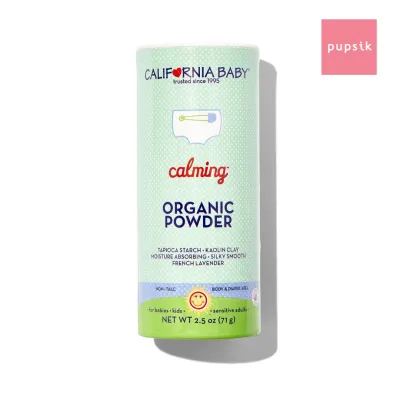
![[3-pack] California Baby Calendula Cream Tube 6oz (exp 01/29)](https://img.lazcdn.com/g/p/fffa3ff9c955a3cf080b61edc5f7b885.png_400x400q80.png_.webp)
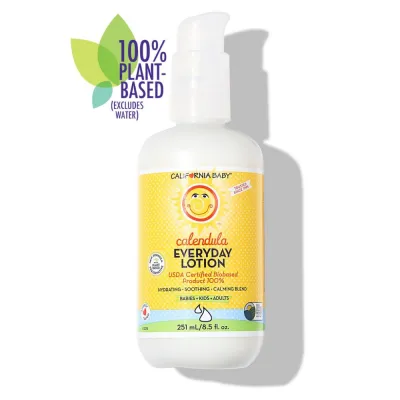
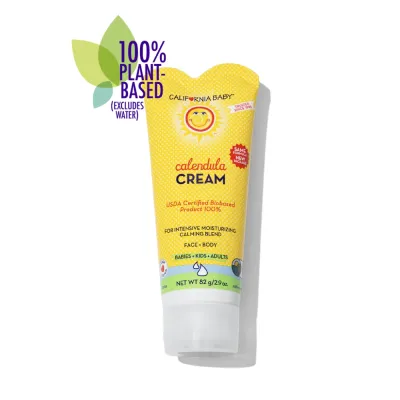
Prices are valid at publication and may change. Please refer to the product page for the latest price.
This post-market system places the primary responsibility on the company that imports, distributes, or sells the product locally. Before any cosmetic product can be supplied to consumers in Singapore, the local company must submit a product notification to the HSA. This notification serves as an official declaration that the product complies with local safety standards, does not contain prohibited ingredients, and is labeled correctly.
The baseline safety standards set by the HSA require that all cosmetic ingredients meet specific safety profiles. Manufacturers and local importers must ensure that the formulations do not contain harmful substances, heavy metals beyond permissible limits, or banned chemical compounds. Additionally, the packaging must carry clear, legible labeling in English, detailing the full ingredient list, batch number, and instructions for safe use.
For parents, verifying the notification status of a baby product is a crucial first step in safety assurance. A valid HSA notification indicates that a local business has taken legal responsibility for the product’s safety and compliance. It also means the HSA has a record of the product, allowing the authority to track, monitor, and recall the item quickly if any safety issues or adverse reactions are reported in the market.
How to Verify California Baby Products on the HSA Database
To confirm whether the California Baby products you are purchasing are legally notified in Singapore, you can perform an independent check using the official HSA online portal. The HSA maintains a public registry of notified cosmetic products, which is accessible to anyone with an internet connection. This database is updated regularly as new notifications are processed or existing ones are updated by local distributors.

To begin your search, navigate to the official Health Sciences Authority website and locate the search registry for cosmetic products. Once on the search page, you will find several search fields designed to help you filter the database. The most direct way to search is by typing “California Baby” into the brand name field. It is best to keep the search term broad initially to capture all registered variants under the brand.
If you want to narrow down your search, you can input more specific parameters. For instance, you can search by the exact product name, such as “California Baby Calendula Shampoo” or “California Baby Super Sensitive Body Wash.” Alternatively, if you have the product packaging on hand, you can search using the name of the local importer or distributor listed on the label. This is particularly useful for identifying whether the product was brought in by an authorized local representative.
When interpreting the search results, a successful match will display the product name, the notifying company (the local importer), and the notification validity. If a specific California Baby item or variant does not appear in the database, it typically means one of three things. First, the product may have been purchased directly from an overseas seller or an online marketplace that bypasses local distribution channels. Second, the item might be a parallel import that has not been notified by the importing party. Third, the product could be an unauthorized or counterfeit version, which carries significant safety risks.
Essential Safety Checks Beyond HSA Notification
While verifying the HSA notification status provides a baseline of regulatory compliance, it does not guarantee that a product is perfectly suited for your baby’s unique skin. Baby skin is significantly thinner and more permeable than adult skin, making it highly susceptible to irritation and allergic reactions. Therefore, parents should perform additional safety checks before introducing any new bathing product to their child’s routine.
Start by carefully reviewing the ingredient list on the back of the packaging. Even natural or organic brands like California Baby can contain ingredients that trigger sensitivities in some infants. Look out for common irritants, essential oils, or botanical extracts that your baby might be sensitive to, especially if they have a history of eczema or dry skin. For newborns and highly sensitive infants, fragrance-free and dye-free formulations are generally recommended to minimize the risk of contact dermatitis.
Next, inspect the physical packaging of the product thoroughly. Ensure that the item has a clear expiration date or a “period after opening” symbol (usually depicted as an open jar icon with a number of months, such as 6M or 12M). Check for a visible batch number, which is essential for tracking the product in case of a manufacturer recall. The safety seals should be completely intact, and the labeling must be legible and written in English, providing clear usage instructions.
Finally, observe the physical state of the product when you open it for the first time. The texture, color, and scent should be consistent with the manufacturer’s description. If you notice any unusual separation of liquids, a rancid or off-putting smell, or an unexpected change in color, do not use the product on your baby. These physical changes can indicate that the product was stored incorrectly during transit or has expired, which can lead to bacterial contamination or skin irritation.
Managing Adverse Reactions and Reporting Concerns
Even when using a notified and carefully inspected product, there is always a small risk that a baby may experience an adverse skin reaction. If you notice any signs of redness, swelling, itching, hives, or dry patches after using a California Baby product, you must take immediate action to protect your baby’s skin.
The first step is to stop using the product immediately. Gently cleanse the affected area with lukewarm, plain water to remove any remaining product residue from the skin. Avoid using other soaps, bubble baths, or fragranced lotions on the irritated area, as these can exacerbate the reaction. Pat the skin dry gently with a clean, soft towel rather than rubbing it.
If the skin reaction is severe, covers a large area of the body, causes visible discomfort to your baby, or is accompanied by other symptoms like fever or difficulty breathing, consult a pediatrician or a qualified healthcare professional immediately. A doctor can provide an accurate diagnosis, prescribe appropriate soothing treatments, and advise you on how to manage your baby’s skin recovery safely.
In addition to seeking medical advice, you can report the adverse reaction to the Health Sciences Authority. The HSA monitors the safety of cosmetic products sold in Singapore and relies on reports from consumers and healthcare professionals to identify potential safety trends or contaminated batches. Reporting an issue helps the authority investigate the product and, if necessary, take regulatory action to protect other families in the community.
Frequently Asked Questions (FAQ)
Are all imported baby brands automatically HSA-notified?
No, imported baby brands are not automatically notified to the HSA. The responsibility for submitting a cosmetic product notification lies entirely with the local company, importer, or distributor that intends to sell the product in Singapore. If a brand is imported directly by an individual consumer or sold by an overseas seller on an ecommerce platform, it may bypass the local notification process entirely. This means such products do not undergo the same level of local regulatory oversight and safety monitoring as those distributed by authorized local companies.
Can I safely buy baby bath products from overseas online marketplaces?
Buying baby bath products directly from overseas online marketplaces carries inherent risks. These products often bypass local HSA notification requirements, meaning there is no local importer held accountable for their safety. Additionally, products shipped from overseas may be exposed to extreme temperatures and humidity during transit, which can degrade the formulation and compromise its safety. There is also a higher risk of encountering counterfeit products or formulations that do not comply with Singapore’s ingredient safety standards.
What is the difference between HSA notification and HSA approval?
The primary difference lies in the level of pre-market evaluation. HSA approval is reserved for high-risk therapeutic products, medical devices, and medicines, which must undergo rigorous clinical evaluation and safety testing by the authority before they can be sold. In contrast, HSA notification is a post-market regulatory requirement for lower-risk cosmetic products, including baby washes and shampoos. Notification confirms that the local distributor has declared compliance with safety standards, but it does not represent an official endorsement or a guarantee against individual allergic reactions.

Community discussion
Share your experience or ask a question. Comments are reviewed before publication.