
Quick Answer: California Baby and HSA Compliance in Singapore
California Baby products are not “HSA-registered” in the way medicines are, because the Health Sciences Authority (HSA) in Singapore regulates baby bathing and skincare products as cosmetic products. Under Singapore’s regulatory framework, cosmetics require a pre-market notification submitted by a local company before they can be sold locally, rather than a formal registration or approval process.
This means there is no blanket “HSA approval” for the entire California Baby brand. Instead, each individual product—such as a specific shampoo, body wash, or lotion—must have its own active cosmetic notification filed by its local importer or distributor. Parents looking to verify the safety of these products must check the notification status of the specific item they intend to buy and evaluate the ingredients against their baby’s unique skin needs. “Safe” is a relative term that depends on individual skin sensitivities, meaning general brand claims must always be cross-checked with actual product labels.
How HSA Regulates Baby Bathing and Skincare Products
To navigate the baby care market in Singapore safely, it is essential to understand how the HSA oversees these products. The HSA classifies everyday baby hygiene items, including bubble baths, body washes, shampoos, and daily moisturizers, under the category of cosmetic products. Unlike medicines, which undergo rigorous laboratory testing and clinical evaluation by the HSA before registration, cosmetic products do not receive pre-market approval or safety certification from the authority.
Products mentioned in this guide
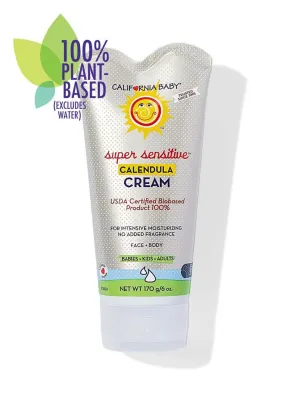
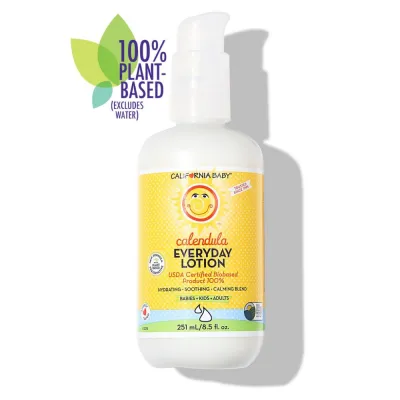
![[3-pack] California Baby Shampoo/Bodywash 19oz (3 Scents)](https://img.lazcdn.com/g/p/7971d42696e86232d5cf856d23677c18.png_400x400q80.png_.webp)
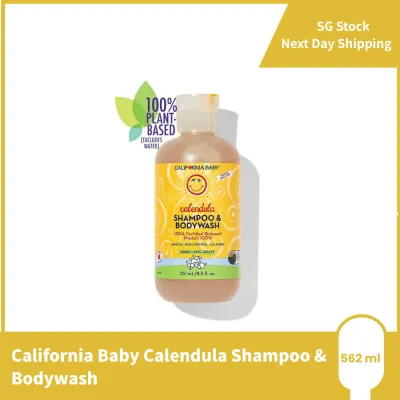
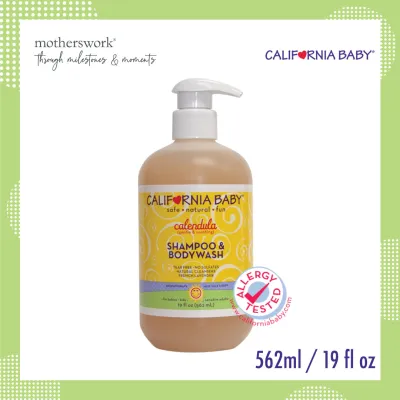
Prices are valid at publication and may change. Please refer to the product page for the latest price.

Instead, the regulatory system relies on a notification process. Before any cosmetic product is placed on the Singapore market, the local importer, distributor, or manufacturer must submit a product notification to the HSA. This notification serves as an official declaration that the product complies with the ASEAN Cosmetic Directive, which outlines safety standards, ingredient restrictions, and labeling requirements. The local company submitting this notification is legally responsible for the safety, quality, and compliance of the product.
Because the HSA does not physically test every batch of notified cosmetics before they are sold, the system relies heavily on post-market surveillance. The HSA monitors the market, investigates consumer complaints, and conducts random audits or product testing to identify non-compliant or contaminated items. If a product is found to contain prohibited substances or cause adverse reactions, the HSA has the authority to order recalls, issue public alerts, and penalize the responsible local company. This makes consumer vigilance and purchasing from reputable local sources highly critical for parents.
Step-by-Step Guide to Checking Product Notification Status
Verifying whether a specific California Baby product has been legally notified in Singapore is a straightforward process that parents can perform online. The HSA maintains a public database of notified cosmetic products, which is accessible to anyone. By checking this database, you can confirm whether the product you are purchasing has been officially declared by a local importer, ensuring a layer of regulatory accountability.
To begin, visit the official Health Sciences Authority website and navigate to the “Search Notified Cosmetic Products” tool. You can search by product name, brand name, or the local notification holder. Once on the search page, you will find fields that allow you to search by various criteria.
When entering search terms, type “California Baby” into the brand name or product name field. Because product names in the database must match the exact labeling submitted by the importer, try searching for specific product lines, such as “California Baby Calendula” or “California Baby Super Sensitive,” if a broad search yields too many results.
Analyze the search results carefully to confirm the details. A valid entry will display the exact product name, the name of the company that submitted the notification (the local importer or distributor), and the notification number. If the product name matches but the importer listed is a company you do not recognize, it indicates that a specific local entity has notified that batch or shipment.
If your search yields no results for a particular California Baby product, it could mean several things. The product may be a parallel import brought into Singapore directly from overseas without going through the local notification process, or it might be an unauthorized or counterfeit item. In such cases, it is advisable to contact the retailer to ask for their HSA notification details, or choose to purchase from an authorized local distributor whose products are fully notified and traceable.
Assessing Ingredient Safety and Performing a Patch Test
While regulatory notification ensures that a product does not contain banned substances, it does not guarantee that a product will not cause an allergic reaction or irritation on your baby’s skin. Infant skin is significantly thinner, more permeable, and more sensitive than adult skin, making it highly reactive to external substances. Therefore, parents must take the additional step of reading the physical ingredient label and conducting a practical safety check.
When examining the packaging of a California Baby product, look past the marketing claims on the front label and focus entirely on the ingredient list on the back. Even products marketed as “natural,” “organic,” or “hypoallergenic” can contain botanical extracts, essential oils, or mild preservatives that may trigger contact dermatitis in sensitive infants. Common ingredients like calendula, lavender, or tea tree oil, while natural, are known allergens for some babies.
To minimize the risk of a widespread skin reaction, always perform a localized patch test before applying any new product to your baby’s entire body. This simple test allows you to observe skin reactions safely without exposing their whole body to potential irritation.
To conduct a patch test, follow these steps:
- Select a test area: Choose a small, clean, and dry area of skin that is less likely to be rubbed or scratched, such as the inside of your baby's upper arm or the side of their neck.
- Apply a small amount: Dab a tiny, pea-sized amount of the product onto the selected area. If it is a wash or shampoo, mix it with a little water, apply it, leave it on for a minute, and then rinse it off gently. For lotions or creams, leave the product on the skin.
- Monitor the area: Leave the test patch undisturbed for 24 to 48 hours, checking the spot regularly for any signs of a reaction.
- Observe and decide: If the skin remains clear, smooth, and normal in appearance, the product is likely suitable for wider use. If you notice any redness, swelling, tiny bumps, or if your baby shows signs of discomfort or itching, wash the area immediately and discontinue use.
Recognizing Adverse Reactions and When to Seek Medical Help
Even with careful preparation and patch testing, a baby’s skin barrier can occasionally react unexpectedly to a product during regular use. Recognizing the early signs of skin irritation or allergic contact dermatitis is crucial for preventing the condition from worsening. Parents should monitor their baby’s skin during and after bath time for any unusual changes.
Common indicators of an adverse reaction include localized redness, dry or flaky patches, raised red bumps, hives, or a rough texture on the skin. In some cases, a baby may become unusually fussy, irritable, or cry during a bath, which can be a sign that the product is causing a stinging or burning sensation on their skin, even if no visible rash has appeared yet.
If you suspect a reaction, stop using the product immediately and rinse the affected area thoroughly with lukewarm water. Avoid applying other scented lotions, active creams, or home remedies, as these can exacerbate the inflammation. Keep the skin clean and dry to allow it to recover naturally.
While mild irritation often resolves on its own once the offending product is removed, certain symptoms require professional medical evaluation. You should consult a pediatrician or a pediatric dermatologist if the redness or rash spreads to other parts of the body, if the skin develops blisters, oozing, or crusting, or if the baby develops a fever. Additionally, if the skin irritation does not show signs of improvement after a few days of discontinuing the product, seek professional medical advice to obtain an accurate diagnosis and appropriate treatment plan.
Frequently Asked Questions (FAQ)
Can I buy California Baby products from overseas online stores?
Yes, many parents in Singapore purchase California Baby products directly from overseas online stores or cross-border ecommerce platforms. However, doing so carries distinct regulatory and quality risks. Products purchased directly from overseas bypass the local HSA cosmetic notification system, meaning there is no local importer held legally accountable for the safety or authenticity of the product in Singapore.
Furthermore, cross-border shipping introduces risks related to product integrity. Skincare products can degrade if subjected to high temperatures and humidity during transit. There is also a higher risk of receiving expired stock, parallel imports formulated for different regional standards, or counterfeit products.
Does California Baby guarantee eczema relief for infants?
No, California Baby products do not carry a medical guarantee for eczema relief, and they are not registered as therapeutic treatments with the HSA. While some products in their range are formulated with soothing ingredients like calendula or colloidal oatmeal to help calm dry, sensitive skin, they are classified as cosmetic products intended for general cleansing and moisturizing.
Eczema is a complex medical condition that requires a tailored management plan. While gentle, fragrance-free cosmetic washes and moisturizers can support the skin barrier, they cannot replace prescribed medical treatments such as topical steroids or barrier repair creams. If your baby has been diagnosed with eczema or exhibits persistent, severe dry patches, you should consult a pediatrician or dermatologist for a professional treatment plan rather than relying solely on over-the-counter cosmetic claims.
How should I store baby bathing products in Singapore's climate?
Singapore’s tropical climate, characterized by high temperatures and relative humidity, can accelerate the degradation of baby skincare and bathing products. To maintain the stability and safety of the ingredients, store all products in a cool, dry place away from direct sunlight, heat sources, and excessive moisture. Avoid storing unopened backup bottles in the bathroom, as the frequent temperature fluctuations and steam can compromise the packaging and preservatives.
Before each use, perform a quick sensory check of the product. Look for any noticeable changes in color, separation of ingredients (such as oil separating from water), changes in texture, or an unusual or sour smell. Because many baby products use milder preservative systems, they are more susceptible to bacterial or mold growth if exposed to heat and moisture. If you observe any of these signs of spoilage, discard the product immediately to protect your baby’s skin.
Community discussion
Share your experience or ask a question. Comments are reviewed before publication.