
BZU BZU cream can be safe for newborns, provided parents carefully verify the specific product’s ingredient list, check for potential allergens, and perform a proper patch test. Newborn skin is exceptionally thin, highly permeable, and lacks a fully developed protective barrier. Consequently, any topical product applied to a newborn’s skin requires a methodical safety check to prevent irritation or allergic reactions.
Diaper creams generally serve as a physical shield against moisture and enzymes. To determine if a specific tube of BZU BZU cream is suitable for your baby, you must know how to read its packaging, understand the active barrier agents, and recognize any added botanical extracts or preservatives. Taking these steps ensures you make an informed decision tailored to your infant’s unique skin sensitivity.
This guide walks you through how to locate and audit the ingredient list, what common diaper cream components do, how to safely introduce the product to your newborn, and when to seek professional medical advice.
Products mentioned in this guide
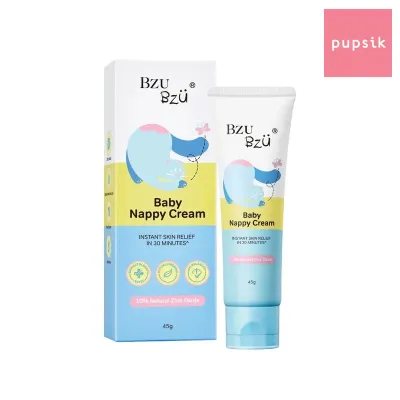
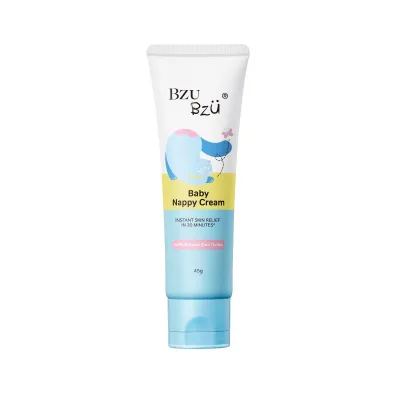
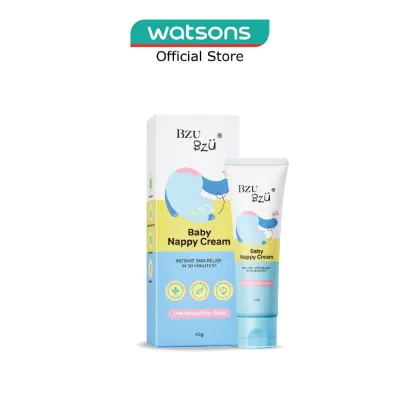
Prices are valid at publication and may change. Please refer to the product page for the latest price.
How to Check the BZU BZU Cream Ingredient List
To verify what goes onto your baby’s skin, locate the International Nomenclature of Cosmetic Ingredients (INCI) list. This list is typically printed on the back of the physical tube or the outer cardboard box of the cream. If you have already discarded the packaging, verify the ingredients on the official brand website or through authorized retail listings rather than relying on unverified third-party forums.
Always check the manufacturing date, batch number, and expiry date before application. These details are usually stamped on the crimp of the tube or the bottom of the box. Using expired cream can lead to ingredient separation or bacterial contamination, which poses a direct risk to a newborn’s delicate skin barrier.
Look for official safety certifications and dermatological testing claims printed on the label. Phrases like “dermatologically tested,” “hypoallergenic,” or specific age recommendations (such as “suitable for newborns”) provide initial guidance. However, parents should verify these claims against the manufacturer’s official product documentation, as testing standards can vary.
Understanding Common Diaper Cream Ingredients for Newborns
Standard diaper creams rely on physical barrier agents to shield the skin from wetness. Zinc oxide is a classic ingredient that forms a water-resistant layer over the skin, protecting it from the moisture and enzymes present in dirty diapers. Petrolatum is another common barrier agent that locks in moisture and prevents chafing. When reviewing your cream, check the label to see which barrier agents are utilized and their relative positions on the ingredient list, as ingredients are listed in descending order of concentration.

Soothing and moisturizing agents are often added to calm mild irritation and support skin recovery. Many baby creams incorporate plant-based emollients, shea butter, or calendula extracts to maintain hydration. While these natural ingredients can be highly beneficial, parents must still verify that their newborn does not have an individual sensitivity to them.
Potential irritants should be carefully scrutinized when selecting newborn skincare. Synthetic fragrances, parabens, essential oils, and certain harsh preservatives can trigger contact dermatitis in infants. Carefully scan the packaging to ensure the product is free from artificial perfumes or strong essential oils, which are unnecessary for diaper area protection and can irritate compromised skin.
How to Safely Introduce the Cream to Your Newborn
Before applying any new cream to the diaper area, perform a localized patch test. Apply a tiny, pea-sized amount of the cream to a small, clean area of the baby’s skin, such as the inner arm or thigh. Observe the area for 24 hours to check for any signs of redness, swelling, or irritation before proceeding with full application.
Proper skin preparation is essential to maximize the effectiveness of the barrier cream. Gently cleanse the diaper area using lukewarm water or a fragrance-free, alcohol-free baby wipe. Avoid rubbing the skin, which can cause micro-tears, and ensure the area is completely dry before applying the cream, as trapping moisture beneath a barrier can worsen diaper rash.
When applying the cream, use a gentle patting motion rather than heavy friction. Create a visible, even layer over the areas prone to wetness and diaper contact. This protective barrier prevents direct contact between the skin and diaper contents, allowing the skin underneath to remain protected and healthy.
When to Stop Using the Cream and See a Doctor
Discontinue use immediately if you observe signs of allergic contact dermatitis or localized irritation. This includes sudden redness, hives, swelling, dry peeling skin, or if your baby shows signs of discomfort and fussiness during or shortly after application.
Standard diaper rash should improve within a few days of consistent barrier cream application and frequent diaper changes. If the rash worsens, spreads, or develops bright red spots, blisters, pus-filled bumps, or weeping sores, it may indicate a secondary fungal or bacterial infection.
Do not rely solely on over-the-counter barrier creams if a rash persists for more than two to three days. Consult a pediatrician or a pediatric dermatologist in Singapore to obtain an accurate diagnosis and appropriate treatment, which may require prescription-strength topical care.
Frequently Asked Questions (FAQ)
Can I use diaper cream near the umbilical cord stump?
The umbilical cord stump must be kept clean and dry to promote natural healing and prevent infection. Avoid applying diaper creams, lotions, or any other topical products near or on the stump. If the diaper area requires cream, ensure it is applied well below the umbilical region, and consult your pediatrician if you notice any redness, discharge, or unusual odor around the stump.
How often should I apply the cream during diaper changes?
For preventative care, a thin layer of barrier cream can be applied during routine diaper changes, especially before long periods of sleep when the baby will wear the diaper longer. If mild irritation is present, a thicker layer is often recommended to maximize protection. Always read and follow the specific usage instructions provided by the manufacturer on the packaging to ensure optimal application frequency.

Community discussion
Share your experience or ask a question. Comments are reviewed before publication.