
When choosing a cleaning product for your infant’s feeding equipment, safety is the top priority. If you are looking at Bzu Bzu bottle wash, you might wonder if it holds official certification from the Health Sciences Authority (HSA) of Singapore. The direct answer is that Bzu Bzu bottle wash is not HSA-certified, because the HSA does not certify, approve, or register household dishwashing liquids or baby bottle cleansers. These products fall outside the regulatory framework of therapeutic products, cosmetics, and medical devices.
However, the lack of an HSA stamp does not mean the product is unsafe for your baby. Bzu Bzu bottle wash is formulated specifically for baby accessories, utilizing plant-derived surfactants and food-grade ingredients designed to remove stubborn breast milk and formula residues without leaving harmful chemical films. To ensure your peace of mind, you can evaluate the safety of this cleanser by understanding how household products are regulated in Singapore, analyzing the ingredient list, and following proper washing and rinsing protocols.
Understanding HSA Certification for Baby Bottle Washes
To make informed purchasing decisions, parents must understand the distinct regulatory roles of government bodies in Singapore. The Health Sciences Authority (HSA) is responsible for regulating health products, including western medicines, traditional Chinese medicine, medical devices, and cosmetics. Cosmetics include products applied directly to the human body, such as baby lotions, baby shampoos, and baby washes. Because a baby bottle wash is used to clean external feeding utensils rather than being applied directly to the skin or ingested as medicine, it does not fall under the jurisdiction of the HSA for pre-market approval or certification.
Products mentioned in this guide
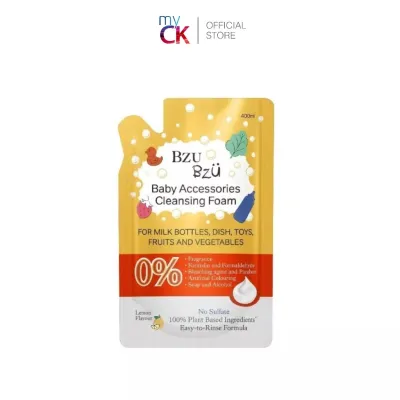
Prices are valid at publication and may change. Please refer to the product page for the latest price.
On the other hand, the Singapore Food Agency (SFA) oversees food safety and food-contact materials, such as the plastics used in baby bottles or food packaging. However, household detergents, including dishwashing liquids and dedicated baby bottle cleansers, are classified as general consumer goods. In Singapore, general consumer goods are overseen by Enterprise Singapore under the Consumer Protection (Safety Requirements) Registration Scheme, which focuses on general product safety rather than issuing individual safety “approvals” or “badges” for cleaning liquids.
When a brand claims its bottle wash is “certified” or “approved,” this is frequently a marketing term that refers to third-party laboratory testing or compliance with international standards rather than local government endorsement. Instead of searching for a non-existent HSA certification badge on household cleaning products, parents should look for specific indicators of safety. These include ingredient transparency, compliance with international food-contact safety guidelines, and independent dermatological or toxicological evaluations.
Evaluating the Safety Profile of Bzu Bzu Bottle Wash
Evaluating the safety profile of Bzu Bzu bottle wash requires a critical look at the product packaging and the manufacturer’s disclosures. Parents should start by checking the label for a complete list of ingredients, clear usage instructions, and manufacturing details. Reliable baby care brands provide full transparency rather than hiding behind vague terms like “surfactants” or “cleaning agents.” Knowing exactly what goes into the bottle wash allows you to verify whether the formulation aligns with your safety standards.

Bzu Bzu bottle wash markets itself as a safe, plant-based solution that is free from harsh chemicals, formaldehydes, parabens, and artificial colorants. To assess these claims, cross-reference the printed ingredient list with recognized chemical safety databases. A safe baby bottle cleanser should rely on mild, biodegradable cleaning agents that break down milk fats effectively without leaving a persistent chemical residue on the plastic or silicone parts of the bottle.
Independent third-party testing serves as a reliable proxy for safety when government certifications do not apply. Look for indications that the product has undergone testing by reputable global organizations, such as SGS, to verify the absence of heavy metals, harmful microbes, or toxic chemical contaminants. Dermatological testing is another valuable indicator, ensuring that the liquid is gentle on the caregiver’s hands during frequent daily washing cycles.
It is important to remember that terms like “natural,” “organic,” or “plant-based” do not automatically guarantee that a product is entirely allergen-free. Plant-derived ingredients, such as those sourced from coconut or corn, can still trigger localized skin irritation or sensitivities in highly sensitive infants if the product is not rinsed away completely. Parents should always observe their baby’s reaction to newly washed bottles and check for any signs of discomfort or skin changes.
Key Ingredients to Look For and Avoid in Baby Cleaners
Understanding the science behind baby bottle cleansers helps you distinguish between gentle formulations and harsh industrial detergents. The primary active ingredients in any bottle wash are surfactants, which lower the surface tension of water to help lift and wash away oily milk fats and proteins. Safe baby bottle washes typically utilize alkyl polyglucosides, such as Decyl Glucoside or Coco Glucoside. These surfactants are derived from renewable plant sources like coconut, palm kernel, or corn, and they are highly biodegradable, exceptionally gentle, and rinse off cleanly without leaving a greasy film.
Conversely, there are several ingredients that parents should actively avoid when selecting a bottle wash for infant feeding items:
- Sodium Lauryl Sulfate (SLS) and Sodium Laureth Sulfate (SLES): These are harsh synthetic surfactants commonly used in adult dish soaps and shampoos to create thick foam. They can leave persistent residues on bottles and may cause skin irritation for the caregiver or mild digestive irritation for the infant if trace amounts are accidentally ingested.
- Parabens and Formaldehyde Donors: Used as cheap preservatives to extend shelf life, these chemicals are linked to potential endocrine disruption and skin sensitization. Safe baby cleansers utilize food-grade preservatives instead.
- Synthetic Fragrances and Artificial Dyes: These additives serve no functional cleaning purpose and are primary triggers for respiratory allergies and contact dermatitis in young infants. A completely fragrance-free or naturally scented formula is highly preferable.
When a manufacturer states that its bottle wash uses “food-grade” ingredients, it means the components are cleared for use in applications where they might come into contact with food. In the context of a bottle cleanser, food-grade ingredients ensure that if microscopic, invisible traces of the soap remain on the nipple or inside the bottle after a thorough rinse, they are non-toxic and safe for accidental ingestion by a developing infant.
How to Verify Safety Claims and Certifications in Singapore
Parents in Singapore can take several practical steps to verify the safety claims of baby cleansers independently. First, visit the official HSA and SFA websites regularly to check for recent product recalls, safety alerts, or non-compliance notices. While the HSA does not pre-approve bottle washes, it actively monitors the market and will issue public warnings or order product recalls if a household cleaning product is found to contain prohibited toxic substances, heavy metals, or undeclared pharmaceutical ingredients.
Second, learn to recognize and verify legitimate third-party certification logos on product packaging. Certifications from established international organizations, such as ECOCERT (for natural and organic cosmetic and detergent standards), the United States Department of Agriculture (USDA) Organic seal, or specific clinical dermatological test marks (like Dermatest), carry significant weight. You can often verify these claims by searching the online databases of the respective certifying bodies to ensure the brand’s registration is current and authentic.
Finally, always purchase baby bottle cleansers from authorized physical retailers, official brand flagship stores, or reputable pharmacies in Singapore. Buying from unverified third-party sellers on online marketplaces or parallel importers increases the risk of acquiring counterfeit products. These unauthorized goods may bypass local safety standards, lack accurate English ingredient labels, or be stored in conditions that compromise the stability and safety of the formulation.
Best Practices for Washing and Rinsing Baby Feeding Items
Regardless of the specific brand of baby bottle wash you choose, adopting a meticulous cleaning and rinsing routine is essential to keep your baby’s feeding equipment hygienic and free from chemical residues. Always wash your hands thoroughly with soap and water before handling any baby bottles, teats, or breast pump parts to prevent transferring bacteria from your hands to the clean equipment.
After feeding, disassemble all bottle parts completely, including the teats, collars, travel caps, and anti-colic valves. Rinse each part under running water to flush away loose milk residues. Apply a small amount of the baby bottle wash to a dedicated bottle brush and scrub all internal and external surfaces thoroughly. Pay special attention to the teat, where milk proteins tend to accumulate and harden; use a smaller teat brush to gently clean the tip, ensuring you do not tear the silicone.
Once scrubbed, perform a thorough rinse with clean, warm running water. This is the most critical step of the process. You must rinse each component until the water runs completely clear, there are no visible soap bubbles, and the surfaces feel clean and squeaky rather than slippery. A thorough rinse ensures that even the safest plant-derived surfactants are completely removed before the next step.
Remember that cleaning with a bottle wash is designed to remove physical dirt, milk fats, and organic matter, but it does not sterilize the equipment. After a thorough rinse, you must sterilize the bottles using a standard method, such as boiling them in water for five minutes, or using a dedicated steam or UV sterilizer, strictly following the manufacturer’s instructions for both the bottles and the sterilizing device.
Finally, dry the sterilized items properly. Place all components face down on a clean, dedicated bottle drying rack located in a well-ventilated area. Avoid using standard kitchen dish towels to dry the bottles, as these towels can harbor bacteria and transfer lint or pathogens back onto the freshly sterilized surfaces. Allow the parts to air dry completely before reassembling or storing them in a clean, dust-free container.
Frequently Asked Questions (FAQ)
Do all baby bottle washes need HSA approval in Singapore?
No, baby bottle washes do not require HSA approval to be sold in Singapore. Because bottle washes are classified as household cleaning products and general consumer goods rather than cosmetics, medicines, or medical devices, they fall outside the regulatory scope of the Health Sciences Authority. Instead, they are expected to comply with general consumer product safety standards overseen by Enterprise Singapore.
What should I do if my baby shows signs of sensitivity after using a new bottle wash?
If you suspect your baby is experiencing sensitivity, such as developing a skin rash around the mouth, vomiting, or showing unusual fussiness after feeding, stop using the bottle wash immediately. Thoroughly re-wash and sterilize all feeding equipment using only hot water to remove any potential soap residues. Monitor your baby closely and consult a pediatrician or qualified healthcare professional to obtain an accurate diagnosis and appropriate medical advice.
Can I use regular dishwashing liquid for baby bottles in an emergency?
Using regular dishwashing liquid is not recommended for baby bottles as a long-term solution. Regular dish soaps often contain strong synthetic fragrances, artificial colorants, and harsh surfactants like SLS or SLES designed to strip heavy grease from adult cookware, which can leave a chemical residue on porous silicone teats. If you must use it in an emergency, dilute the dish soap significantly, scrub the bottle parts thoroughly, and rinse them multiple times under warm running water to ensure all traces of soap are completely gone before sterilizing.
Community discussion
Share your experience or ask a question. Comments are reviewed before publication.