
Bioderma ABCDerm is a widely recognized pediatric skincare range, but when navigating the baby care market in Singapore, understanding local regulatory standards is essential for peace of mind. Many parents search for “HSA-certified” products, assuming a formal approval process exists for infant skincare. However, the regulatory landscape for baby washes and lotions operates differently than it does for pharmaceuticals.
In Singapore’s hot and humid tropical climate, maintaining a healthy skin barrier is particularly challenging for infants. High humidity and heat can trigger conditions like heat rash, sweat rash, or infant eczema, making the choice of bathing products even more critical. A product that fails to respect the skin’s natural barrier can exacerbate these climate-related vulnerabilities.
While the ABCDerm line is formulated specifically with infant skin physiology in mind, ensuring safety for your newborn requires understanding how these regulations work, reading ingredient labels carefully, and following safe application practices. By taking a methodical approach to product selection and usage, you can protect your baby’s delicate skin barrier while ensuring compliance with local safety standards.
Products mentioned in this guide
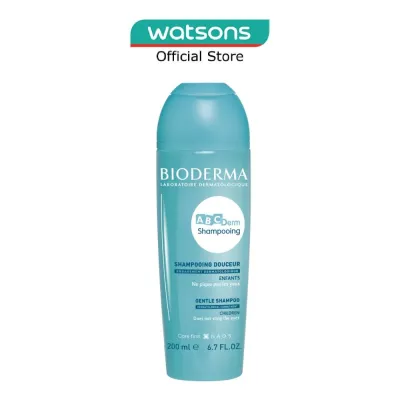
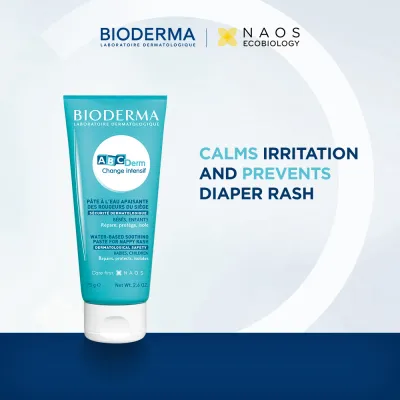
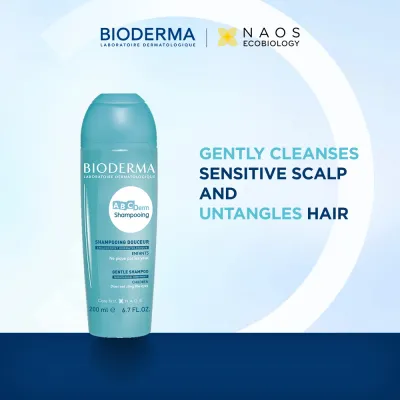
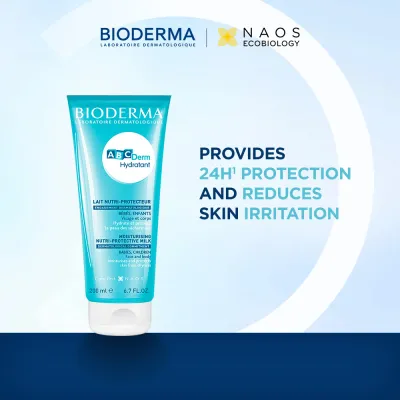
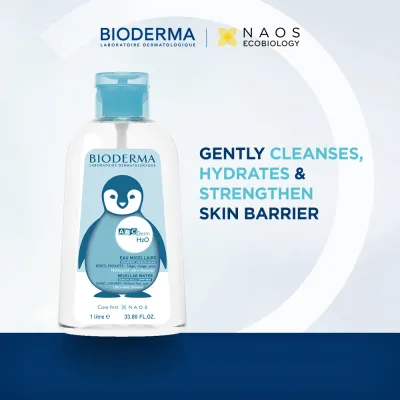
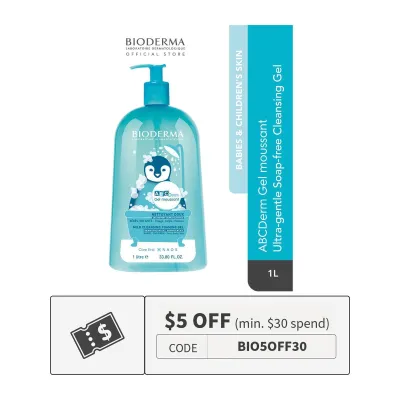
Prices are valid at publication and may change. Please refer to the product page for the latest price.
Understanding HSA Regulations for Baby Bath Products in Singapore
In Singapore, baby washes, shampoos, and lotions fall under the regulatory umbrella of cosmetic products. The Health Sciences Authority (HSA) is the governing body responsible for overseeing these items, ensuring they meet safety standards before they reach consumers.
It is important to clarify a common misconception: the HSA does not “approve” or “certify” cosmetic products before they are sold. Instead, the regulatory framework relies on a post-market notification system. Importers or local manufacturers must submit a cosmetic product notification to the HSA before placing any product on the Singapore market. This notification registers the product and holds the company accountable for its safety and compliance.
Parents can independently verify whether a specific baby product has been notified by searching the HSA’s online Cosmetic Products Notification database. This step allows you to confirm that the product has been officially declared by a local importer or distributor, reducing the risk of purchasing counterfeit or unregulated parallel imports. Parallel imports, which are common on online marketplaces, might bypass local notification channels and may not adhere to the same storage and transport safety standards as authorized stock.
An HSA cosmetic notification ensures that the product complies with the ASEAN Cosmetic Directive (ACD). This directive sets strict safety parameters, including limits on heavy metals like lead and mercury, microbiological purity standards, and a comprehensive list of prohibited or restricted ingredients that are deemed unsafe for cosmetic use.
However, while HSA compliance ensures a baseline of regulatory safety, it does not act as a medical endorsement or a guarantee of individual skin compatibility. A product can be fully compliant with HSA regulations and still cause an adverse reaction if your baby has a specific sensitivity or allergy to an ingredient.
Is Bioderma ABCDerm Formulated for Newborn Skin?
A newborn’s skin is vastly different from adult skin, possessing unique physiological characteristics that require specialized care. At birth, the stratum corneum—the outermost layer of the skin—is significantly thinner and more fragile. This makes infant skin highly permeable, meaning topical substances are absorbed more rapidly and deeply into the bloodstream.

Additionally, a newborn’s skin has a higher surface pH and is still developing its protective acid mantle and microbiome. The acid mantle is a fine, slightly acidic film on the surface of the skin that acts as a barrier against bacteria, viruses, and other potential contaminants. This delicate balance makes the skin highly susceptible to dryness, environmental irritants, and pathogenic microbes. Consequently, standard adult soaps and highly fragranced products can easily disrupt this fragile ecosystem.
The Bioderma ABCDerm range is specifically developed in accordance with pediatric dermatological principles to address these vulnerabilities. Typical formulations within this line focus on maintaining the skin’s natural barrier by utilizing soap-free cleansing bases, physiological pH-balanced formulas, and extremely mild surfactants. These design choices aim to cleanse the skin without stripping away essential lipids.
However, parents must learn to read product labels carefully to distinguish between products marketed generally for “babies” or “children” and those explicitly indicated for “newborns” or “from birth.” Some products in a pediatric line may be formulated for older infants or toddlers and may contain mild fragrances or ingredients that are not ideal for the immediate neonatal period.
Always cross-reference the specific product’s ingredient list and the manufacturer’s age recommendations before use. Even within a trusted brand like Bioderma, different products have distinct formulations. Checking the physical packaging of the bottle purchased in Singapore is crucial, as global formulations can sometimes vary by region.
Potential Skin Reactions and Side Effects to Monitor
Even when using highly regarded, dermatologically tested products like Bioderma ABCDerm, the risk of skin reactions is never entirely eliminated. An infant’s immune system is highly reactive, and their skin barrier is easily provoked. Parents should actively monitor for signs of contact dermatitis or product intolerance during and after bath time.
It is important to distinguish between normal newborn skin peeling and an adverse product reaction. In the first few weeks of life, many babies experience a natural shedding of their outer skin layer, which is entirely harmless and requires no treatment. In contrast, an adverse reaction or contact dermatitis typically presents as persistent redness, rough or dry patches, flaking, or raised red bumps resembling hives. Additionally, if your baby becomes unusually fussy, cries, or shows signs of discomfort during or immediately after a bath, it could indicate a burning or itching sensation caused by a product.
It is vital to understand that terms like “hypoallergenic” and “dermatologically tested” minimize the risk of reactions but do not guarantee a zero-allergy outcome. These labels indicate that the product has been formulated to exclude common allergens and has undergone testing under dermatological supervision, but individual immune responses and sensitivities can still vary.
Eye and mucous membrane irritation is another area of concern. While many baby washes are marketed as “tear-free” or “does not sting eyes,” these formulations can still cause mild discomfort if they accumulate in the eyes. Always keep cleansing products away from the immediate eye area, and if accidental exposure occurs, gently rinse the eyes with clean, lukewarm water.
Furthermore, the risk of over-washing is a significant factor in skin irritation. Even the gentlest, HSA-compliant cleanser can compromise the skin barrier if used too frequently or in excessive amounts. Washing a newborn too often strips away the natural sebum and lipids that protect their skin, leading to chronic dryness and increased susceptibility to external irritants regardless of the product used.
Safe Usage Guidelines and When to Stop
To safely introduce any new bath product, including those from the Bioderma ABCDerm line, performing a standard patch test is a highly recommended precautionary step. Apply a small amount of the diluted product to a discreet area of your baby’s skin, such as the inner arm or the side of the thigh, and rinse it off. Monitor this specific spot for 24 hours for any signs of redness, swelling, or irritation before proceeding with full-body application.
When bathing your newborn, practice low-risk techniques to safeguard their skin barrier. Keep the bath water lukewarm, ideally between 37°C and 38°C, and limit the bath duration to 5 to 10 minutes to prevent the skin from pruning and drying out. Use the absolute minimum amount of cleanser necessary—often a single pump or a pea-sized amount is sufficient for a newborn’s small body.
Avoid using rough washcloths or scrubbing brushes on a newborn’s skin. The mechanical friction of scrubbing can cause micro-tears in the fragile stratum corneum, compromising the skin barrier and allowing irritants or bacteria to penetrate. Instead, use your clean hands or a very soft, clean cotton cloth to gently smooth the water and cleanser over their skin.
Establish clear stopping conditions to protect your baby’s health. If you observe any persistent rashes, weeping skin, peeling, blistering, or signs of a secondary infection such as pus or extreme tenderness, immediately rinse off the product with plain water and discontinue use. Under these conditions, consult a pediatrician or pediatric dermatologist promptly to receive a proper diagnosis.
It is also worth noting that for the first few weeks of life, many leading pediatric guidelines suggest using only plain water for newborn baths. Unless a specific cleanser is medically indicated or your baby is visibly soiled, water-only baths are often the safest way to allow the natural skin barrier to mature without external interference.
Frequently Asked Questions (FAQ)
Can I use Bioderma ABCDerm on a premature baby?
You should exercise extreme caution, as premature infant skin is exceptionally fragile, highly immature, and lacks a fully developed barrier. Their skin is significantly more permeable than that of full-term newborns, making them highly susceptible to systemic absorption of topical ingredients and chemical irritation. Always consult a neonatologist or pediatrician before applying any commercial wash or skincare product to a premature baby. In neonatal intensive care settings, water-only baths or specific medical-grade emollients are typically preferred until the skin barrier has matured sufficiently.
Does the ABCDerm range contain harsh preservatives like parabens?
To verify the presence of preservatives, you must read the International Nomenclature of Cosmetic Ingredients (INCI) list printed on the physical product packaging. Modern pediatric dermatological brands, including Bioderma, generally formulate their newborn-specific lines without parabens, phenoxyethanol, or formaldehyde releasers, which are common points of concern for parents. However, because formulations can change or vary by region, it is essential to inspect the exact ingredient list on the physical bottle purchased in Singapore to ensure it meets your safety standards.
Community discussion
Share your experience or ask a question. Comments are reviewed before publication.