
When preparing a nursery or bedroom for a baby, maintaining a clean and hygienic environment is a top priority for parents. Many families turn to specialized sanitizing products like BioCair spray to help eliminate airborne pathogens and disinfect surfaces. However, determining whether any disinfectant spray is truly safe to use around infants and young children requires a careful look at the product’s specific formulation, application instructions, and the unique respiratory needs of developing lungs.
Because infants spend a significant amount of time sleeping and playing in enclosed spaces, any airborne mist can have a direct impact on their health. While many modern sanitizers are marketed as gentle or baby-friendly, parents must still exercise caution and follow precise protocols. Understanding how to evaluate these products ensures you can maintain a hygienic home without compromising your child’s respiratory comfort.
Understanding Disinfectant Safety in Enclosed Baby Spaces
Infants and toddlers possess highly sensitive respiratory systems that are still developing. Their airways are narrower than those of adults, and they breathe at a much faster rate, meaning they inhale more air—and any suspended particles—relative to their body weight. This physiological difference makes them particularly vulnerable to airborne irritants, fine aerosols, and volatile organic compounds (VOCs) commonly found in household cleaning agents. When a spray is released into an enclosed room, the fine mist can linger in the air, potentially irritating a baby’s delicate nasal passages and bronchial tubes.
Products mentioned in this guide
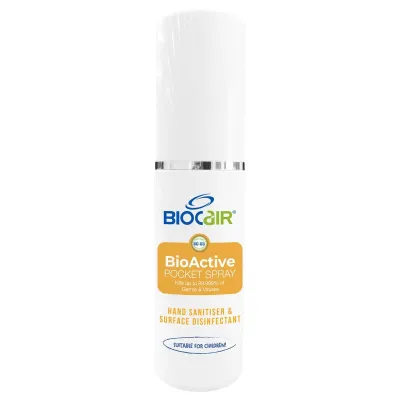
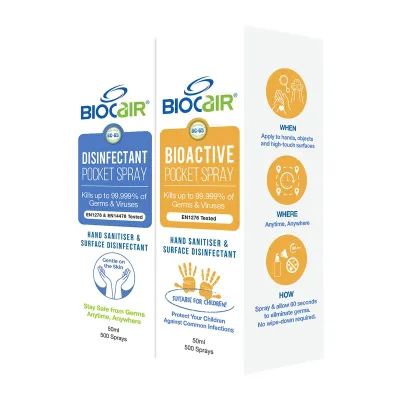
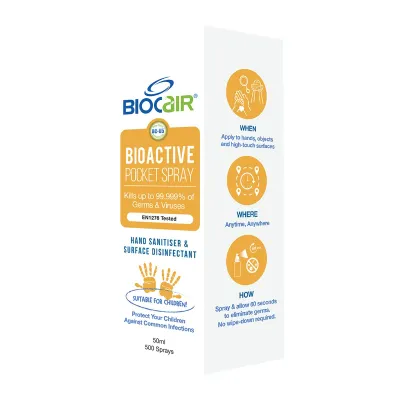
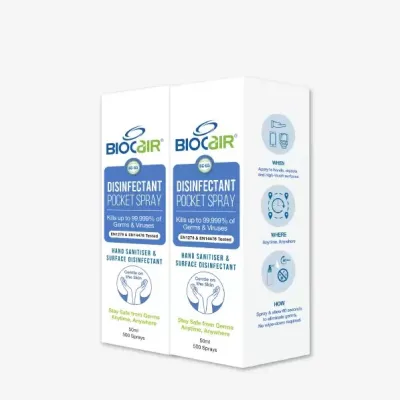
![[2 Pack] BioCair Anti-HFMD Sanitizer Spray 50ml READY STOCK. Exp: 07/27](https://img.lazcdn.com/g/p/42c6e31342819d92ea47b81638d56ac3.png_400x400q80.png_.webp)
Prices are valid at publication and may change. Please refer to the product page for the latest price.
It is also essential to distinguish between different types of household sprays, as their dispersion patterns and intended uses vary significantly. Surface sanitizers are formulated to be sprayed directly onto non-porous materials to kill bacteria and viruses, requiring a specific contact time before drying. Air purifying sprays, on the other hand, are designed to mist into the air to target airborne contaminants, meaning the droplets remain suspended for longer periods. Fabric refreshers are meant to penetrate soft surfaces like carpets and curtains. Understanding these distinctions helps parents realize that an air-dispersed mist poses a much higher inhalation risk to a baby than a targeted surface wipe.
When evaluating any sanitizing product for nursery use, the first line of defense is reading the standard warning labels. Even products marketed with gentle branding often carry precautionary statements such as “keep out of reach of children” or “use only in well-ventilated areas.” These warnings are not merely legal formalities; they indicate that the product, while effective for its intended purpose, requires specific handling to prevent accidental exposure. In typical apartments where bedrooms are often compact and air-conditioned, air circulation can be limited, making these warning labels even more critical to follow.
How to Check BioCair Spray Labels and Ingredients
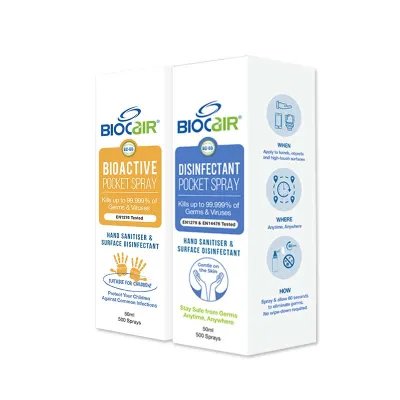
To determine the safety profile of BioCair spray, parents must look directly at the product packaging to identify its active ingredients. Many sanitizers in this category utilize formulations containing hypochlorous acid (HOCl) or other chlorine-based compounds, which are often selected for their efficacy against pathogens and low residual toxicity. However, you should never assume a product’s safety based on its brand name alone. Locate the active ingredient list on the label and cross-reference it with guidelines from recognized pediatric or environmental health organizations to verify its suitability for environments with young children.

Beyond the retail label, a highly reliable resource for safety verification is the product’s Safety Data Sheet (SDS), which manufacturers typically make available online. The SDS provides detailed technical information that goes far beyond standard packaging descriptions. When reviewing the SDS for BioCair or any nursery spray, look specifically for Section 2 (Hazards Identification) and Section 11 (Toxicological Information). These sections will outline whether the formula is classified as an eye irritant, skin sensitizer, or inhalation hazard, and will state if there are any documented age restrictions or specific toxicity thresholds.
Parents should also learn to interpret standard hazard symbols and signal words on the packaging. Signal words like “Caution” indicate a lower level of risk, while “Warning” or “Danger” signal more severe hazards. Pay close attention to the manufacturer’s first-aid instructions, which detail what to do in case of accidental eye contact, skin exposure, or ingestion. If the label lacks clear ingredient disclosure or safety warnings, it is best to contact the manufacturer directly or consult a healthcare professional before introducing the product into your baby’s sleeping area.
Safe Application Practices for Nurseries and Bedrooms
If you verify that the manufacturer’s label explicitly permits the use of the spray in spaces occupied by children, you must still follow strict application protocols to minimize any potential risks. Proper ventilation is the most critical factor when using any aerosol or misting product. In humid climates, nurseries are frequently kept closed with air conditioning running, which can trap airborne particles. Before spraying, open all windows and doors to establish active cross-ventilation, allowing fresh air to circulate and clear any lingering mist from the room.
Under no circumstances should a baby or toddler remain in the room while a disinfectant spray is being applied. Always remove your child, along with any pets, from the bedroom before you begin spraying. Once the application is complete, keep the room vacant and well-ventilated. Wait until all treated surfaces are completely dry to the touch and any airborne mist has fully settled or dispersed before allowing your child to re-enter the space. This waiting period helps ensure that your baby does not inhale active chemical droplets or come into direct contact with wet residues.
Additionally, avoid spraying disinfectants directly onto items that your baby frequently touches, holds, or places in their mouth. This includes toys, crib rails, pacifiers, and bedding. Even if a product is labeled as non-toxic, the ingestion of dried chemical residues from mouthed objects can still cause mild digestive or localized irritation. If you must sanitize these high-contact items, ensure you follow up by rinsing them thoroughly with clean, potable water, or opt for safer, non-chemical cleaning methods instead.
When to Stop Use and Seek Professional Advice
Even when you follow all safety guidelines, some infants may possess unique sensitivities or underlying respiratory conditions, such as infant asthma or eczema, that make them reactive to sanitizing sprays. Parents must remain vigilant and monitor their children closely for any signs of discomfort. Stop using the product immediately if you observe adverse reactions such as coughing, wheezing, shortness of breath, rapid breathing, watery eyes, nasal congestion, or unexplained skin rashes after the spray has been used in the home.
If your child shows signs of sensitivity, or if you prefer to eliminate all potential chemical risks from the nursery, consider switching to alternative, low-risk cleaning methods. Plain soap and warm water remain highly effective for removing dirt and microbes from household surfaces. For deeper sanitization of toys and hard surfaces, steam cleaning utilizes high-temperature water vapor to sanitize without leaving any chemical residues behind. Microfiber cloths dampened with water can also physically remove a significant portion of surface bacteria without the need for chemical agents.
Knowing when to seek professional medical advice is crucial for safeguarding your child’s health. If your baby experiences persistent respiratory symptoms, severe skin irritation, or if you suspect they have accidentally ingested or suffered direct eye contact with a concentrated disinfectant, consult a pediatrician immediately. When visiting the clinic or emergency room, always bring the product bottle or a printed copy of the Safety Data Sheet with you. This allows the healthcare provider to identify the exact active ingredients and administer the correct treatment promptly.
Frequently Asked Questions (FAQ)
Can I spray BioCair directly on my baby's toys or crib?
You should rely strictly on the manufacturer’s instructions regarding food-contact or mouth-contact surfaces before applying any spray to toys or cribs. If the label does not explicitly state that the product is safe for mouthed objects without rinsing, always rinse the toy or crib rails thoroughly with clean water after the recommended contact time. Alternatively, use dedicated baby-safe soap and warm water to clean these high-contact items, minimizing any risk of chemical ingestion.
What should I do if my toddler accidentally inhales the spray?
If your toddler accidentally inhales the spray and begins to cough or show discomfort, move them to fresh air immediately. Monitor their breathing closely in a well-ventilated space. If they experience persistent coughing, wheezing, shortness of breath, or visible distress, refer to the product’s Safety Data Sheet first-aid section and contact local emergency medical services or a healthcare professional immediately for guidance.
Community discussion
Share your experience or ask a question. Comments are reviewed before publication.