
Parents in Singapore frequently seek effective sanitisation solutions to protect their little ones from common childhood illnesses like Hand, Foot, and Mouth Disease (HFMD) or seasonal flus. In this search, many encounter Biocair, a brand widely marketed for its baby-safe formulations. However, determining whether any disinfectant is truly safe to use around infants and toddlers requires a closer look at the specific product variant, its active ingredients, and how strictly you follow the manufacturer’s directions.
No household disinfectant is completely risk-free for young children without proper usage, adequate ventilation, and appropriate surface drying times. While some formulations are designed to be gentler than traditional chlorine bleach or harsh alcohol-based cleaners, they still contain active chemical agents intended to eliminate pathogens. Consequently, parents must treat all sanitising products with a high degree of caution, verifying their suitability for environments where babies crawl, play, and naturally explore their surroundings with their mouths.
Your child’s age, developmental stage, and physical mobility dictate how you should approach home disinfection. A newborn sleeping in a cot faces different environmental exposure risks than a crawling nine-month-old or a toddler who actively touches every low surface. To ensure a safe home environment, you must evaluate how these products interact with your child’s developing body and implement strict protocols during application.
Products mentioned in this guide
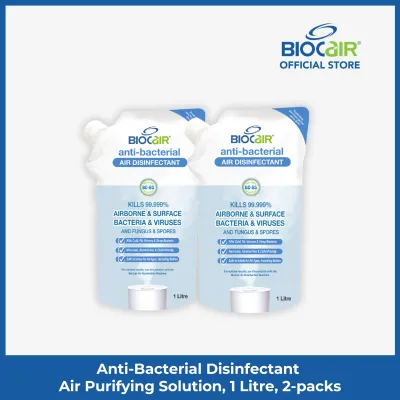
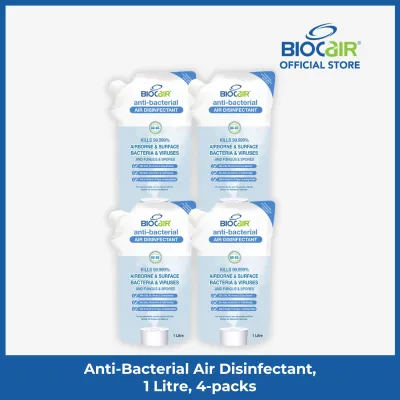
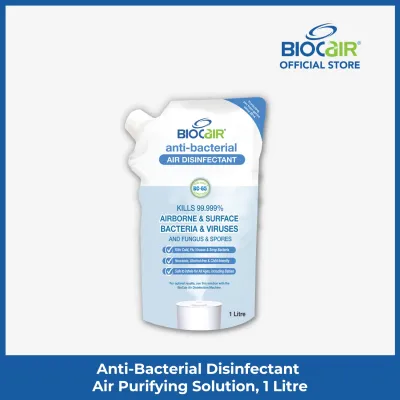
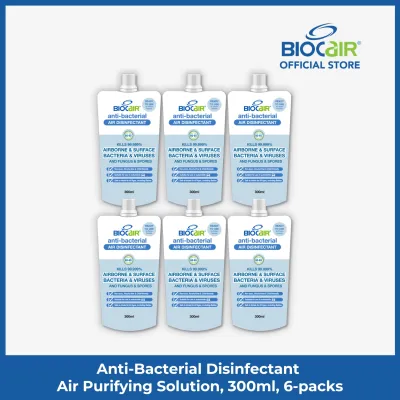
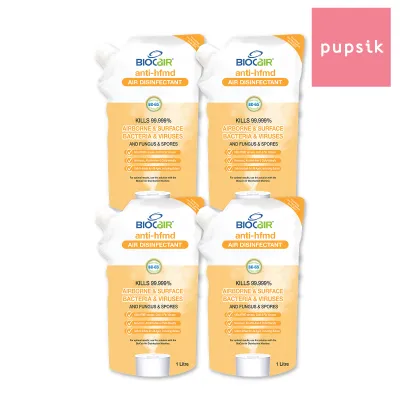
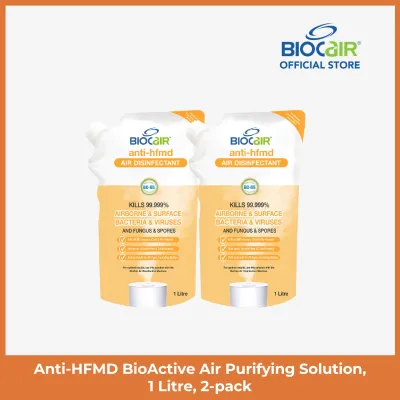
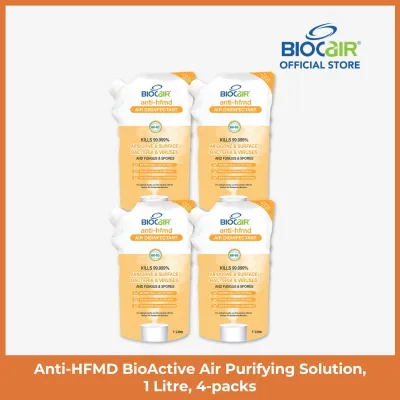

Prices are valid at publication and may change. Please refer to the product page for the latest price.
Why Babies and Toddlers Need Extra Protection from Disinfectants
Infants and young children are not merely small adults; their physiological systems are still developing, making them significantly more vulnerable to chemical exposures in the home. Understanding these unique physiological and behavioral differences is essential for managing the risks associated with household cleaning and disinfection.
Respiratory Sensitivity
Developing lungs are highly sensitive to airborne irritants, aerosols, and fine mists. Babies have a much higher breathing rate relative to their body weight than adults, meaning they inhale a greater volume of air—and any suspended chemical droplets—over the same period. Spraying disinfectants or running aerial misting devices in close proximity to an infant can easily irritate their delicate airways, potentially triggering coughing, wheezing, or respiratory distress, particularly in children with a family history of asthma or allergies.
Skin Absorption and Irritation
An infant’s skin barrier is thinner, more fragile, and more permeable than adult skin. Because their skin absorbs topically applied substances more readily, any chemical residues left behind on disinfected surfaces can easily penetrate their protective barrier. This increased permeability elevates the risk of contact dermatitis, localized redness, or allergic reactions when a baby sits, crawls, or rolls on surfaces that have been treated with disinfectants and not allowed to dry or rinse properly.
Hand-to-Mouth Behavior
During the first few years of life, children explore their world primarily through touch and taste. This natural hand-to-mouth behavior means that whatever is on the floor, the play mat, the high chair tray, or the cot rails will inevitably end up in your baby’s mouth. If a surface is coated with active disinfectant residues, your child faces a direct risk of accidental ingestion, making it vital to scrutinise the safety of any product applied to their immediate play and feeding areas.
What to Check on the Label Before Using Biocair Near Kids
Before introducing any Biocair product into a home with young children, parents should carefully examine the product packaging and manufacturer documentation. Do not rely solely on front-of-pack marketing claims; instead, look for specific technical details that confirm how the product should be handled.

Active Ingredients and Concentration
Turn the bottle over to locate the active ingredients list and their exact concentrations. Biocair products are commonly known to utilise formulations containing hypochlorous acid (HOCl). While HOCl is a weak acid that is naturally produced by the human body’s white blood cells to fight infection, its safety and efficacy in commercial products depend entirely on the concentration, pH stability, and the presence of any secondary additives. Verify that the product does not contain hidden fragrances, alcohol, or surfactants that could irritate sensitive skin or airways.
Usage and Rinsing Instructions
Carefully read the manufacturer’s directions regarding rinsing. Some disinfectants require a thorough rinse with potable water after the contact time has elapsed, particularly when applied to food-contact surfaces, high chair trays, or toys that children are likely to place in their mouths. If the label specifies that rinsing is required, do not skip this step, as it is your primary defense against accidental chemical ingestion.
Ventilation and Contact Time
Check the label for the required “wet contact time”—the duration the surface must remain visibly wet with the solution to successfully eliminate targeted pathogens. Additionally, look for specific warnings regarding room ventilation. If you are using a product designed for aerial misting or space disinfection, the manufacturer’s instructions will outline whether the room must be completely empty of people and pets during operation and how long you must wait before re-entering the space.
Regulatory Approvals
In Singapore, household disinfectants are subject to regulatory oversight. Verify whether the specific product or its active formulation is registered or listed with the National Environment Agency (NEA) for household use. Checking for official listings ensures that the product’s efficacy and safety claims have been evaluated against local standards, providing an extra layer of reassurance beyond the manufacturer’s own marketing materials.
Best Practices for Disinfecting Safely in a Home with Infants
To minimise chemical exposure risks while maintaining a hygienic home, parents should establish clear, safe protocols for applying any disinfectant product around young children.
Isolation and Drying
Never spray or mist disinfectants in the same room where your baby is playing or resting. Always move your child to a separate, closed room before you begin the cleaning process. Once the disinfectant has been applied, keep the treated area completely off-limits until all surfaces are dry to the touch and any airborne droplets have fully settled. This simple step prevents both direct inhalation of wet aerosols and immediate skin contact with wet chemical residues.
Adequate Ventilation
Singapore’s warm, humid climate often leads families to keep windows closed and air conditioning running. However, closed environments can trap airborne chemical particles and prolong drying times. Always open windows and doors to establish cross-ventilation during and after using any disinfectant spray or misting machine. If you live in an apartment or HDB flat, turning on kitchen and bathroom exhaust fans can help draw fresh air through the living spaces, dispersing lingering vapors more rapidly.
Targeted Application
Avoid widespread, indiscriminate spraying of your home. Instead, target high-touch surfaces that are actual vectors for germ transmission, such as external doorknobs, light switches, and adult mobile phones. For items that frequently go directly into your baby’s mouth—such as pacifiers, teething rings, and feeding utensils—avoid chemical disinfectants entirely. Instead, rely on traditional, low-risk sanitisation methods such as washing with mild, baby-safe dish soap and warm water, or using a dedicated steam steriliser.
Secure Storage
Treat all sanitising products, including those marketed as baby-friendly, as potential household hazards. Store them in their original containers with the manufacturer’s safety labels intact. Keep these bottles in a locked cupboard or on a high shelf that is completely out of reach and sight of toddlers. Never decant disinfectants into unmarked spray bottles or food containers, as this significantly increases the risk of accidental poisoning.
What to Do in Case of Accidental Exposure
Despite your best efforts, accidental exposures can happen. Knowing how to react quickly and calmly can prevent minor incidents from escalating into serious medical emergencies.
Skin and Eye Contact
If a disinfectant splashes into your child’s eyes, immediately flush them gently with a steady stream of clean, lukewarm water for at least 15 minutes, holding the eyelids open. Do not allow your child to rub their eyes, as this can worsen irritation. For skin exposure that results in redness or itching, wash the area thoroughly with mild soap and water, and remove any contaminated clothing.
Inhalation
If your child inhales spray mist and begins to cough, wheeze, or experience shortness of breath, immediately carry them into fresh air. Keep them in an upright, comfortable position to help them breathe. If the coughing persists or if they show signs of respiratory distress, seek professional medical evaluation immediately.
Ingestion
If you suspect your child has swallowed any amount of disinfectant, do not induce vomiting unless explicitly directed to do so by a medical professional, as vomiting can cause the chemical to enter the lungs or cause secondary burns to the esophagus. Wipe your child’s mouth with a damp cloth and give them a small sip of water if they are conscious and able to swallow. Contact your pediatrician, a local clinic, or emergency services immediately, keeping the product bottle nearby so you can read the exact ingredients and concentration to the medical team.
When to Seek Emergency Care
Go to the nearest emergency department or call an ambulance immediately if your child exhibits any of the following red-flag symptoms after exposure:
- Difficulty breathing, shallow breathing, or rapid chest movement
- Persistent, uncontrollable coughing or wheezing
- Swelling of the lips, tongue, face, or throat
- Inability to swallow, excessive drooling, or repeated vomiting
- Unusual lethargy, confusion, or loss of consciousness
- Visible chemical burns or severe redness inside the mouth or on the skin
Frequently Asked Questions (FAQ)
Can I spray Biocair directly on my baby's toys?
You should avoid spraying any disinfectant directly on toys that your baby is likely to place in their mouth, unless the specific product label explicitly states it is food-contact safe and requires no rinsing. The safest approach for cleaning mouthable toys is to wash them thoroughly with mild baby-safe soap and warm water. If you do choose to use a disinfectant on hard toys, always rinse them thoroughly with clean, potable water and allow them to dry completely before returning them to your child.
Is it safe to use disinfectant sprays in the nursery while the baby is sleeping?
No, you should never use disinfectant sprays, aerosols, or misting devices in a nursery while a baby is sleeping in the room. Sleeping infants cannot move away from airborne droplets, and their developing respiratory systems are highly susceptible to irritation from inhaled chemical mists. Only disinfect the nursery when it is completely unoccupied, and ensure the room is thoroughly ventilated and dry before placing your baby back in their cot.
Community discussion
Share your experience or ask a question. Comments are reviewed before publication.