
When preparing a nursery for a newborn or toddler, maintaining a clean and germ-free environment is a top priority for parents. Among the various hygiene products available on the market, Biocair air sanitizers have gained popularity, particularly in humid climates like Singapore where airborne pathogens and mold spores thrive. However, introducing any aerosolized substance into an infant’s sleeping space requires careful evaluation.
The safety of using Biocair or any chemical air sanitizer around babies depends on the specific device model, the exact formulation of the disinfectant solution, and the infant’s individual health profile. While these devices aim to reduce airborne pathogens, dispersing chemical aerosols into an enclosed nursery requires verifying ingredients, residue profiles, and pediatric guidelines. Parents should consult a pediatrician before using chemical dispersal devices in rooms where infants sleep, play, or spend extended periods.
How Biocair Air Sanitizers Work: Technology and Ingredients
To evaluate the safety of Biocair products, it is essential to understand how they function compared to traditional air-cleaning appliances. A fundamental difference exists between mechanical air purifiers and chemical air sanitizers. While air purifiers draw air through physical filters to trap particles, air sanitizers actively disperse chemical ingredients into the room to neutralize pathogens in the air and on surfaces.
Products mentioned in this guide
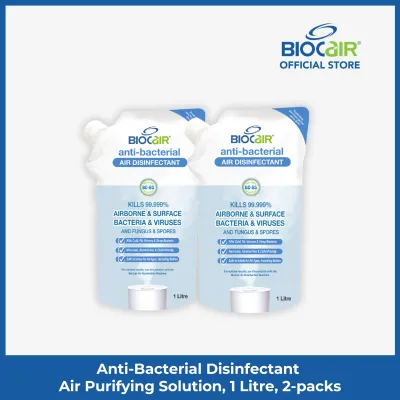
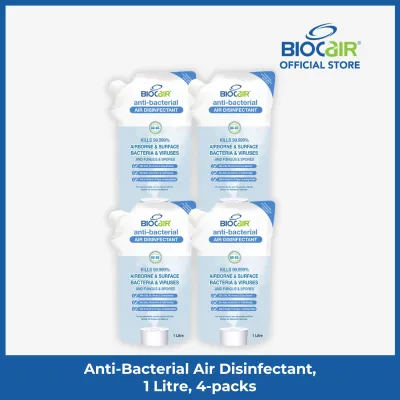
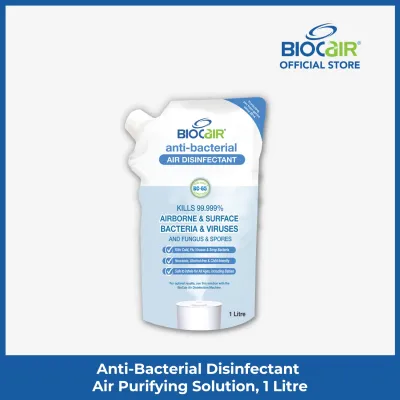
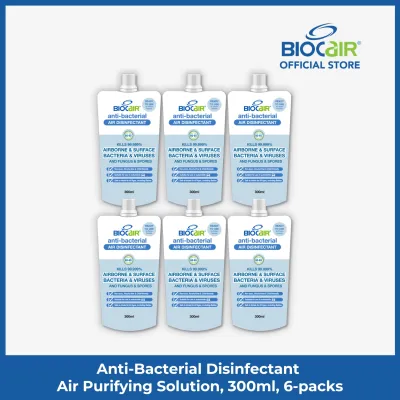
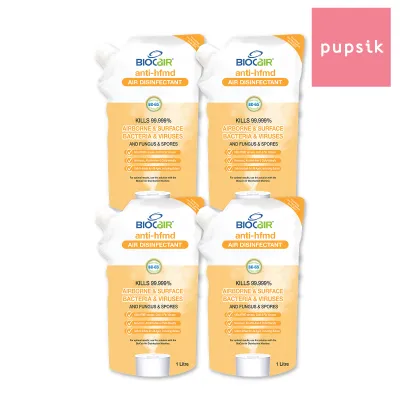
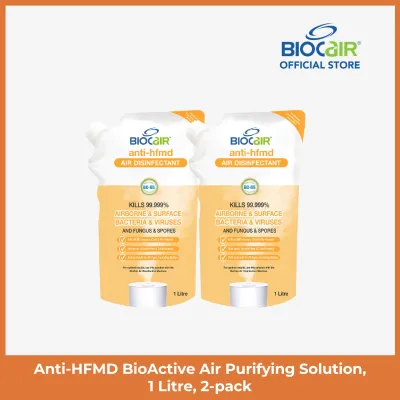
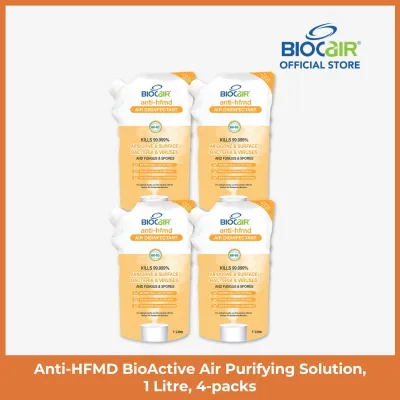
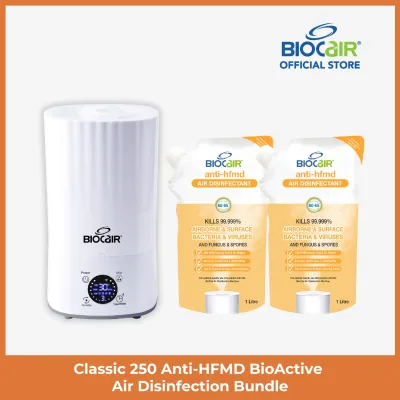
Prices are valid at publication and may change. Please refer to the product page for the latest price.
Most Biocair models utilize ultrasonic technology to convert a liquid disinfectant solution into a fine, dry mist. This mist consists of microscopic droplets designed to remain suspended in the air. Because these particles are small enough to float, they can also be inhaled deep into the respiratory tract. Parents must locate and read the Safety Data Sheet (SDS) or the product label for the exact disinfectant solution used in the machine.
Many air sanitizing formulations rely on active ingredients like hypochlorous acid (HOCl), a weak acid that acts as an oxidizing agent to target bacteria and viruses. Although marketing terms such as “baby-safe,” “natural,” or “non-toxic” are frequently used, parents must look beyond these labels. Evaluating the actual chemical concentration, the recommended exposure limits, and the potential effects of inhaling these specific compounds on a developing infant respiratory system is crucial before operating the device.
Critical Safety Checks Before Using in a Nursery
Before purchasing an air sanitizer or turning it on in a child’s room, parents should perform several rigorous verification checks to ensure the product meets established safety and environmental standards.

Certifications and Approvals
Parents should check for official registrations or reviews by local and international health authorities. In Singapore, household disinfectants and chemical sanitizers are monitored by the National Environment Agency (NEA). Verify whether the specific product or its active ingredients are listed on the NEA’s database of registered household disinfectants or compliant active substances. Do not rely solely on manufacturer claims of third-party laboratory testing; look for official regulatory clearances that validate both efficacy and inhalation safety.
Toxicity and Surface Residue
When an ultrasonic device disperses a fine mist, those chemical droplets eventually settle onto surfaces. In a nursery, this includes crib rails, play mats, changing tables, and toys. Because infants explore their environment by crawling and putting objects in their mouths, surface residue presents a direct route of ingestion. Check the manufacturer’s documentation to see if the solution leaves a persistent chemical residue and whether the dried residue is safe for direct skin contact and oral exposure.
Byproducts and Ozone
Some electronic air-cleaning technologies generate ozone or volatile organic compounds (VOCs) as a byproduct of their sanitizing process. Ozone is a known lung irritant that can exacerbate respiratory issues even in healthy adults. Parents must carefully review the technical specifications of the device to confirm that it is certified ozone-free and does not emit harmful secondary chemical byproducts during operation.
Potential Respiratory and Skin Risks for Babies
Infants and young children are not simply small adults; their physiological systems are still developing, making them uniquely vulnerable to environmental exposures.
Respiratory Sensitivity
An infant’s lungs undergo rapid growth and alveolar development throughout the first few years of life. Babies also have narrower airways and a significantly higher breathing rate relative to their body weight than adults. Consequently, they inhale a larger volume of air—and any suspended chemical aerosols—over a given period. Even low concentrations of airborne sanitizers that are completely imperceptible or harmless to an adult can irritate an infant’s sensitive airway linings.
Allergic and Irritant Reactions
Introducing aerosolized chemicals into a nursery can trigger reactive airway symptoms or skin sensitivities. Parents must closely monitor their children for any signs of irritation. Common symptoms of sensitivity to airborne irritants include:
- Persistent coughing or throat-clearing
- Frequent sneezing or nasal congestion
- Watery, red, or itchy eyes
- Wheezing or labored breathing
- Unexplained skin rashes or hives
If any of these signs appear, turn off the device immediately and move the child to a well-ventilated area with fresh air.
Ingestion and Contact Risks
Aside from direct inhalation, the physical settling of the sanitizer mist poses secondary exposure risks. When active sanitizing agents dry on plastic toys, silicone pacifiers, or fabric bedding, they can cause localized skin irritation upon contact. Furthermore, hand-to-mouth transfer can lead to the accidental ingestion of low-level chemical residues, which may disrupt a baby’s sensitive digestive system or oral microbiome.
Best Practices for Using Air Sanitizers Around Children
For parents who decide that the sanitizing benefits of the product outweigh the potential risks, implementing strict operational boundaries can help mitigate exposure.
Timing and Ventilation
Avoid running the air sanitizer continuously or while the baby is present in the room. The safest approach is to operate the device as a “shock treatment” when the nursery is completely unoccupied. Turn the machine on, close the doors and windows to let the mist sanitize the space, and then turn it off. Crucially, allow sufficient time for the mist to settle completely, and then thoroughly ventilate the room by opening windows or using a mechanical fan to bring in fresh air before letting the child re-enter.
Device Placement
Position the device on a stable, elevated surface entirely out of reach of children. Never place the air sanitizer inside or directly next to the crib, playpen, or changing table. Ensure the nozzle is directed away from areas where the baby sleeps, plays, or sits, preventing the concentrated mist plume from blowing directly into the child’s immediate breathing zone.
Maintenance and Hygiene
Ultrasonic humidifiers and misting devices require meticulous maintenance. If the water tank or nozzle is left damp, it can quickly become a breeding ground for mold, yeast, and bacteria. When the device is turned on, it will disperse these biological contaminants directly into the air. Clean and dry the water reservoir and misting nozzle regularly, strictly adhering to the manufacturer’s cleaning instructions and using safe, recommended descaling agents.
When to Stop
Establish a clear threshold for discontinuing use. If your child has a history of asthma, reactive airway disease, or sensitive skin conditions like eczema, consult your pediatrician before introducing any misting device. Stop using the air sanitizer immediately and seek professional medical advice if your child exhibits any signs of respiratory distress, persistent coughing, or skin irritation after the device has been operated in the home.
Safer Alternatives for Nursery Air Quality
If the potential risks of aerosolized chemical sanitizers cause concern, several highly effective, non-chemical methods can maintain excellent indoor air quality in a nursery.
True HEPA air purifiers are a widely recommended alternative. Unlike sanitizers, HEPA purifiers do not introduce any chemicals, gases, or moisture into the air. Instead, they use a powerful fan to draw air through a dense, physical web of microscopic fibers, trapping at least 99.97% of airborne particles as small as 0.3 microns, including dust, pollen, mold spores, pet dander, and many bacteria and viruses. This physical capture method provides continuous clean air without the risk of chemical inhalation or surface residue.
Additionally, basic environmental hygiene remains the foundation of a healthy nursery. Regularly opening windows to facilitate natural ventilation helps flush out indoor air pollutants and reduces carbon dioxide levels. In humid tropical environments, managing indoor humidity levels with a dehumidifier or air conditioner can prevent the growth of mold and dust mites. Combine these steps with routine surface cleaning using a damp microfiber cloth and mild, baby-safe soap to keep the nursery clean and safe without relying on airborne chemical sprays.
Frequently Asked Questions (FAQ)
Can I use Biocair disinfectant spray directly on baby toys and pacifiers?
You should avoid spraying chemical disinfectants directly on items that go into a baby’s mouth unless the product label explicitly states that it is food-contact safe and requires no rinsing. Even if a product is marketed as gentle, chemical residues can remain on the surface. The safest and most effective method for cleaning toys and pacifiers is to wash them thoroughly with warm water and a mild, baby-safe soap, followed by a complete rinse with clean water.
Is it safe to run the air sanitizer continuously while the baby is sleeping?
Running any chemical air sanitizer continuously in an enclosed room while an infant sleeps is not recommended. Prolonged exposure to aerosolized sanitizing agents in a closed space increases the risk of respiratory irritation and inhalation of chemical compounds during a period when the baby’s body is resting and developing. If you choose to use an air sanitizer, run it only when the room is unoccupied, and rely on passive ventilation or a True HEPA air purifier while your baby is sleeping.
Community discussion
Share your experience or ask a question. Comments are reviewed before publication.