
Evaluating the safety of any newborn bathing product requires looking beyond brand names to inspect specific formulations, age recommendations, and regulatory compliance. While Babyhood is a recognized name in baby care, no single brand can offer a universal safety guarantee for every infant. A newborn’s skin barrier is exceptionally delicate, meaning safety depends entirely on the specific product variant you choose, its ingredient profile, and how it aligns with local safety standards.
Before introducing any new bathing product to your newborn, you must take active steps to verify its suitability. This involves reading the packaging for explicit newborn age ratings, checking the complete ingredient list, and understanding how the product is regulated in Singapore. Taking a systematic approach to product verification helps protect your baby’s skin from unnecessary irritation.
Understanding Safety Regulations for Baby Bath Products in Singapore
In Singapore, baby skincare and bathing products are regulated under the cosmetic framework managed by the Health Sciences Authority (HSA). This framework aligns with the ASEAN Cosmetic Directive, which sets strict guidelines on what ingredients can be used, which substances are prohibited, and what maximum concentrations are permitted for specific preservatives and additives. These regional standards are designed to protect consumers, particularly vulnerable groups like infants, from known harmful chemicals.
Products mentioned in this guide
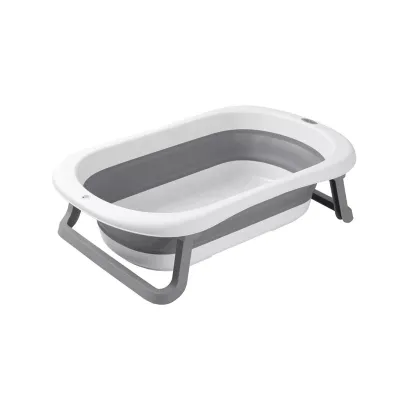
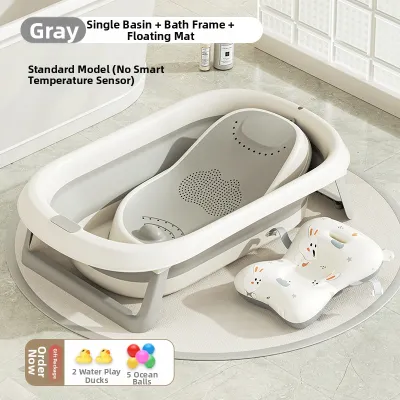
Prices are valid at publication and may change. Please refer to the product page for the latest price.
It is important to understand that the HSA operates a notification system rather than a pre-market approval system for cosmetic products. Before a baby wash or shampoo can be sold locally, the importer or manufacturer must submit a Cosmetic Product Notification to the HSA. This notification is a formal declaration that the product complies with all safety requirements and manufacturing standards, but it does not represent an official endorsement or clinical approval by the government agency.
Because a product notification focuses on regulatory compliance and ingredient safety limits, it cannot guarantee that a product will be completely free of allergic reactions for every individual baby. Every newborn has a unique skin profile, and even fully compliant, notified products can occasionally cause mild reactions. Therefore, regulatory notification serves as a baseline safety standard, while individual skin compatibility remains something parents must monitor closely.
How to Verify Babyhood Product Labels and Compliance
When inspecting a Babyhood bathing product, the product label is your primary source of safety information. Start by locating the full ingredient list, which should be presented using the International Nomenclature of Cosmetic Ingredients (INCI) format. This standardized naming system allows you to identify exactly what chemical and natural compounds are in the bottle. Additionally, ensure the packaging clearly displays the manufacturer or distributor details, the batch or lot number, and a clear expiry date or period-after-opening symbol.

Many baby products feature safety logos, dermatological testing claims, or organic certifications on their labels. To verify these claims, look for the names of the independent testing bodies or certifying organizations associated with the logos. Reputable certifications will often have traceable registration numbers or specific standards listed on their official websites, allowing you to confirm that the brand has actually undergone the claimed evaluations.
To verify the regulatory status of a specific baby wash in Singapore, you can use the official HSA online portal. The HSA maintains a public registry of notified cosmetic products where parents can search using the brand name or the specific product name. Finding the product in this database confirms that the distributor has successfully notified the authority and that the product is legally permitted for sale in the local market.
Evaluating Ingredients for Newborn Skin Sensitivity
Newborn skin is up to thirty percent thinner than adult skin, making it highly permeable and susceptible to dryness. When evaluating ingredient lists, you should actively avoid common irritants that can disrupt this fragile skin barrier. Strong synthetic fragrances, harsh sulfates such as Sodium Lauryl Sulfate (SLS), and certain strong preservatives like parabens or formaldehyde-releasers should be avoided in products intended for early infancy.
Instead, look for formulations that utilize exceptionally gentle, plant-derived surfactants and moisture-retaining agents. Ingredients such as coco-glucoside, decyl glucoside, and glycerin are widely recognized as mild cleansing agents that clean the skin without stripping away its natural lipids. Soothing additives like colloidal oatmeal or aloe vera can also help support the skin barrier, provided they are formulated correctly and free from irritating contaminants.
Parents should remain cautious of broad marketing terms like “hypoallergenic” or “fragrance-free” on product packaging. These terms are not tightly regulated by standardized global definitions and are often used to indicate that the product is formulated without common allergens. However, they do not offer an absolute guarantee against skin reactions, making it essential to read the actual ingredient list rather than relying solely on front-of-pack marketing claims.
Safe Introduction and Patch Testing Protocols
Even when a product is fully notified and formulated with gentle ingredients, you should always perform a patch test before using it for a full bath. To conduct a patch test, apply a tiny, pea-sized amount of the diluted bathing product to a small, clean area of your baby’s skin, such as the inner forearm or behind the ear. Leave the product on for the recommended application time, or rinse it off gently if it is a wash-off product, and keep the area clean.
Observe the test area closely over a twenty-four to forty-eight hour period for any signs of skin sensitivity. You are looking for visual indicators of irritation, which include localized redness, tiny raised bumps, dry or flaky patches, or signs of itching and discomfort. If the skin remains completely clear and normal throughout this observation window, the product is generally considered suitable for a broader application during bath time.
If you notice any adverse reactions during or after the patch test, you must stop using the product immediately. Wash the affected area gently with cool or lukewarm water to remove any remaining residue, and do not apply any other new skincare products to the irritated skin. If the redness persists, spreads, or causes your baby obvious distress, consult a pediatrician or a pediatric dermatologist for professional guidance.
Frequently Asked Questions (FAQ)
Is it safe to use regular body wash on a newborn in an emergency?
Using regular adult body wash on a newborn is not recommended, even in temporary situations. Adult formulations typically have a higher pH level and contain stronger surfactants designed to strip away heavier oils, which can severely dry out and damage a newborn’s delicate skin barrier. If you find yourself without a dedicated baby wash, the safest emergency alternative is to bathe your baby using only plain, lukewarm water, which is entirely sufficient for keeping a newborn clean.
What to do if a newborn develops a rash after using a new wash
If your baby develops a rash after bath time, immediately discontinue use of the suspected bathing product. Gently rinse your baby’s skin with plain, lukewarm water to ensure all soap residue is completely gone, and pat the skin dry with a soft, clean towel without rubbing. Monitor the rash closely; if you observe red-flag symptoms such as blistering, a rapidly spreading rash, skin peeling, or if your baby develops a fever or seems unusually fussy, seek prompt medical evaluation from a healthcare professional.
Are natural or organic baby washes automatically safer for newborns?
Natural or organic labels do not automatically guarantee that a product is safe or gentle for a newborn. Many natural ingredients, particularly essential oils, botanical extracts, and natural fragrances, contain complex organic compounds that can act as potent allergens or skin irritants for sensitive infants. A product’s safety depends on its overall formulation balance, the concentration of its ingredients, and rigorous dermatological safety testing, rather than simply whether the ingredients are sourced from nature.
Community discussion
Share your experience or ask a question. Comments are reviewed before publication.