
When infants and toddlers explore their world, they do so primarily with their mouths. This oral sensory phase is a vital part of cognitive and motor development, but it also means that every toy, teether, and rattle in their reach will inevitably end up coated in saliva. To keep these items clean, many parents turn to specialized products like babyganics toy cleaner. The core question remains: is this cleaner truly safe for objects that go directly into your baby’s mouth?
The direct answer is yes, Babyganics toy cleaner can be used safely on toys that babies mouth, but this safety is highly dependent on how you apply the product and manage its residue. While the formulation uses plant-derived ingredients designed to be milder than conventional household cleaners, no commercial cleaning solution is intended for direct ingestion. To ensure absolute safety, parents should always follow up the cleaning process with a thorough rinse using clean, potable water. This simple step removes any remaining surfactants and guarantees that your baby is not sucking on dried cleaning agents.
Understanding the balance between effective hygiene and chemical exposure is key to maintaining a healthy home. By learning how to evaluate ingredients, execute proper cleaning protocols, and recognize potential sensitivities, you can confidently keep your child’s toys clean without compromising their safety.
Products mentioned in this guide
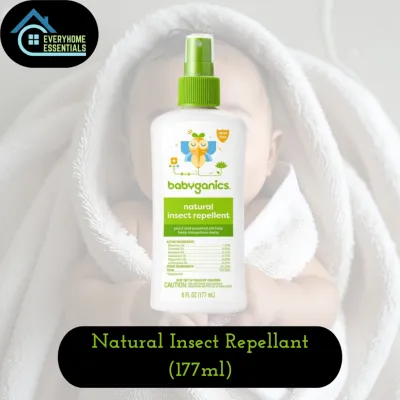
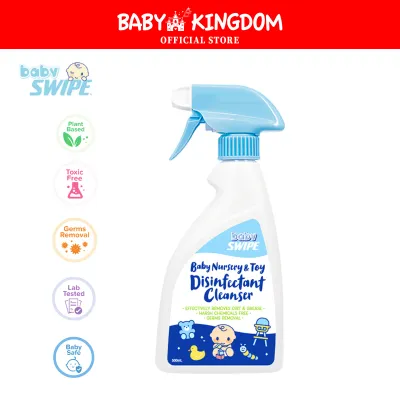
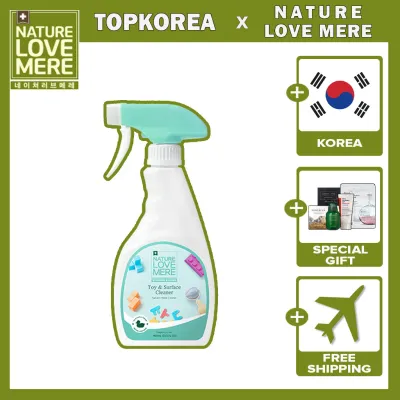
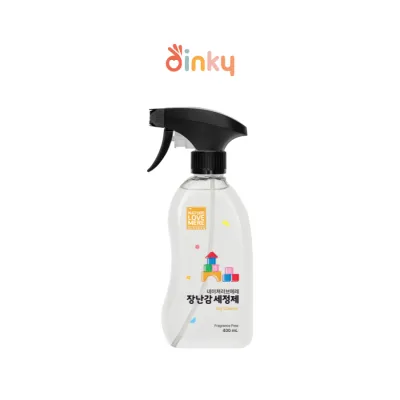
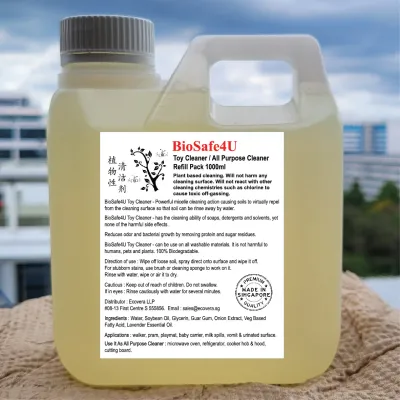
Prices are valid at publication and may change. Please refer to the product page for the latest price.
Evaluating Safety: What Makes a Toy Cleaner Safe for Mouthing?
To understand whether a toy cleaner is safe for a mouthing child, we must first distinguish between general household surface cleaners and those formulated specifically for baby items. Standard household disinfectants often rely on strong chemical agents, such as quaternary ammonium compounds, chlorine bleach, or heavy synthetic solvents. These chemicals are designed to sanitize hard, non-porous surfaces like kitchen countertops or bathroom tiles, where direct oral contact by a vulnerable infant is highly unlikely. In contrast, baby-specific toy cleaners are formulated with milder, plant-based surfactants that are selected to minimize aggressive chemical residues.
However, a common point of confusion for many parents is the marketing term “non-toxic.” In the regulatory world, “non-toxic” does not mean a substance is edible or safe to ingest in any quantity. Instead, it indicates that the product does not pose an immediate, acute poisoning hazard under normal or anticipated conditions of exposure. Because a baby chewing on a toy represents a direct route of oral exposure, even a “non-toxic” cleaner can cause mild stomach upset or taste aversion if a significant layer of dried residue is left behind. Therefore, residue management is the most critical factor in determining whether a cleaned toy is truly ready for play.
Before using any cleaning product on your infant’s toys, it is essential to look past the front-label marketing claims and consult the manufacturer’s specific usage instructions and age recommendations. Front labels are designed to catch your eye with appealing buzzwords, but the back label contains the actual guidelines for safe application. Safety is never just about the liquid inside the bottle; it is a combination of the product’s chemical formulation, your compliance with the correct application method, and proper post-cleaning handling.
In Singapore’s warm, tropical climate, toy hygiene requires constant vigilance. High humidity levels can accelerate the growth of microbes on damp surfaces, making regular cleaning necessary. However, because our living spaces are often enclosed and air-conditioned, minimizing the use of aerosolized chemicals and managing product residues becomes even more vital for maintaining indoor air quality and protecting your baby’s developing respiratory system.
Decoding the Label: Ingredients and Claims to Verify
When evaluating a bottle of Babyganics toy cleaner, the first step is to turn the packaging over and examine the ingredient list. Most baby-specific cleaning products rely on plant-based surfactants, such as decyl glucoside, lauryl glucoside, or coco-glucoside. These compounds are derived from natural sources like coconut oil, palm kernel oil, or corn starch. Their primary job is to lower the surface tension of water, allowing it to break down, lift, and wash away organic soils, saliva, grease, and dirt from the toy’s surface. While these surfactants are much gentler on skin and mucous membranes than synthetic detergents, they still leave a physical film if they are allowed to dry directly on the toy.

As a diligent caregiver, you should verify that any cleaner you use is explicitly free from harsh chemical categories. Check the label to ensure the formulation contains no chlorine bleach, ammonia, parabens, phthalates, synthetic dyes, or strong artificial fragrances. Bleach and ammonia can emit irritating fumes and cause chemical burns if not heavily diluted and rinsed. Parabens and phthalates are avoided due to ongoing concerns regarding endocrine disruption. Synthetic dyes and artificial fragrances serve no functional purpose in cleaning and are among the most common triggers for childhood skin allergies and respiratory irritation.
It is also important to understand how to interpret common marketing claims such as “pediatrician tested,” “allergy tested,” or “safe for toys.” These phrases indicate that the manufacturer has conducted dermatological or safety evaluations, but they do not represent standardized government certifications. To verify these claims, look for independent, third-party certifications on the packaging, such as the USDA Certified Biobased Product label, or search the manufacturer’s official website for safety data sheets (SDS). These documents provide detailed scientific information about the product’s chemical properties, potential hazards, and recommended safety precautions.
Finally, parents must cross-reference the ingredient list with their baby’s specific health profile. If your child has eczema, highly sensitive skin, or known food and environmental allergies, even natural, plant-derived ingredients can sometimes trigger a reactive flare-up. For instance, individuals with severe coconut allergies may occasionally react to coconut-derived surfactants if the ingredients are not highly refined. Carefully scanning the label allows you to identify these potential triggers before the product ever comes into contact with your baby’s toys.
Step-by-Step Guide to Cleaning Mouthed Toys Safely
To ensure your baby’s toys are clean and free of chemical residues, you must follow a structured, low-risk cleaning process. Before you begin, always check both the cleaner’s label instructions and the toy manufacturer’s care guidelines. If the instructions conflict—for example, if a toy manufacturer warns against using any liquid cleaners on a delicate material—do not proceed with the cleaner. Instead, consult the manufacturer or stick to basic dry-wiping methods.
1. The Application Method
Do not spray the toy cleaner directly onto the toy’s surface in a wide mist. Spraying liquids directly into the air aerosolizes the chemical particles, making it easy for both you and your baby to inhale them. This can irritate sensitive airways, particularly in small apartments with limited airflow. Instead, spray the cleaner directly onto a clean, lint-free microfiber cloth held close to the nozzle, and then use the damp cloth to wipe down the toy’s surfaces thoroughly.
2. Managing Dwell Time
Allow the cleaner to sit on the toy’s surface for the manufacturer’s recommended contact time, often referred to as the dwell time. This brief period allows the plant-based surfactants to break down dried saliva, milk spills, and sticky finger grime effectively. Be careful not to over-saturate the toy, especially if it is made of composite materials or has small openings where liquid can seep inside.
3. The Rinse Boundary
Even if a product is marketed as a “no-rinse” or “leave-on” formula, you should establish a strict rinse boundary for any item that your baby will put in their mouth. After the dwell time has elapsed, rinse the toy thoroughly under running, potable tap water. If the toy cannot be submerged, take a second clean cloth, saturate it with fresh water, wring it out well, and wipe the toy down multiple times to lift and remove any lingering surfactant residue. This step eliminates any bitter chemical taste and prevents your baby from ingesting dried cleaning agents.
4. Thorough Air-Drying
In Singapore’s humid climate, drying is one of the most critical steps in the hygiene process. Damp toys left in dark toy boxes or humid corners are highly susceptible to mold, mildew, and bacterial growth. After rinsing, wipe the toys dry with a clean towel and place them in a well-ventilated, bright area to air-dry completely. Pay special attention to the crevices of teething rings, the joints of plastic figures, and the interiors of hollow bath toys.
5. Verifying Material Compatibility
Before applying any cleaner, verify that it is compatible with the specific material of the toy. Food-grade silicone and hard ABS plastics are highly durable and generally tolerate mild cleaners well. However, natural rubber, latex, and painted wooden toys are more sensitive. Harsh exposure or prolonged moisture can degrade natural rubber, causing it to become sticky, or soften water-based paints, creating structural weaknesses and potential choking hazards.
Potential Risks, Sensitivities, and When to Stop Use
While plant-derived toy cleaners are formulated to minimize risks, babies have incredibly delicate biological systems, and adverse reactions can still occur. Parents should monitor their infants closely after introducing toys cleaned with any new product. One of the most common issues is skin and mucous membrane irritation. If your baby develops contact dermatitis, characterized by redness, dry patches, or small bumps around their mouth, hands, or cheeks, it may indicate a sensitivity to the cleaning product’s ingredients. Similarly, watch for signs of oral irritation, such as unexplained fussiness or rubbing of the gums immediately after mouthing a cleaned toy.
Respiratory sensitivities are another potential concern, particularly for infants with reactive airways, a family history of asthma, or sensitive nasal passages. Even if a toy cleaner uses natural essential oils or plant extracts for fragrance, these organic compounds can release volatile components into the air. If your baby begins to cough, sneeze, wheeze, or show signs of watery eyes while you are cleaning or when they are playing with recently cleaned toys, stop using the spray immediately and ventilate the room.
It is also helpful to understand the context of accidental ingestion. There is a vast difference in risk between a baby ingesting trace, properly rinsed residue from a toy and a baby consuming liquid directly from the bottle or swallowing pooled liquid trapped inside a hollow squeeze toy. Ingesting trace residues is highly unlikely to cause any clinical symptoms. However, if a baby swallows pooled, un-rinsed liquid or gets hold of the spray bottle, they may experience gastrointestinal upset, mild chemical irritation of the throat, or vomiting.
To keep your baby safe, establish clear, actionable boundaries for when to discontinue use and seek help:
- Stop Use Immediately if you observe any skin redness, persistent coughing, sneezing, watery eyes, or behavioral changes during or after toy play.
- Rinse the Affected Area with plenty of clean water if skin or eye contact causes visible discomfort.
- Consult Your Pediatrician if mild symptoms like skin redness or dry patches do not resolve within a day or two after stopping the product.
- Seek Emergency Medical Help or contact your local poison control center immediately if your baby swallows a significant amount of the liquid directly from the bottle, exhibits persistent vomiting, has difficulty breathing, or shows signs of lethargy.
Disclaimer: The information provided in this article is for educational and informational purposes only. It does not constitute medical advice and should not replace professional consultation with a qualified pediatrician or healthcare provider.
Everyday Alternatives and Toy Hygiene Best Practices
Maintaining a clean play environment does not require a constant supply of specialized commercial sprays. In fact, a simple mixture of warm water and a mild, baby-safe, fragrance-free dish soap serves as an exceptionally reliable and highly effective baseline alternative for daily toy cleaning. Soap and water physically lift dirt, oils, and pathogens from surfaces, allowing them to be washed away completely. This method is highly accessible, extremely low-risk, and cost-effective, typically costing only a fraction of specialized baby products.
To manage your cleaning routine effectively, it helps to distinguish between daily cleaning and periodic deep sanitizing. Daily cleaning focuses on removing visible dirt, food particles, and fresh saliva. For most hard plastic and silicone toys, a quick wipe with a damp cloth or a wash in warm, soapy water is more than sufficient. Periodic deep sanitizing, on the other hand, is reserved for times when a toy has been dropped in a public space, shared with a sick playmate, or after your own baby has recovered from an illness. Sanitizing may involve boiling silicone teethers for a few minutes or using a dedicated steam sterilizer, provided the toy manufacturer explicitly states that the material can withstand high heat.
To make your daily routine more manageable, consider implementing a toy rotation system. Instead of leaving dozens of toys scattered across the living room floor where they can gather dust and pet hair, keep only a small selection active at any given time. Store the remaining toys in closed containers. Rotating the toys every week not only keeps your baby engaged with “new” playthings but also significantly reduces your daily cleaning workload, giving you ample time to wash, rinse, and dry the inactive toys thoroughly.
Another practical strategy is to keep a dedicated “mouthing only” toy bin. This bin should be reserved for teething rings, silicone keys, and other items that your baby actively chews on. Because these items have the highest rate of oral contact, they should be separated from general playroom toys, such as large plastic trucks or building blocks, and cleaned on a much more frequent schedule. Keeping them separate prevents cross-contamination and ensures you can focus your deepest cleaning efforts where they matter most.
Frequently Asked Questions (FAQ)
Do I need to rinse Babyganics toy cleaner off before my baby chews the toy?
Yes, you should always rinse the toy thoroughly with clean, potable water before returning it to your baby. Even though the product is formulated with plant-derived ingredients and marketed as a convenient leave-on solution for general household surfaces, any item destined for a baby’s mouth should be rinsed. Rinsing removes surfactant residues, prevents your baby from ingesting trace chemicals, and eliminates any bitter taste that might cause oral discomfort.
Can I use this cleaner on wooden or electronic toys that cannot be submerged?
You should never submerge wooden or electronic toys in water, nor should you spray them directly with liquid cleaners, as moisture can warp wood and damage internal circuitry. First, check the toy manufacturer’s care instructions. If compatible, spray the cleaner onto a clean microfiber cloth, wring it out until it is barely damp, and wipe the toy’s surface. Follow immediately with a second cloth dampened only with clean water to wipe away residues, and dry the toy thoroughly with a clean towel.
Community discussion
Share your experience or ask a question. Comments are reviewed before publication.