
The Short Answer: Is Baby Sanitizing Spray Safe for Newborns?
When preparing a nursery, selecting a reliable baby spray for sanitizing surfaces and toys is a common step for parents. The short answer is yes, some sanitizing sprays are safe to use in a newborn’s environment, but this safety is strictly conditional. It depends entirely on the specific chemical formulation, the ingredients used, and how the product is applied.
Parents must understand the critical distinction between surface sanitizers, air-purifying sprays, and skin-safe mists. A surface sanitizer or toy spray should never be aerosolized directly around an infant or applied to a newborn’s skin. Even when a product is marketed with terms like “baby-safe,” “natural,” or “organic,” these labels are not strictly regulated guarantees. Manual ingredient verification is essential to ensure that what you bring into your home will not compromise your infant’s health.
Why Newborns Need Extra Protection from Spray Ingredients
Newborns are not just smaller versions of adults; their physiological systems are highly vulnerable to environmental chemicals. A newborn’s skin is significantly thinner and more permeable than adult skin. Because the epidermal barrier is still developing, topical chemicals and residues left on surfaces can be easily absorbed into their bloodstream, potentially causing systemic irritation or contact dermatitis.
Products mentioned in this guide
![[Bundle of 6] Mamas Choice All-Purpose Disinfectant Spray | Baby Safe Toy & Surface Sanitiser | Alcohol-Free](https://img.lazcdn.com/g/p/af732c50520136fe3c2c658d26281415.jpg_400x400q80.jpg_.webp)
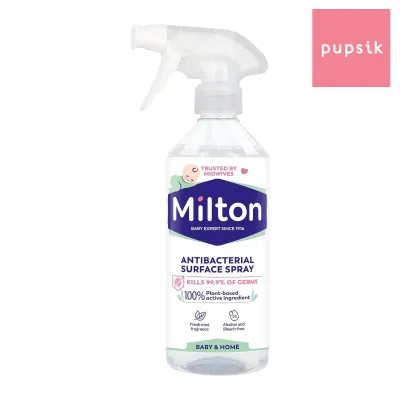
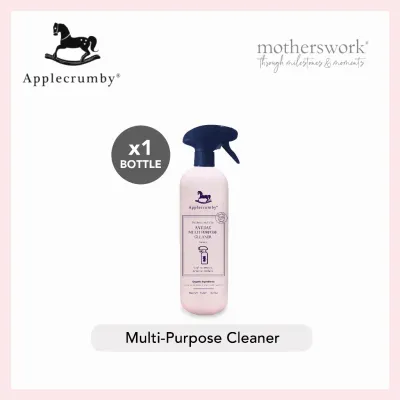
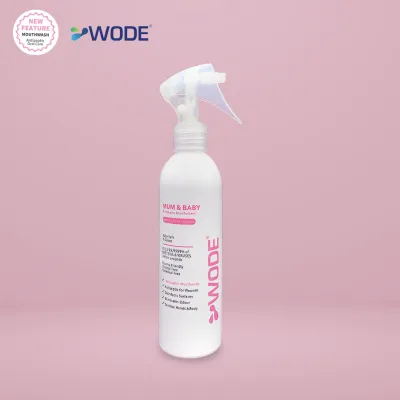
Prices are valid at publication and may change. Please refer to the product page for the latest price.

Their respiratory systems are equally delicate. A newborn’s lungs, airways, and immune defenses are in a state of rapid development. Aerosolized droplets, strong chemical fumes, and volatile organic compounds (VOCs) can easily irritate their narrow air passages. Inhalation of these substances can trigger immediate respiratory distress or contribute to long-term airway sensitivity.
Furthermore, infants interact with their environment through close physical contact. They spend the majority of their time resting on crib mattresses, playing on mats, or touching changing tables. Because newborns frequently place their hands and toys in their mouths, any chemical residue left behind by a sanitizing spray is highly likely to be ingested or absorbed through direct dermal contact.
Harmful Ingredients to Avoid on Product Labels
When evaluating a baby spray or sanitizing solution, parents must carefully examine the ingredient list. Many common household disinfectants contain active ingredients and additives that are far too harsh for a newborn’s environment.
Harsh Alcohols and Solvents
Many commercial sanitizers rely on high concentrations of ethanol or isopropyl alcohol to eliminate pathogens. While effective for adult use, high-alcohol formulations can cause severe skin drying, peeling, and irritation if a newborn comes into contact with the wet or recently treated surface. Additionally, spraying alcohol-based products in poorly ventilated nursery spaces releases concentrated vapors. Inhaling these fumes can irritate a newborn’s sensitive nasal passages and throat, leading to coughing or breathing discomfort.
Synthetic Fragrances and Phthalates
The terms “fragrance,” “parfum,” or “scent” on a product label often serve as proprietary covers for dozens of undisclosed synthetic chemicals. Among these hidden ingredients are phthalates, which are commonly used to make scents last longer. Synthetic fragrances are notorious triggers for allergic reactions, skin sensitization, and respiratory irritation in infants. Because a newborn’s sense of smell is highly sensitive and crucial for bonding, strong synthetic perfumes can also overwhelm and distress them.
Strong Disinfectants (Bleach and Quaternary Ammonium Compounds)
Heavy-duty household disinfectants often contain sodium hypochlorite (chlorine bleach) or quaternary ammonium compounds (commonly known as quats or QACs, such as benzalkonium chloride). These chemicals are highly effective at killing germs but carry significant risks for infants. Bleach fumes can severely irritate the eyes and respiratory tract, while quats are known skin irritants and respiratory sensitizers that have been linked to asthma-like symptoms. These ingredients should never be aerosolized or sprayed onto surfaces that a newborn will touch.
Essential Oils and "Natural" Irritants
There is a common misconception that plant-derived ingredients are inherently safe for newborns. However, concentrated essential oils—such as eucalyptus, peppermint, tea tree, and various citrus oils—contain naturally occurring volatile compounds that can be toxic to infants. If inhaled or absorbed through the skin, these highly concentrated botanical extracts can cause respiratory distress, skin irritation, or localized allergic reactions. Always check for age-appropriate labeling and verify that any botanical ingredients are properly diluted and deemed safe for infant environments by the manufacturer.
Safer Ingredients and Formulations to Look For
To maintain a clean nursery without exposing your newborn to unnecessary chemical risks, prioritize sanitizing products with mild, transparent formulations.
Select water-based formulations rather than solvent-heavy sprays. Water-based options minimize the release of volatile organic compounds (VOCs) into your home’s indoor air, helping to keep the nursery’s air quality clean and breathable.
Look for products that utilize mild, plant-derived surfactants (such as decyl glucoside or coco-glucoside) or food-grade active ingredients (such as highly diluted citric acid or lactic acid). These ingredients break down safely and are far less hazardous if a baby accidentally mouths a recently sanitized crib rail or toy.
Avoid products that hide behind vague descriptions like “active sanitizing complex” or “proprietary protective blend.” A reputable manufacturer of baby products should provide full ingredient transparency, listing every component clearly on the label so you can screen for potential allergens.
While third-party claims such as “pediatrician-tested” or “dermatologist-approved” are helpful filters during your search, they should not replace a manual ingredient check. Always read the full ingredient list to ensure the product is free from the specific irritants and chemicals your family wishes to avoid.
How to Use a Baby Spray Safely in the Nursery
Even when using a mild, carefully selected baby spray, the method of application is just as important as the ingredients themselves. Proper usage minimizes the risk of accidental inhalation or skin irritation.
- Targeted Application: Avoid spraying sanitizing products directly into the air or onto surfaces while in the nursery. Instead, spray the liquid directly onto a clean microfiber cloth or paper towel in a separate room, and then wipe down the target surface. This targeted application prevents chemical droplets from becoming airborne and settling in your baby's sleeping or playing areas.
- Ventilation and Timing: Always ensure proper air circulation when cleaning. Open windows or use fans to ventilate the space. In Singapore's warm, humid climate, closed air-conditioned rooms can trap airborne chemical vapors for extended periods. Plan your sanitizing routines for times when your newborn is in a different room, allowing ample time for any airborne particles to disperse.
- Drying Time: Never allow your baby to touch a surface that is still wet with sanitizer. Allow all sanitized toys, crib rails, and playmats to air-dry completely according to the manufacturer's instructions. This ensures the sanitizing agent has completed its action and reduces the risk of wet chemical transfer to your baby's skin.
- Strict Boundaries: Maintain clear boundaries for product use. Surface and toy sanitizing sprays are formulated exclusively for inert objects. They must never be applied to your baby's skin, hands, face, or personal care items like pacifiers, unless the product is specifically certified and labeled for that exact purpose.
Warning Signs: When to Stop Use and See a Pediatrician
Every infant is unique, and even mild ingredients can occasionally trigger an adverse reaction. Parents must remain vigilant and monitor their newborn for any physical signs of sensitivity after introducing a new sanitizing product to the home.
Discontinue use immediately if you observe any skin-related warning signs on your baby. These include unexplained redness, dry or peeling skin, hives, or localized contact rashes on areas of the body that come into direct contact with sanitized surfaces, such as the hands, arms, or back of the legs.
Similarly, watch for respiratory warning signs. If your baby experiences persistent coughing, sneezing, watery eyes, nasal congestion, or audible wheezing during or after the use of a sanitizing spray, this indicates airway irritation.
If any of these symptoms occur, stop using the product immediately, thoroughly ventilate the room with fresh air, and consult a qualified pediatrician. Do not attempt to self-diagnose the specific chemical trigger or apply topical treatments without professional medical guidance.
Frequently Asked Questions (FAQ)
Can I use regular household disinfectant spray in a nursery?
Regular household disinfectant sprays are generally not recommended for use in a nursery. These standard adult-grade products are formulated to tackle heavy household grime and often contain much higher concentrations of harsh active disinfectants, strong solvents, and synthetic fragrances. These chemicals leave behind residues and airborne vapors that can easily irritate a newborn’s highly sensitive respiratory system and delicate skin. It is safer to stick to mild products specifically formulated, tested, and labeled for baby items and nursery environments.
Is hypochlorous acid (HOCl) spray safe for baby items?
Hypochlorous acid (HOCl) is a mild, weak acid that is naturally produced by the human body’s white blood cells to fight infection. In recent years, it has become a popular active ingredient in baby-specific sanitizers because it is highly effective against pathogens while remaining gentle on skin. However, parents must still exercise caution. Before use, verify the specific concentration of the HOCl spray, ensure the product is explicitly labeled as safe for baby items, and always follow the manufacturer’s instructions regarding application, drying time, and whether rinsing is required.

Community discussion
Share your experience or ask a question. Comments are reviewed before publication.