
Baby sanitizer sprays have become a staple in many diaper bags, offering a quick and convenient way to clean hands and toys when you are away from home. However, as a parent, it is natural to wonder if these products are truly safe for your little one’s sensitive skin and the toys they constantly put in their mouths. Because an infant’s body is still developing, their physiological response to chemical exposures is very different from that of an adult.
To make an informed decision, you must understand how these sprays interact with your baby’s delicate skin barrier and what happens when residues are ingested. While some formulations are designed with milder ingredients, others may contain substances that can cause irritation or respiratory discomfort. Balancing the need for hygiene with the safety of your child requires a careful look at product labels, application methods, and alternative cleaning strategies.
Assessing Skin Sensitivity and Irritation Risks
An infant’s skin barrier is significantly thinner and more delicate than an adult’s, making it highly susceptible to absorbing topical substances. When you apply any sanitizing spray directly to your baby’s hands, you risk disrupting this fragile outer layer. The skin of a newborn or infant is still developing its natural lipid barrier, which means chemicals can penetrate deeper and more rapidly than they would on older children or adults.
Products mentioned in this guide
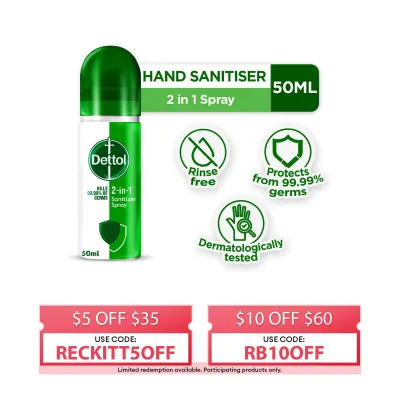
Prices are valid at publication and may change. Please refer to the product page for the latest price.
Early signs of irritation often present as mild redness, dry patches, or small bumps, which can quickly escalate to contact dermatitis if the product is used repeatedly. Contact dermatitis can cause significant discomfort, leading to itchiness, fussiness, and sleep disruptions for your baby. Because babies frequently rub their eyes and face, any irritating residue on their hands can easily be transferred to even more sensitive areas, compounding the irritation.
Before applying any spray, always inspect the packaging for specific age recommendations and skin-type warnings. Many products are not formulated for newborns or infants under a certain age, as their skin barriers are still developing. If a label does not explicitly state that the product is safe for infant skin, it is advisable to avoid direct application entirely. Some manufacturers will specify that their products are only suitable for children over six months or even two years of age.
If you notice your baby scratching their hands, or if you observe persistent redness, peeling, or swelling after using a spray, stop using the product immediately. Wash the area thoroughly with plain, cool water to remove any remaining residue. Avoid applying any other lotions or creams over the irritated area unless advised by a professional, as this can sometimes trap the irritating chemicals against the skin. Consult your pediatrician if the irritation does not subside within a day or if your baby shows signs of discomfort or pain.
Evaluating Residue and Ingestion Risks on Toys
Toys are primary vehicles for infant exploration, which almost always involves mouthing and chewing. When you spray a toy with a sanitizer, the liquid must dry completely before the toy is handed back to your baby. Wet sanitizer can easily transfer directly to your baby’s tongue and gums, leading to accidental ingestion of active chemical agents. Even small amounts of wet sanitizer can irritate the sensitive mucous membranes in your baby’s mouth.

To minimize this risk, carefully read the product label to see if it is rated as safe for food-contact surfaces or mouthable items. Even if a spray is marketed as “natural” or “baby-safe,” it may still leave behind a chemical residue that is not intended for ingestion. Some formulations require a mandatory rinsing step with clean water after the contact time has elapsed. Understanding the difference between a sanitizer that evaporates cleanly and one that leaves a persistent film is crucial for toy safety.
If the manufacturer’s instructions specify a rinsing or wiping protocol, do not skip this step. Use a clean, damp cloth to thoroughly wipe down the toy after the sanitizing spray has sat for the recommended duration. This physical wipe removes both the dead germs and any chemical film left behind, ensuring the toy is truly safe for your baby to mouth. For toys with complex shapes, crevices, or textured surfaces, extra care must be taken to ensure no liquid pools in hard-to-reach areas.
Additionally, consider the material of the toy before applying any spray. Wooden toys, for instance, are highly porous and can absorb the sanitizing liquid deep into the wood fibers, making it difficult to rinse or dry completely. Over time, this absorbed chemical can leach back out when the baby chews on the toy. Plastic and silicone toys are generally less porous, but they still require adequate drying time and potential rinsing to ensure no chemical residue remains on the surface.
Decoding Product Labels to Verify Infant Safety
Navigating the baby care aisle can be overwhelming, but learning to decode product labels is your most practical defense against harmful chemicals. Start by examining the active ingredients list on the back of the bottle. Look for formulations that avoid high concentrations of isopropyl alcohol or ethanol, which can be incredibly drying and irritating to infant skin and airways. While alcohol is an effective sanitizer, its rapid evaporation can strip moisture from delicate skin, and the fumes can be overwhelming for small lungs.
Avoid products that contain synthetic fragrances, artificial colorants, or harsh preservatives like parabens and formaldehyde-releasers. These additives serve no sanitizing purpose and are common triggers for allergic reactions and respiratory irritation. A fragrance-free label is always preferable when choosing items that will be used around sensitive infants. Even “natural” fragrances derived from essential oils can sometimes cause skin sensitization or allergic reactions in young babies.
Check the label for clear age restrictions, hazard warnings, and dilution instructions. Some concentrated sanitizers require precise mixing with water before use, and using them undiluted can cause chemical burns or severe irritation. Ensure the product is explicitly labeled for use on baby items or infant skin, rather than being a general household disinfectant that has simply been repackaged with cute graphics. True baby-safe products will often undergo specific dermatological testing, which should be noted on the packaging.
Furthermore, look for certifications or compliance marks from recognized safety standards, though you should always verify these claims independently. Be skeptical of vague marketing terms like “non-toxic” or “hypoallergenic” without clear ingredient lists to back them up. A reliable manufacturer will provide a full disclosure of all ingredients, allowing you to research any unfamiliar chemicals before allowing them near your baby.
Applying Sanitizer Safely and Recognizing When to Stop
The way you apply a sanitizer spray is just as important as the ingredients it contains. Instead of spraying the liquid directly onto your baby’s hands or toys, spray it onto your own clean hands or a fresh microfiber cloth first. This technique prevents the fine mist from entering the air, reducing the risk of your baby inhaling chemical droplets. Once the liquid is on your hands or cloth, you can gently wipe your baby’s hands or the toy’s surface, ensuring even coverage without the airborne hazard.
Always apply sanitizing sprays in a well-ventilated room, away from your baby’s immediate breathing zone. In typical Singapore apartments, where air conditioning is often running and windows may be closed, chemical vapors can linger in the air. Open a window or step into a larger, open space to apply the spray, allowing the treated items to dry completely before bringing them back near your child. This simple step significantly reduces the concentration of airborne chemicals your baby might breathe in.
Be vigilant in monitoring your baby’s physical reactions during and after application. Stop using the spray immediately if your baby begins coughing, wheezing, or showing signs of respiratory distress. Other clear stop-conditions include skin peeling, persistent redness, or unusual fussiness that suggests discomfort or itching. If your baby shows any of these signs, it is a clear indication that their system is reacting negatively to the product, and continued use could lead to more severe health issues.
It is also important to store these sprays safely out of your baby’s reach. As babies grow, they become increasingly curious and mobile, and a colorful spray bottle can look like an appealing toy. Accidental spraying into the eyes or mouth can cause immediate pain and potential injury. Keep all sanitizing products stored in high cabinets or secured drawers, and never leave a bottle unattended on a changing table or play mat.
Choosing Effective Alternatives for Hands and Toys
While sanitizer sprays offer convenience when you are on the go, they should never completely replace traditional cleaning methods. For visibly dirty hands, or immediately after a diaper change, plain soap and running water remain the primary recommendation. Soap physically lifts dirt, oils, and pathogens from the skin and washes them down the drain, which is far more effective than simply neutralizing them with a spray. This physical removal is especially important for eliminating certain types of germs that are resistant to sanitizers.
For hard and soft toys, washing with warm, soapy water is often the most reliable and thorough cleaning method. Many plastic toys can be washed in the sink with mild dish soap and rinsed thoroughly, while plush toys can often be laundered according to their care labels. These physical washing methods remove saliva, dust, and grime that sanitizing sprays leave behind. Regular washing with soap and water also prevents the buildup of sticky residues that can actually attract more dirt and germs over time.
Physical removal of dirt and germs is always preferable to chemical sanitization when your baby is in their home environment. Reserving sanitizer sprays for situations where clean running water is unavailable—such as during outdoor trips or visits to public spaces—helps minimize your baby’s overall exposure to chemical residues while still keeping them protected. In the comfort of your home, a simple routine of washing toys weekly with warm water and mild soap is usually more than sufficient to maintain a healthy environment.
For items that cannot be easily washed, such as electronic toys or delicate wooden blocks, a damp cloth wiped over the surface can remove a significant amount of surface dirt and germs. Always dry these items thoroughly with a clean towel afterward to prevent moisture from damaging the toy or encouraging mold growth. By prioritizing these physical cleaning methods, you can dramatically reduce the amount of chemical sanitizers used in your home, creating a safer and more natural environment for your baby to grow and explore.
Frequently Asked Questions (FAQ)
Can I use regular household sanitizer spray on baby items?
Regular household sanitizer sprays are generally not safe for baby items, as they often contain much higher concentrations of harsh chemicals, bleach, or strong synthetic fragrances. These formulations are designed for hard, non-porous household surfaces and can leave behind toxic residues that are dangerous if ingested or absorbed through an infant’s skin. Always check the product label for specific infant safety warnings, and if you must use a household disinfectant in an emergency, ensure you rinse the item thoroughly with clean water afterward.
What should I do if my baby licks a toy right after spraying it?
If your baby licks a toy that has just been sprayed and is still wet, immediately wipe their mouth with a clean, damp cloth to remove any remaining liquid. Offer them a small drink of water or milk to help dilute any small amount of residue they may have swallowed. Monitor your baby closely for symptoms such as excessive drooling, coughing, vomiting, or unusual lethargy. If you notice any of these signs, or if you suspect they ingested a significant amount of the spray, contact a healthcare professional or your local emergency medical services immediately.
Community discussion
Share your experience or ask a question. Comments are reviewed before publication.