
Bringing a newborn home is a period of immense joy, but it also introduces a heightened awareness of hygiene and germ protection. In Singapore’s warm, humid climate, parents often look for quick, convenient ways to keep their baby’s environment clean. This search frequently leads to baby sanitizer sprays, which are marketed as gentle alternatives to harsh household disinfectants. However, before spraying any product around your infant, it is vital to understand whether these formulations are truly safe for a newborn’s highly delicate system.
The short answer is that most baby sanitizer sprays are not recommended for direct use on newborns, and even indirect use requires strict precautions. A newborn’s skin and respiratory systems are still developing, making them highly vulnerable to chemical exposure. While some products are labeled as baby-safe, this term is not standardized, and many such sprays are intended only for older infants or specific surfaces rather than direct skin contact.
To protect your baby, you must look beyond marketing claims and learn how to evaluate ingredients, understand manufacturer age limits, and implement safe application practices. Relying on simple, time-tested hygiene methods is often the safest path during the first few weeks of life. This guide breaks down the critical safety checks every parent should perform before introducing any sanitizing spray into a newborn’s care routine.
Products mentioned in this guide
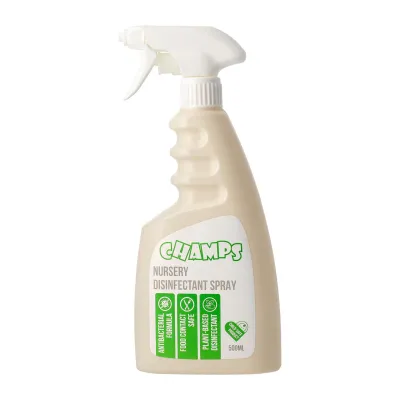
Prices are valid at publication and may change. Please refer to the product page for the latest price.
Core Safety Factors for Newborn Skin and Respiratory Health
A newborn’s physical barriers are vastly different from those of an adult or even a older infant. The stratum corneum, which is the outermost layer of the skin, is significantly thinner and more permeable in newborns. This structural immaturity means that any substance applied to a newborn’s skin is absorbed much more rapidly and deeply into the bloodstream. Consequently, chemical ingredients that might be perfectly safe for an adult can cause systemic toxicity or severe localized irritation in a newborn.
In addition to skin sensitivity, a newborn’s respiratory system is exceptionally delicate. Their airways are narrow, and their lungs are still actively developing. When you use an aerosol or pump spray, fine liquid droplets and volatile organic compounds become airborne. Inhaling these particles can easily irritate a newborn’s sensitive nasal passages and bronchial tubes, potentially leading to coughing, sneezing, or respiratory discomfort. Even pleasant, natural scents can overwhelm their sensory and respiratory systems.
Parents must also distinguish between surface sanitizers and skin-safe formulations. A spray designed to disinfect toys, play mats, or high chairs is formulated to kill pathogens on non-porous surfaces and often contains stronger chemical agents. These surface sprays should never be applied to a baby’s skin. Conversely, skin sanitizers are formulated to be milder, but they still contain active ingredients that may not be suitable for the ultra-sensitive skin of a newborn. Understanding this distinction is the first step in preventing accidental chemical exposure.
How to Read the Label: Ingredients and Manufacturer Specifications
Evaluating a baby sanitizer spray requires a close inspection of the product label. The first element to check is the active ingredient and its concentration. If the spray contains alcohol, such as ethanol or isopropyl alcohol, verify the percentage. While alcohol is an effective disinfectant, high concentrations can strip moisture from a newborn’s skin, leading to painful cracking and a compromised skin barrier. Many pediatric experts advise against using alcohol-based products on newborn skin unless specifically directed by a healthcare professional.

Next, scan the ingredient list for common additives that can trigger allergic reactions or irritation. Added fragrances, synthetic perfumes, and even natural essential oils (such as lavender, tea tree, or eucalyptus) are common culprits for contact dermatitis in infants. Other ingredients to watch out for include parabens, phthalates, and harsh preservatives like phenoxyethanol or benzalkonium chloride. A shorter, simpler ingredient list is generally preferable when selecting products that will be used in your baby’s vicinity.
Finally, look for explicit manufacturer specifications regarding age limits and intended use. A product labeled baby-safe may actually carry a warning in the fine print stating it is only suitable for infants over six months of age. Never assume a product is safe for a newborn (defined as an infant under 28 days old) unless the packaging explicitly states it has been tested and approved for that specific age group. Check whether the label specifies “for hand use only,” “for surfaces only,” or “rinse-free,” as these instructions dictate how the product must be handled.
Safe Application Practices and Environmental Precautions
If you choose to use a manufacturer-approved baby sanitizer spray, proper application is critical to minimizing risks. Never spray any product directly onto a newborn’s body, face, or hands. Newborns frequently place their hands and fingers into their mouths, which can lead to the direct ingestion of sanitizer residues. Instead, if a skin-safe sanitizer is approved for your baby’s age, apply a small amount to your own clean hands first, let it dry slightly, and then gently wipe it onto the baby’s skin if absolutely necessary.
Environmental precautions are equally important when using sanitizing sprays on nearby objects. Always ensure the room is well-ventilated during and immediately after spraying. In Singapore, opening windows or turning on a mechanical fan can help disperse airborne particles and prevent them from lingering in the baby’s breathing zone. Ideally, you should take the object—such as a toy or a stroller handle—into a separate room to spray it, allowing it to dry completely before bringing it back near your newborn.
Allowing treated surfaces to dry thoroughly is a non-negotiable safety step. The sanitizing action of most sprays occurs while the liquid is wet, but the safety window opens only after the product has completely evaporated. Touching a wet, freshly sanitized surface can transfer active chemicals directly to your baby’s skin. Always follow the manufacturer’s specified contact time and drying instructions, and consider wiping down the surface with a clean, water-dampened cloth afterward to remove any lingering chemical residue.
Monitoring for Reactions and When to Seek Professional Help
Even when using a product that claims to be safe for newborns, you must remain vigilant and monitor your baby closely for any adverse reactions. Skin reactions are the most common sign of sensitivity. Look for localized redness, dry or peeling patches, hives, small bumps, or signs that the baby is uncomfortable, such as fussiness when the area is touched. These symptoms can appear immediately or several hours after exposure.
If the manufacturer’s instructions explicitly permit skin application for newborns, you can perform a cautious patch test before widespread use. Apply a single, tiny drop of the sanitizer to a small, non-sensitive area of the baby’s skin, such as the outer upper arm or the thigh. Monitor this spot closely for 24 hours, looking for any signs of redness, swelling, or irritation. If any reaction occurs, wash the area gently with plain water and do not use the product again. Keep in mind that a patch test only checks for localized skin sensitivity and does not eliminate the risk of respiratory irritation or systemic absorption.
You must stop using the sanitizer spray immediately if you observe any adverse skin or respiratory signs. If your baby exhibits respiratory symptoms—such as rapid breathing, wheezing, persistent coughing, nasal flaring, or chest retractions—seek immediate medical attention. For persistent skin rashes, spreading redness, or signs of discomfort that do not resolve after washing the area with water, consult a pediatrician or a qualified healthcare professional in Singapore to ensure proper evaluation and treatment.
Practical Alternatives for Daily Newborn Hygiene
For the vast majority of daily situations, chemical sanitizing sprays are unnecessary and can be replaced with safer, highly effective hygiene practices. The single most important defense against pathogens is thorough handwashing by caregivers and visitors. Before touching your newborn, preparing bottles, or handling baby gear, wash your hands with plain soap and warm water for at least 20 seconds. This simple action physically removes germs without introducing chemical residues into your baby’s environment.
When it comes to cleaning your newborn’s skin, plain water is often all that is required during the first few weeks. For diaper changes or cleaning messy hands, use plain water with a soft cotton cloth, or opt for fragrance-free, alcohol-free baby wipes that are explicitly formulated for newborn skin. These wipes are designed to cleanse gently without the risk of inhalation associated with aerosolized sprays.
For household surfaces and baby items, routine cleaning with mild soap and water is highly effective. Wipe down crib rails, toys, and changing tables with a clean cloth dampened with warm, soapy water, then rinse with a separate damp cloth to remove any soap residue. This physical cleaning method removes dirt and microbes safely, ensuring your newborn’s environment remains clean and free from unnecessary chemical exposures.
Frequently Asked Questions (FAQ)
Can I spray baby sanitizer directly on my newborn's clothes or bedding?
Spraying sanitizer directly onto fabrics that come into close, prolonged contact with your newborn is not recommended. Fabrics can absorb and hold onto chemical residues, which can then transfer to your baby’s sensitive skin or be inhaled as the baby sleeps. Always check the manufacturer’s instructions; most sanitizers are not designed for fabric application. The safest way to clean your newborn’s clothes, bedding, and fabric toys is to wash them in a washing machine using a gentle, fragrance-free laundry detergent formulated specifically for infants, followed by thorough rinsing and drying.
Are alcohol-free baby sanitizer sprays completely risk-free?
No, alcohol-free baby sanitizer sprays are not completely risk-free. While they eliminate the drying and flammability risks associated with alcohol, they must rely on alternative active ingredients to kill germs. These alternatives, such as benzalkonium chloride or various botanical extracts, can still cause skin irritation, allergic contact dermatitis, or respiratory sensitivity in newborns. Additionally, alcohol-free formulas may contain preservatives or fragrances that pose risks to an infant’s developing system. Always read the full ingredient list, verify the manufacturer’s age recommendations, and consult a professional if you are unsure about a product’s safety.

Community discussion
Share your experience or ask a question. Comments are reviewed before publication.