
Quick Answer: Is It Safe for Newborns and Sensitive Skin?
When planning outdoor activities in Singapore’s year-round tropical climate, protecting your little one from intense UV rays and mosquito-borne concerns like dengue is a top priority. However, baby outdoor sprays—which include both insect repellents and spray sunscreens—are generally not recommended for newborns under two months of age. At this early stage, an infant’s skin is highly permeable, making physical barriers like mosquito nets and protective clothing the safest choice.
For older infants, the safety of an outdoor spray depends entirely on its active ingredients, their concentrations, and your child’s individual skin tolerance. Infants with sensitive skin or pre-existing conditions such as eczema require a highly cautious approach, as chemical formulations can easily trigger contact dermatitis or exacerbate skin dryness.
Before introducing any new topical spray to your infant’s routine, it is essential to review the product’s packaging for age-specific directions and consult a pediatrician or pediatric dermatologist. This professional guidance ensures you select a formulation tailored to your child’s developmental stage and skin health.
Products mentioned in this guide
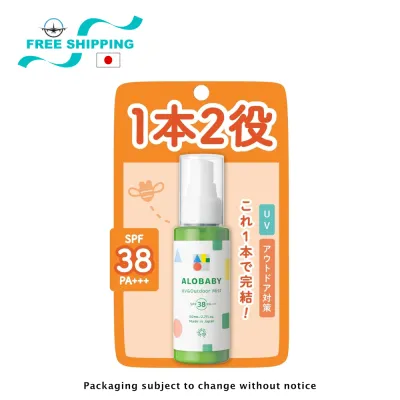
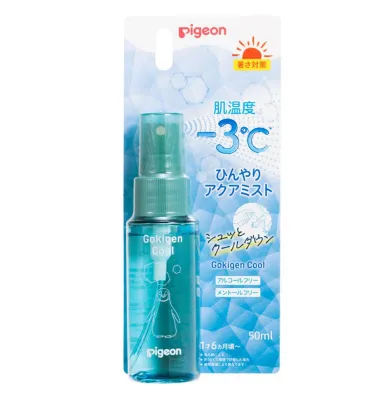
Prices are valid at publication and may change. Please refer to the product page for the latest price.
Decoding Active Ingredients: What Irritates Sensitive Infant Skin?
Understanding what goes onto your baby’s skin requires a close look at product labels. Outdoor sprays generally fall into two categories: insect repellents and sunscreens. Each category relies on distinct active ingredients that interact differently with sensitive infant skin.

Insect Repellent Ingredients
When evaluating bug sprays, parents frequently encounter synthetic active ingredients such as DEET, Picaridin, and IR3535. While health authorities recognize these ingredients as effective, their suitability for infants is strictly governed by age and concentration limits. For example, guidelines typically advise against using DEET on infants under two months old, and formulations for older babies should feature low concentrations as specified by local pediatric guidelines.
High concentrations or frequent reapplication of synthetic repellents can easily irritate a baby’s delicate skin barrier. Even if a product is marketed for family use, you must verify the manufacturer’s stated minimum age limit on the bottle before application.
Many parents turn to plant-based alternatives containing essential oils like citronella, lemongrass, or peppermint, assuming they are inherently safer. However, “natural” does not mean hypoallergenic. Essential oils are highly concentrated plant extracts that are common triggers for allergic contact dermatitis in sensitive infant skin. Furthermore, certain natural ingredients, such as oil of lemon eucalyptus (OLE), carry strict age restrictions and should not be used on children under three years of age.
Sunscreen and Barrier Ingredients
Outdoor sun sprays protect the skin using either chemical or physical UV filters. Chemical sunscreens utilize active ingredients like oxybenzone, avobenzone, and octinoxate, which absorb into the skin to convert UV rays into heat. For sensitive infants, these absorbing chemicals can cause stinging, redness, or localized allergic reactions.
Physical or mineral sunscreens, which utilize zinc oxide or titanium dioxide, sit on top of the skin’s surface to reflect UV rays away like tiny mirrors. Because physical blockers do not penetrate the skin barrier, they are far less likely to cause irritation, making them the preferred choice for babies with sensitive skin or eczema.
When choosing a physical sun spray, look for formulations labeled as fragrance-free, alcohol-free, and dye-free. Synthetic fragrances and alcohol are notorious for drying out infant skin and triggering flare-ups. Always confirm that the spray is specifically formulated for babies rather than adults, as adult formulations often contain higher chemical concentrations and added preservatives.
Age Limits and Skin Barriers: Why Newborns Need Physical Protection
To understand why medical guidelines restrict the use of topical sprays on newborns, it helps to look at the physiology of infant skin. A newborn’s skin barrier is still developing; it is roughly 30 percent thinner than adult skin and has a much higher rate of transepidermal water loss. This thinness makes the skin highly permeable, allowing topical chemicals to absorb directly into the bloodstream much more easily than they would in an adult.
Additionally, infants have a high skin-surface-area-to-body-weight ratio. This means that any chemical applied to their skin is absorbed in a much larger proportion relative to their small body mass. Because a newborn’s liver and kidneys are still maturing, their systems cannot efficiently metabolize, detoxify, or excrete these absorbed active ingredients, increasing the risk of systemic toxicity.
Because of these physiological factors, pediatric guidelines and product manufacturers recommend avoiding chemical outdoor sprays during the first few months of life. Instead, caregivers should rely on physical protection strategies to keep newborns safe from environmental elements.
When taking a newborn outdoors in Singapore, prioritize physical barriers. Dress your baby in loose, lightweight, and breathable long-sleeved clothing made of natural fibers like cotton. Utilize wide-brimmed hats to shade their face and neck, and equip your stroller or pram with a fine-mesh mosquito net and a UV-blocking sunshade. Keeping your baby in shaded areas during peak UV hours—typically between 11:00 AM and 3:00 PM—further minimizes environmental exposure without the need for topical chemicals.
Step-by-Step Guide to Applying Outdoor Sprays Safely
Once your infant has reached the appropriate age for outdoor sprays, proper application is key to preventing accidental inhalation, eye irritation, or localized skin reactions. Following a structured application routine minimizes these risks.
- Perform a Patch Test: Before applying any new spray to your baby's body, test a small, dime-sized amount on a discreet area of skin, such as the inside of their forearm or behind their knee. Monitor the area for 24 hours. If redness, swelling, or tiny bumps develop, discontinue use immediately.
- Never Spray Directly on the Face: Spraying directly onto a baby's face carries a high risk of getting the product into their eyes, nose, or mouth, which can cause severe chemical irritation or accidental ingestion.
- Use the Hand-Transfer Method: To apply spray safely, dispense the product into your own palms first. Rub your hands together, then gently pat and smooth the product onto your infant's exposed skin, carefully avoiding their face and hands.
- Avoid the Hands and Fingers: Babies frequently put their hands and fingers into their mouths and eyes. To prevent them from ingesting the product or rubbing it into their eyes, do not apply any outdoor spray to their hands.
- Keep Away from Broken Skin: Avoid applying sprays over active eczema flare-ups, open scratches, scrapes, or sunburned skin, as the ingredients can sting intensely and penetrate deeper into the compromised skin barrier.
- Apply in Well-Ventilated Areas: Never use aerosol or pump sprays in enclosed spaces like a car or a small room. Apply the spray outdoors or in a highly ventilated area to prevent your infant from inhaling the airborne mist.
- Combine with Physical Barriers: Minimize the amount of product you need to apply by dressing your baby in protective clothing first. Apply the spray only to the remaining exposed areas of skin, such as the ankles, neck, and ears.
Spotting Adverse Reactions and When to Consult a Doctor
Even when you follow all safety precautions, an infant with highly sensitive skin may still experience an adverse reaction to an outdoor spray. Being able to recognize the signs of a reaction allows you to take prompt, appropriate action.
Mild skin reactions typically present as localized redness, small raised bumps, hives, or dry, itchy patches at the site of application. If your baby begins rubbing a specific area or crying shortly after application, they may be experiencing a stinging or burning sensation.
Inhalation sensitivity or systemic reactions can manifest as sudden coughing, sneezing, wheezing, watery eyes, or unusual lethargy. These symptoms suggest that the baby may have inhaled the spray mist or absorbed a chemical systemically.
If you suspect your baby is having a mild skin reaction, take these immediate, low-risk steps:
- Move the baby indoors away from the outdoor elements.
- Wash the treated skin immediately using lukewarm water and a mild, fragrance-free baby soap.
- Gently pat the skin dry with a clean towel; do not rub.
- Change your baby into clean, uncontaminated clothing.
- Monitor the skin closely over the next few hours.
Seek immediate medical attention if your baby exhibits severe symptoms, such as difficulty breathing, persistent coughing, swelling of the face, lips, or tongue, widespread hives, blistering of the skin, or inconsolable crying. When visiting a clinic or emergency department, always bring the product packaging with you so the healthcare provider can review the exact list of active ingredients and preservatives.
Frequently Asked Questions (FAQ)
Can I use natural or essential oil outdoor sprays on sensitive skin?
While natural or essential oil sprays are often marketed as gentle alternatives, they are not inherently safer for sensitive infant skin. Essential oils like citronella, peppermint, and lemongrass contain highly concentrated volatile compounds that frequently trigger contact dermatitis and skin irritation in babies. Additionally, some natural active ingredients, such as oil of lemon eucalyptus, are not recommended for children under three years of age due to safety concerns. Always check the manufacturer’s age guidelines and perform a patch test before using any natural spray.
Should I wash off the outdoor spray after coming indoors?
Yes, you should always wash off outdoor sprays once you return indoors. Leaving insect repellents or sunscreens on your baby’s skin for prolonged periods increases the cumulative absorption of active ingredients and elevates the risk of skin irritation. Bathing your infant with lukewarm water and a gentle, soap-free cleanser removes any residual product, preventing your baby from accidentally transferring the ingredients to their eyes or mouth during indoor play and sleep.

Community discussion
Share your experience or ask a question. Comments are reviewed before publication.