
When shopping for baby bath products in Singapore, parents often look for regulatory seals of approval to ensure their little one’s delicate skin remains safe. If you are considering Babi Mild—a popular brand known for its gentle formulations—you might wonder whether it carries official certification from the Health Sciences Authority (HSA). The short answer is that while cosmetic products like baby washes do not receive a formal “safety certification” or medical approval from the HSA, they must undergo a mandatory notification process before they can be legally sold in Singapore. This means any official Babi Mild product imported and distributed through authorized local channels should be registered in the HSA’s database of notified cosmetic products. Understanding how this regulatory system works, and how to verify a product’s status yourself, is the first step toward protecting your baby’s skin barrier.
How the HSA Regulates Baby Bath Products in Singapore
The Health Sciences Authority regulates cosmetic products, including baby bath washes and shampoos, through a post-market surveillance and pre-market notification system. Unlike prescription medications or medical devices, the HSA does not pre-approve, test, or certify cosmetic products before they hit the shelves. Instead, the responsibility lies with the local importer or manufacturer to notify the HSA before supplying the product to the public.
An HSA notification signifies that the local company has declared the product compliant with Singapore’s cosmetic guidelines, which are aligned with the ASEAN Cosmetic Directive. This directive outlines strict rules regarding ingredient safety, prohibiting the use of banned substances and setting maximum allowable limits for restricted ingredients. The notification process also ensures that the product is manufactured under hygienic conditions and carries accurate, clear labeling with a full ingredient list.
Products mentioned in this guide
![[SG] Babi Mild Bioganik Head and Body Baby Bath](https://img.lazcdn.com/g/p/5dac5f07b6f0f30b7eff88eba68fa8a3.png_400x400q80.png_.webp)
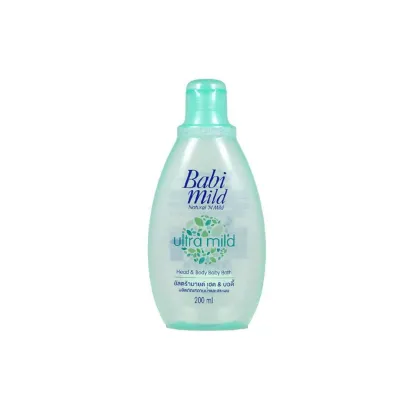
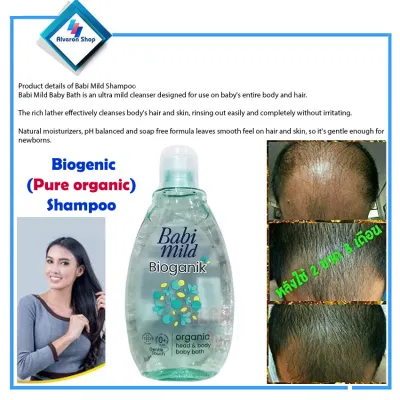
Prices are valid at publication and may change. Please refer to the product page for the latest price.
For parents, a successful HSA notification serves as a baseline assurance that the product meets local legal safety standards. However, it is important to remember that this regulatory listing does not guarantee a product is completely allergy-free for every infant. Because baby skin is significantly thinner and more sensitive than adult skin, individual sensitivities or allergic reactions can still occur even when using a fully compliant, notified product.
How to Check the HSA Status of Babi Mild and Other Brands
To verify whether the specific Babi Mild product you have purchased is registered with the authorities, you can easily perform an independent check using the public registry maintained by the HSA. This is highly recommended if you purchased the product from an online marketplace, a parallel importer, or a small neighborhood shop, as it helps confirm that the item has been officially declared to local regulators.

To start your search, visit the official Health Sciences Authority website and navigate to the “Search Notified Cosmetic Products” database. In the search field, enter the brand name “Babi Mild” or the specific product name as printed on the bottle. The database will display a list of notified products, showing their registered names, the unique notification numbers, and the name of the local company responsible for importing or distributing them.
When reviewing the search results, pay close attention to the exact variant, scent, and packaging details. If you have purchased a new variant or an updated formulation that does not appear in the public registry, it may mean the product was brought into Singapore via parallel import channels without the necessary local notification, or that the registration is still pending. In such cases, it is safest to contact the retailer or the local distributor listed on the packaging to verify the product’s origin and safety compliance before applying it to your baby’s skin.
What to Look for on Baby Bath Labels Beyond HSA Listing
While regulatory compliance is a necessary baseline, reading the ingredient label is the most reliable way to evaluate whether a bath product is suitable for your baby’s unique skin needs. Infant skin has a developing barrier that is highly susceptible to dryness and irritation, making certain common cosmetic ingredients unsuitable for daily use.
Start by checking for harsh surfactants such as Sodium Lauryl Sulfate (SLS) or Sodium Laureth Sulfate (SLES). These foaming agents are highly effective at removing dirt but can strip away the natural lipids protecting your baby’s skin, leading to dryness and irritation. Instead, look for gentle, plant-derived cleansing agents. Additionally, artificial dyes and strong synthetic fragrances are common triggers for contact dermatitis in infants; choosing fragrance-free or extremely mild, hypoallergenic options is generally recommended for newborns and babies with sensitive skin.
Understanding common label claims can also help you make informed choices. A “pH-balanced” label indicates that the product’s acidity matches the natural pH of healthy skin, which is slightly acidic (typically around 5.5). This acidity is vital for maintaining the skin barrier and protecting against harmful bacteria. Claims like “dermatologically tested” or “pediatrician approved” mean the product has undergone some level of clinical evaluation, but because there are no standardized global definitions for these terms, they should not be taken as a guarantee of absolute safety. Always cross-reference these claims with the actual ingredient list.
Spotting Skin Reactions and When to Stop Using a Product
Even when using a fully notified, highly rated baby wash, parents must remain vigilant for signs of skin irritation. A baby’s skin barrier can react unexpectedly to new formulations, environmental changes, or a combination of factors.
During or after a bath, observe your baby’s skin closely. Signs of an adverse reaction or contact dermatitis include localized redness, dry or flaky patches, small raised bumps, hives, or signs of itching, such as your baby scratching or showing unusual fussiness during or after bath time. In more severe cases, the skin may become swollen, warm to the touch, or develop tiny blisters.
If you notice any of these symptoms, the most important step is to discontinue using the product immediately. Thoroughly rinse your baby’s skin with lukewarm, plain water to remove any remaining residue, and pat the skin dry gently with a soft towel without rubbing. For the next few baths, stick to plain water or consult a healthcare professional for advice on a soap-free, ultra-gentle alternative.
While mild redness often resolves on its own once the trigger is removed, certain symptoms require prompt medical attention. You should consult a pediatrician or a dermatologist if the rash covers a large area of the body, if the skin appears broken, oozing, or infected, if your baby develops a fever, or if the skin irritation does not begin to improve after a few days of discontinuing the product.
Frequently Asked Questions (FAQ)
Do all baby bath products sold in Singapore need HSA notification?
Yes, under Singapore law, all cosmetic products—including baby bath washes, shampoos, and lotions—must be notified to the HSA before they can be supplied or sold locally. This requirement applies to products sold in physical retail stores as well as those distributed through online marketplaces. However, products that make therapeutic claims, such as treating eczema or curing skin infections, may be classified as therapeutic products or medical devices, which are subject to a different, more stringent registration and evaluation pathway.
Can I use adult body wash on my baby if it is HSA-registered?
No, you should avoid using adult body washes on infants, even if the products are fully notified and compliant with HSA regulations. An infant’s skin barrier is up to thirty percent thinner than an adult’s, making it far more permeable and prone to moisture loss. Adult formulations are designed for mature skin and often contain stronger surfactants, higher concentrations of preservatives, and intense synthetic fragrances that can easily disrupt a baby’s delicate skin barrier, leading to severe dryness, irritation, or allergic sensitization.
Community discussion
Share your experience or ask a question. Comments are reviewed before publication.