
When you are shopping for your child’s bath time routine in Singapore, safety and regulatory compliance are likely at the top of your priority list. If you are considering Aveeno Kids Body Wash, you might wonder whether it carries an official “HSA certification” and if it is mild enough for daily use on delicate young skin.
To answer directly: Aveeno Kids Body Wash is not “HSA-certified” because Singapore’s Health Sciences Authority (HSA) does not issue safety certifications or pre-market approvals for cosmetic products. Instead, cosmetic items are regulated through a post-market surveillance and notification system. For daily bathing, this body wash is generally formulated to be gentle and safe for most children, but its suitability depends entirely on your child’s specific skin type, potential ingredient sensitivities, and proper bathing habits.
Understanding how cosmetic safety is managed locally and how to evaluate specific product formulations will help you make an informed decision for your family’s daily routine.
Products mentioned in this guide
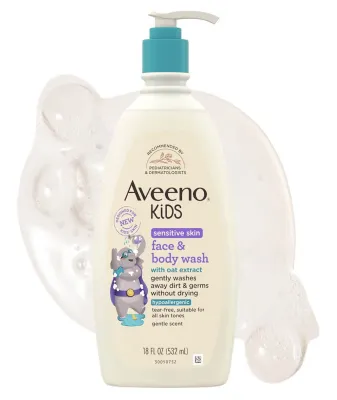
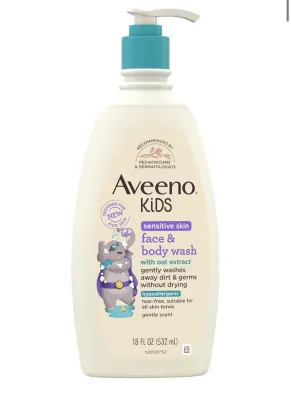
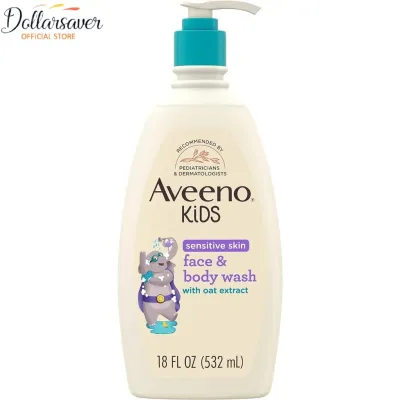
Prices are valid at publication and may change. Please refer to the product page for the latest price.
How HSA Actually Regulates Children's Bathing Products in Singapore
Many parents actively search for the phrase “HSA-approved” or “HSA-certified” when buying baby and children’s toiletries, believing it to be a seal of safety. However, the Health Sciences Authority does not run a pre-market testing or approval registry for cosmetics, which includes children’s body washes, shampoos, and lotions. Under local regulations, cosmetic products do not undergo laboratory testing or safety verification by the government before they hit retail shelves.
Instead, Singapore operates under a post-market surveillance and notification system aligned with the ASEAN Cosmetic Directive. Before any cosmetic product can be legally sold in Singapore, the local importer, manufacturer, or distributor must submit a product notification to the HSA. This notification is a formal declaration of intent to market the product, detailing its ingredients, manufacturing source, and safety compliance. The company itself bears full legal and ethical responsibility for ensuring the product is safe, stable, and free from prohibited substances.
Because of this regulatory structure, any marketing claim or retail listing asserting that a children’s body wash is “HSA-certified” or “HSA-approved” is technically inaccurate and misleading. The HSA maintains a registry of notified products, which serves as a database to track products in circulation and facilitate rapid recalls if safety issues arise post-market. It does not represent an official endorsement of safety or efficacy.
To ensure you are purchasing a legitimate, safely imported product rather than a counterfeit or unnotified parallel import, you should adopt specific buying habits:
- Buy from Authorized Retailers: Purchase your children's toiletries from established local supermarkets, recognized pharmacies such as Guardian or Watsons, or official brand flagship stores on reputable e-commerce platforms.
- Verify Local Importer Details: Legitimate imports intended for the Singapore market typically feature a label with the contact details of the local distributor or importer.
- Check for Proper English Labeling: Local regulations require cosmetic packaging to display clear English instructions, a full list of ingredients using International Nomenclature of Cosmetic Ingredients (INCI) names, batch numbers, and expiration dates.
- Avoid Unverified Online Sellers: Extremely low prices from third-party marketplace sellers often indicate parallel imports that may have bypassed the mandatory HSA notification process or been stored in sub-optimal conditions, such as high-temperature warehouses that degrade product preservatives.
Assessing the Daily Safety of Aveeno Kids Body Wash
Children’s skin is structurally different from adult skin. It is up to 30 percent thinner, loses moisture more rapidly, and possesses a less developed lipid barrier, making it far more vulnerable to environmental irritants and chemical absorption. Therefore, evaluating the daily safety of any kids’ body wash requires a close look at its formulation principles.

High-quality children’s body washes are designed with specific safety features to accommodate this delicate skin barrier. They typically utilize tear-free formulations, which rely on large-molecule surfactants that clean the skin without penetrating or irritating the sensitive ocular membranes. Additionally, they are formulated to be pH-balanced—ideally matching the slightly acidic natural pH of healthy skin (around 5.5)—to support the skin’s acid mantle and protect its natural microbiome.
When evaluating Aveeno Kids Body Wash, you must inspect the ingredient list of the specific variant you intend to buy, such as the sensitive skin or hydrating versions. These formulations generally avoid harsh anionic surfactants like Sodium Lauryl Sulfate (SLS), which are notorious for stripping natural lipids and causing dryness. Instead, they utilize milder amphoteric or non-ionic surfactants, such as Cocamidopropyl Betaine or Decyl Glucoside, which cleanse gently without disrupting the skin barrier.
However, even gentle formulations can contain ingredients that trigger localized reactions in sensitive individuals. Parents should pay close attention to the following components:
- Oat Derivatives: Aveeno products are famous for incorporating oat-based ingredients, such as colloidal oatmeal, oat kernel extract, or oat oil. While oats are widely recognized for their skin-soothing, anti-inflammatory, and moisture-binding properties, children with rare oat allergies or highly sensitized, broken skin barriers can occasionally experience contact sensitivity.
- Fragrances: Some variants in the kids' line contain added fragrances to make bath time more appealing. While these synthetic or natural perfumes are formulated to be mild, fragrance remains one of the leading causes of cosmetic contact dermatitis in children. If your child has highly reactive skin, look specifically for "fragrance-free" versions rather than "unscented" products, which may contain masking agents.
- Preservatives: Modern kids' body washes generally exclude parabens, phthalates, and formaldehyde-releasing preservatives due to safety concerns. However, alternative preservatives are necessary to prevent bacterial and fungal growth in a damp bathroom environment. Ensure your child does not have a known allergy to common alternative preservative systems used in the specific bottle.
It is also important to understand that marketing terms like “hypoallergenic” or “dermatologist-tested” are not standardized legal definitions. While they indicate that the manufacturer has conducted patch testing on human volunteers to minimize the risk of allergic reactions, they do not provide an absolute, zero-risk guarantee for every individual child.
Safe Introduction: Patch Testing and Bathing Routines
Whenever you introduce a new personal care product to your child’s routine, taking a cautious, systematic approach can prevent widespread skin irritation or allergic flare-ups. This is especially true for children who have a history of dry skin, mild eczema, or environmental allergies.
Before using any new body wash over your child’s entire body, perform a simple, low-risk patch test at home using these steps:
- Dilute the Product: Mix a tiny, pea-sized drop of the body wash with a few drops of warm water in your hand.
- Apply to a Test Patch: Gently apply the diluted mixture to a small, clean area of your child's skin where they cannot easily rub or lick it off. The inner forearm or the skin just behind the ear are ideal locations.
- Rinse After a Moment: Because body wash is a wash-off product, leave it on the test patch for approximately one to two minutes, then rinse it off thoroughly with lukewarm water and pat dry.
- Observe the Area: Monitor the test site over the next 24 to 48 hours. Look closely for any signs of localized redness, small bumps, swelling, or signs that your child is scratching the area.
If the patch test shows no reaction, you can safely proceed to full-body use. However, maintaining proper bathing techniques is just as vital as choosing the right product for preserving your child’s skin health.
Avoid using excessive amounts of body wash. A small, coin-sized amount is generally sufficient to cleanse a young child. Focus your cleansing efforts on areas that actually accumulate sweat, dirt, and sebum, such as the skin folds, underarms, hands, feet, and the diaper area. The rest of the body can often be cleaned sufficiently with the water running off during the rinse.
Ensure you rinse the skin thoroughly with clean water at the end of the bath. Any soap residue left lingering on the skin can dry out the epidermis and cause itching, regardless of how gentle the formulation claims to be.
Finally, control the environmental factors of the bath. Limit bath time to between 5 and 10 minutes, and ensure the water is lukewarm rather than hot. Hot water and prolonged soaking strip the skin’s natural moisture barrier, compounding the risk of dryness. To lock in hydration, gently pat your child’s skin with a soft towel—leaving it slightly damp—and apply a gentle, fragrance-free moisturizer within three minutes of exiting the bath.
Red Flags: When to Stop Use and See a Doctor
Even when using a highly rated, gentle product, individual skin chemistry can vary. You must remain vigilant for any signs that a body wash is not compatible with your child’s skin.
Discontinue use immediately if you observe any of the following adverse reactions:
- Persistent Redness or Flushing: Skin that remains red or pink long after the bath has ended.
- Hives or Welts: Raised, itchy red bumps that appear suddenly on the skin surface.
- Localized Swelling: Puffiness, especially around the areas where the product was directly applied.
- Excessive Dryness or Flaking: Skin that feels rough, sand-paper-like, or begins to peel and flake.
- Behavioral Cues: Your child scratching their skin, showing discomfort during the bath, or crying when the soap is applied.
If any of these signs occur, immediately wash the area thoroughly with plain, cool water to remove all product traces, and avoid applying any other scented lotions or active creams.
For mild reactions, keeping the skin clean and moisturized with a plain, bland emollient will often allow the skin to heal on its own within a few days. However, you should consult a paediatrician or a qualified dermatologist if the skin reaction is severe, spreads rapidly across the body, or shows signs of a secondary bacterial infection from scratching, such as oozing, yellow crusting, or localized warmth.
Additionally, if your child has a pre-existing skin condition like moderate-to-severe eczema (atopic dermatitis), you should always consult their doctor before introducing any new over-the-counter bathing products. Eczema-prone skin has a highly compromised barrier that often requires specialized, non-foaming therapeutic cleansers rather than standard commercial kids’ body washes.
Frequently Asked Questions (FAQ)
Can I use adult body wash on my child if I dilute it?
No, you should avoid using diluted adult body wash on your child. Adult formulations are designed for mature, thicker skin and often contain stronger surfactants, complex synthetic fragrances, and robust preservative systems that remain highly concentrated even when diluted with water. Diluting the product does not change its chemical composition or neutralize potential irritants. It is always safest to stick to products specifically formulated, tested, and balanced for the delicate, highly permeable skin barrier of children.
Is it necessary to use body wash for every daily bath?
In Singapore’s hot and humid climate, children frequently sweat, leading many parents to bathe them once or twice a day. However, it is not necessary to use body wash for every single bath. For young children, a daily rinse with plain, lukewarm water is often entirely sufficient to remove sweat and surface dust, especially if they have not been playing in the dirt or swimming. To prevent over-cleansing and drying out the skin, consider using a gentle kids’ body wash only two to three times a week, or limit its use strictly to sweat-prone areas like the underarms, feet, and diaper region during daily baths.
Community discussion
Share your experience or ask a question. Comments are reviewed before publication.