
Quick Answer: Is Aveeno Baby Regulated and Safe for Newborns?
When preparing for a newborn’s arrival in Singapore, choosing the right skincare products can feel overwhelming. Many parents wonder if the popular brand Aveeno Baby is safe for newborns and whether it carries certification from Singapore’s Health Sciences Authority (HSA). To clarify, the HSA does not “certify” or “approve” individual cosmetic products, including baby lotions and washes. Instead, the HSA operates a notification system where importers and manufacturers must notify the authority before placing a product on the market.
While Aveeno Baby products are widely recognized for their gentle formulations, safety for a newborn is not a blanket guarantee for every product under the brand umbrella. Newborn skin is exceptionally delicate, meaning parents must carefully select specific formulations—ideally those labeled fragrance-free, hypoallergenic, and designed specifically for newborns or sensitive skin. Before applying any new product to your baby’s skin, always check the specific product’s label, follow the manufacturer’s instructions, and perform a patch test.
Understanding HSA Safety Standards for Baby Skincare
To make informed decisions, it is essential to understand how baby skincare is regulated locally. In Singapore, cosmetic products—which encompass baby washes, shampoos, creams, and lotions—fall under the regulatory purview of the HSA. Rather than conducting pre-market laboratory testing on every individual cosmetic item to issue a “safety certificate,” the HSA aligns its regulations with the ASEAN Cosmetic Directive (ACD).
Products mentioned in this guide
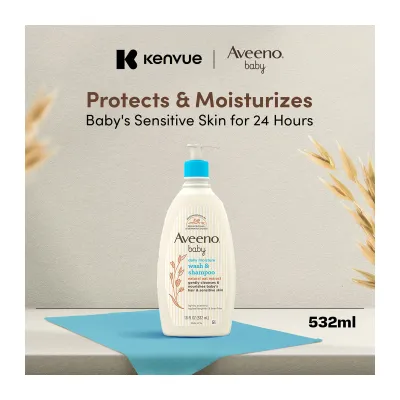
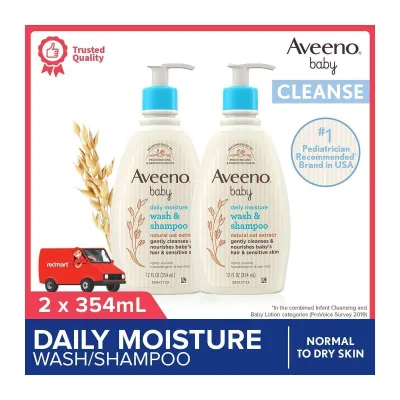
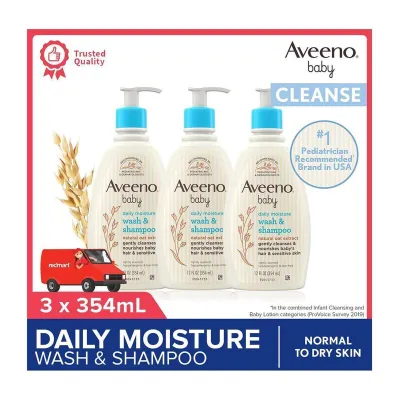
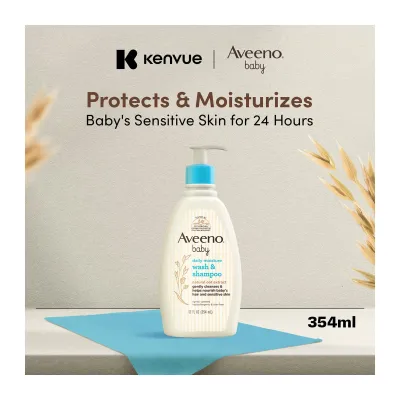
![[Fast Shipping] Aveeno Baby Daily Moisture Gentle Body Wash & Shampoo with Oat Extract 2-in-1 Baby Bath Wash & Hair Shampoo 236ml / 562ml](https://img.lazcdn.com/g/p/e74e782158eb2ca9d60124bb97a2addc.jpg_400x400q80.jpg_.webp)
![[SG l Bundle of 2] Aveeno Baby Daily Moisture Gentle Body Wash & Shampoo 532ml](https://img.lazcdn.com/g/p/704db4f7f16e3716d3f0652bfbf94c2d.jpg_400x400q80.jpg_.webp)
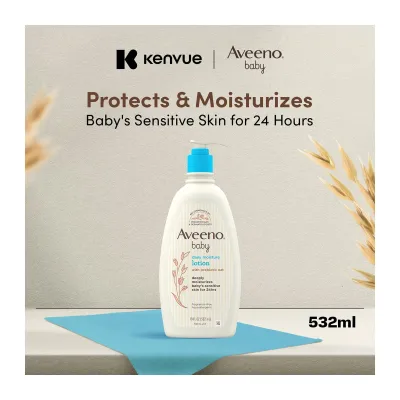
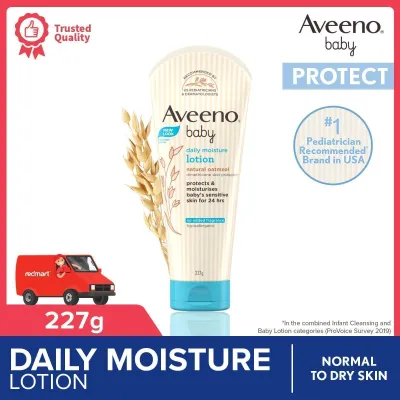
Prices are valid at publication and may change. Please refer to the product page for the latest price.

Under this directive, any company wishing to sell a cosmetic product in Singapore must submit a product notification to the HSA before the item goes on sale. This notification process requires the company to declare that the product complies with all ACD safety standards. These standards include strict prohibitions on harmful ingredients, limits on heavy metals, and a mandate that the manufacturer has conducted a safety assessment. Therefore, when a product is compliant, it means the importer has legally declared its safety and ingredient profile to the HSA, rather than receiving an active endorsement or stamp of approval from the authority.
The HSA enforces safety through a robust post-market surveillance system. This means the authority actively monitors products already available on store shelves. They perform random sample testing, investigate reports of adverse skin reactions from consumers or medical professionals, and mandate immediate product recalls if any unauthorized or harmful substances are detected. This system ensures that non-compliant or contaminated products are swiftly removed from the Singapore market.
For parents, verifying basic compliance markers on the packaging is a practical way to ensure a product has entered the local market legally and safely. When purchasing Aveeno Baby or any other infant skincare product, check the packaging for a full ingredient list using International Nomenclature of Cosmetic Ingredients (INCI) names. Additionally, look for the details of the local importer or distributor in Singapore. A local address and contact information on the label indicate that a registered local entity is accountable to the HSA for the product’s safety and regulatory compliance.
How to Choose the Right Aveeno Baby Line for Newborns
Newborn skin is fundamentally different from adult skin. It is approximately 30% thinner, has a less developed stratum corneum (the outermost layer of the skin), and loses moisture at a much faster rate. This fragile skin barrier makes newborns highly susceptible to dryness, environmental irritants, and the absorption of topically applied chemicals. Consequently, choosing a product simply because it has “baby” on the label is not enough; parents must scrutinize the specific formulation and intended age group.
When evaluating Aveeno Baby products for a newborn, look for critical packaging indicators that signal safety for delicate skin. Prioritize products explicitly labeled as “fragrance-free” and “hypoallergenic.” Synthetic fragrances are among the most common triggers for contact dermatitis and skin sensitization in infants. Other valuable indicators include labels stating the product is “paraben-free,” “phthalate-free,” “dye-free,” and “pediatrician-tested.” Most importantly, look for explicit age recommendations, such as “suitable for newborns” or “from day one,” which indicate the formulation has been assessed for the youngest skin.
The Aveeno Baby brand comprises several distinct product lines, each tailored to different skin needs. Understanding these differences is crucial for newborn care:
- Daily Moisture Line: This is the brand's standard moisturizing range, often formulated with natural colloidal oatmeal and dimethicone to protect the skin barrier. While many products in this line are gentle, some formulations may contain mild fragrances or specific preservatives. Parents must carefully read the label of the exact bottle they intend to purchase to ensure it is fragrance-free and suitable for newborns.
- Soothing Relief and Dermexa Lines: These formulations are specifically engineered for very dry, sensitive, or eczema-prone skin. They typically feature a higher concentration of colloidal oatmeal, ceramides, and rich emollients. Because they are designed to soothe compromised skin barriers, they are almost always fragrance-free and highly gentle, making them strong candidates for newborns prone to dry patches. However, always verify the manufacturer's age guidelines on the packaging.
- Calming Comfort Line: This range is often infused with lavender and vanilla scents, marketed to help soothe babies before bedtime. While these scents may be calming for older babies, artificial or natural fragrances should generally be avoided on newborns during their first few weeks of life, as their skin barrier is too permeable to handle potential sensitizers safely.
Ultimately, remember that “Aveeno Baby” is a broad brand umbrella. Formulations can vary significantly between a hair wash, a bubble bath, and a heavy moisturizing cream. Never assume that because one product in the range suits your baby, all of them will. Always read the individual product label and ingredient list carefully before application.
Ensuring Authenticity: Where to Buy Safely in Singapore
The rise of global e-commerce has made a wide variety of baby products easily accessible, but it has also increased the risk of counterfeit or improperly managed goods entering the market. For a newborn with a highly permeable skin barrier, using a counterfeit or degraded skincare product poses serious health risks. Counterfeit baby washes and lotions may contain unlisted, low-grade, or prohibited chemicals, heavy metals, or bacterial contamination due to unsanitary manufacturing conditions.
To safeguard your baby’s health, purchase Aveeno Baby products only through authorized, reputable channels in Singapore. These include major physical pharmacy chains like Guardian, Watsons, and Unity, as well as established supermarket chains such as NTUC FairPrice and Cold Storage. If shopping online, prioritize the official brand flagship stores on major e-commerce platforms or the direct online portals of authorized local retailers.
Be exceptionally cautious when purchasing from unverified third-party sellers on general online marketplaces or social media shops. While these listings may offer lower prices, they often source products via parallel imports or unauthorized supply chains. Even if the product is genuine, parallel-imported goods may have been stored or transported in hot, humid shipping containers without climate control. Singapore’s tropical heat can easily exceed the safe storage temperatures recommended for baby skincare, causing preservatives to break down, emulsions to separate, and bacteria or mold to grow inside the bottle.
When you receive or purchase a physical product, perform a quick quality and authenticity check:
- Safety Seals: Verify that any plastic seals, foil covers under the cap, or box closures are completely intact and show no signs of tampering.
- Label Printing: Inspect the text on the bottle. High-quality, authentic products have crisp, clear, and perfectly aligned printing. Smudged ink, spelling mistakes, or blurry text are strong indicators of a counterfeit.
- Batch Numbers and Expiry Dates: Authentic products will have a clearly printed or stamped batch code and expiry date. If these are missing, scratched out, or illegible, do not use the product.
- Local Distributor Sticker: Authorized imports in Singapore often feature a sticker detailing the local distributor's name and contact information, confirming that the product has gone through the appropriate HSA notification process.
How to Safely Introduce New Bathing Products to Your Newborn
Introducing a new bathing product or lotion to a newborn should always be done with caution, regardless of how gentle or highly recommended the product is. Because every baby’s skin chemistry is unique, a systematic, low-risk introduction process is the best way to prevent widespread skin irritation.
The most reliable method for introducing a new product is a patch test. Follow these steps to perform a safe patch test on your newborn:
- Select a Test Area: Choose a small, discreet area of healthy skin where the baby cannot easily rub or lick the product away, such as the inner forearm or behind the ear.
- Apply a Small Amount: Dab a tiny, pea-sized amount of the product onto the selected area. If you are testing a baby wash or shampoo, mix it with a little lukewarm water first, apply it, let it sit for a minute, and then gently rinse it off with plain water, mimicking how it would be used during a bath. For lotions or creams, leave the small dab on the skin to absorb.
- Wait and Monitor: Keep the area dry and monitor it closely over the next 24 hours. Observe your baby's behavior and inspect the skin periodically.
- Check for Reactions: Look closely for any localized changes in the skin.
During the monitoring period, watch for clear signs of an adverse reaction. These include localized redness, tiny raised bumps, swelling, dry or scaling patches, hives, or signs of physical discomfort such as the baby scratching the area or becoming unusually fussy.
Establish clear stopping conditions before you begin. If you observe any signs of irritation, redness, or rash during or after the patch test, stop using the product immediately. Gently rinse the affected area with cool or lukewarm plain water to remove any remaining residue. Do not apply other active skincare products, essential oils, or home remedies to the irritated spot, as these can exacerbate the reaction.
You should seek professional medical help if the skin irritation does not improve within 24 to 48 hours, if the rash begins to spread to other areas of the body, or if the skin looks broken, blistered, or shows signs of infection like oozing or pus. Additionally, if your baby displays systemic signs of distress, such as a fever, lethargy, or inconsolable crying, consult a pediatrician immediately.
To support your newborn’s overall skin barrier health in Singapore’s warm climate, combine safe product selection with gentle bathing practices. Limit bath times to 5 to 10 minutes to prevent the skin from drying out. Use lukewarm water, ideally between 37°C and 38°C, and test the temperature with your elbow or a reliable bath thermometer before placing your baby in the water. Avoid daily soaping; for the first few weeks, washing your newborn with plain water is often sufficient for most of the body, reserving a mild, fragrance-free baby wash only for the diaper area, hands, and skin folds where sweat and milk residue accumulate. Gently pat the skin dry with a soft, clean cotton towel rather than rubbing, and apply a gentle, newborn-safe lotion immediately afterward to lock in moisture.
Frequently Asked Questions (FAQ)
Can I use Aveeno Baby Daily Moisture Lotion on a newborn's face?
While many baby lotions are formulated to be gentle, a newborn’s facial skin is exceptionally delicate and thin. You should check the specific packaging of your Aveeno Baby Daily Moisture Lotion to see if the manufacturer explicitly states it is safe for facial use. If the label does not specify, or if your baby has highly sensitive skin, it is safer to use plain water for facial cleaning or consult your pediatrician for a dedicated, fragrance-free facial cream designed for newborns.
Does the HSA test every batch of baby skincare products?
No, the HSA does not test every batch of baby skincare or cosmetic products before they are sold. Under Singapore’s regulatory framework, the responsibility lies with the importer or manufacturer to ensure safety and submit a product notification. The HSA conducts post-market surveillance, which includes targeted sampling, laboratory testing of products already on store shelves, and investigating adverse reaction reports to protect consumers.
What should I do if my newborn develops a rash after using a new body wash?
If a rash develops, immediately stop using the new body wash. Gently rinse your baby’s skin with lukewarm plain water to remove any remaining product residue, and pat dry gently with a clean towel. Avoid applying any other scented lotions or active skincare products to the irritated skin. If the rash does not improve within a couple of days, spreads, looks infected, or causes your baby distress, consult a pediatrician for a proper diagnosis and treatment plan.
Community discussion
Share your experience or ask a question. Comments are reviewed before publication.